Introduction
Felmetatug Biosimilar – Anti-VTCN1 – Research Grade is a novel antibody that has been developed for the treatment of various diseases. This biosimilar is a highly specific and potent inhibitor of VTCN1, a protein that is involved in immune regulation and has been identified as a therapeutic target for several diseases.
Structure of Felmetatug Biosimilar
Felmetatug Biosimilar is a monoclonal antibody that is produced using recombinant DNA technology. It is a humanized antibody, meaning that it is derived from a non-human source but has been genetically engineered to have a structure that is similar to human antibodies. This allows for better compatibility and reduces the risk of immune reactions in patients.
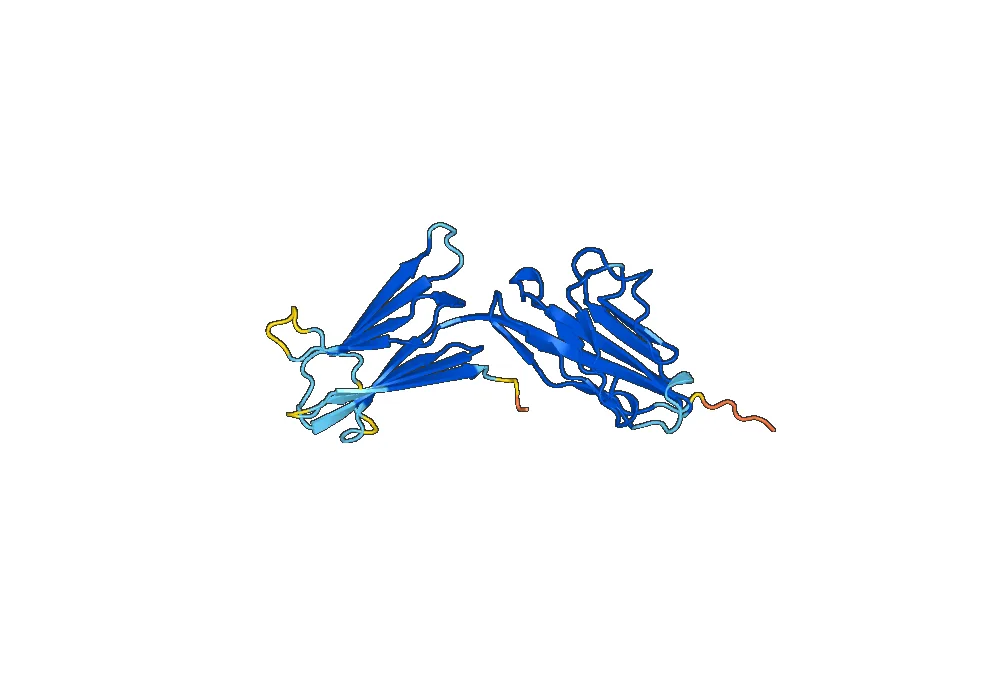
The antibody has a Y-shaped structure, with two identical heavy chains and two identical light chains. These chains are connected by disulfide bonds and are responsible for the binding of the antibody to its target, VTCN1.
Activity of Felmetatug Biosimilar
Felmetatug Biosimilar has a high affinity for VTCN1, meaning that it binds to the protein with great specificity and strength. This binding prevents VTCN1 from interacting with its receptors on immune cells, thereby inhibiting its activity. VTCN1 is known to play a role in suppressing immune responses, and its overexpression has been linked to various diseases such as cancer, autoimmune disorders, and infectious diseases. By inhibiting VTCN1, Felmetatug Biosimilar helps to restore normal immune function and combat these diseases.
In addition to its inhibitory activity, Felmetatug Biosimilar also has an immunomodulatory effect. It can activate various immune cells, such as T cells and natural killer cells, to enhance their anti-tumor and anti-viral activities. This makes it a promising therapy for diseases that involve dysregulated immune responses.
Application of Felmetatug Biosimilar
Felmetatug Biosimilar is currently being studied as a potential treatment for a variety of diseases, including:
Cancer VTCN1 has been found to be overexpressed in many types of cancer, and its inhibition has shown promising results in preclinical studies. Felmetatug Biosimilar is being investigated as a monotherapy and in combination with other cancer treatments to improve outcomes for cancer patients.
Autoimmune disorders
In autoimmune disorders, the immune system mistakenly attacks healthy cells and tissues. By inhibiting VTCN1, Felmetatug Biosimilar can help regulate the immune response and reduce inflammation in these diseases. It is being studied for the treatment of diseases such as rheumatoid arthritis, multiple sclerosis, and lupus.
Infectious diseases
VTCN1 has been shown to play a role in the immune response to viral and bacterial infections. By inhibiting VTCN1, Felmetatug Biosimilar can enhance the immune response and help fight these infections. It is being investigated as a potential treatment for diseases such as HIV, hepatitis B, and tuberculosis.
Transplant rejection
VTCN1 is involved in the immune response to transplanted organs, and its inhibition has been shown to improve transplant outcomes. Felmetatug Biosimilar is being studied as a potential therapy to prevent transplant rejection and improve the success of organ transplants.
Conclusion
In summary, Felmetatug Biosimilar – Anti-VTCN1 – Research Grade is a novel antibody that has been developed as a potential treatment for various diseases. Its high specificity and potency make it a promising therapy for conditions involving dysregulated immune responses. Further research and clinical trials are needed to fully understand its potential and determine its effectiveness in treating these diseases.
There are no reviews yet.