Feladilimab Biosimilar: A Revolutionary Anti-ICOS mAb for Therapeutic Targeting
Feladilimab Biosimilar is a novel monoclonal antibody (mAb) that specifically targets the inducible T cell co-stimulator (ICOS) protein. This biosimilar is a highly promising therapeutic agent for the treatment of various inflammatory and autoimmune diseases. In this article, we will delve into the structure, activity, and potential applications of Feladilimab Biosimilar.
The Structure of Feladilimab Biosimilar
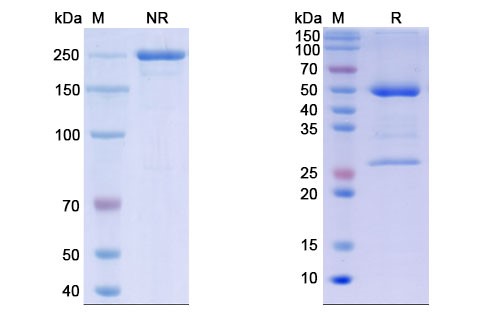
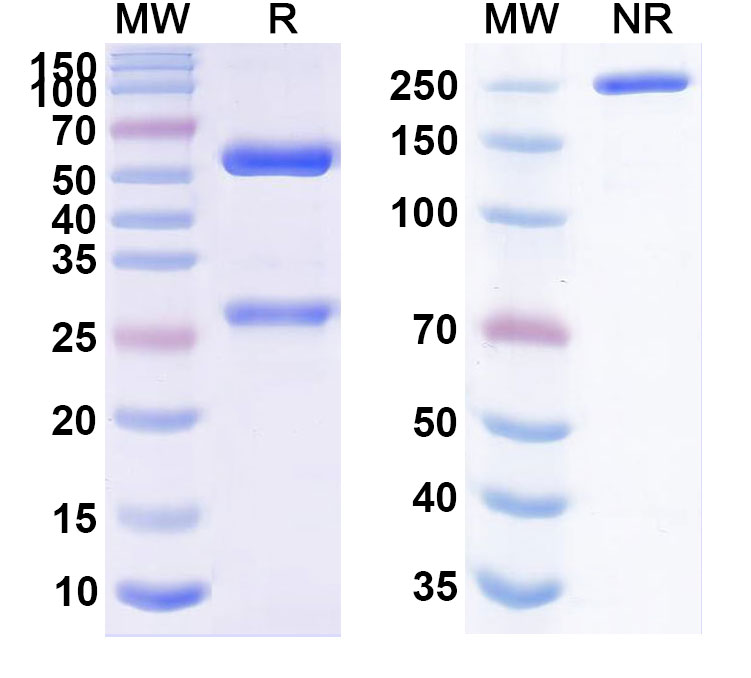
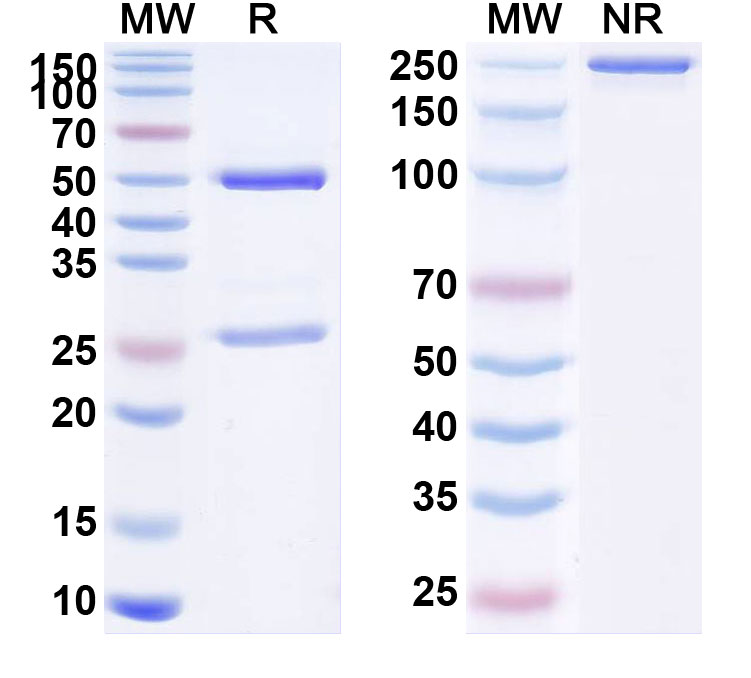
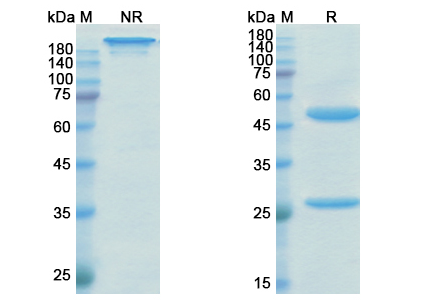
Feladilimab Biosimilar is a recombinant humanized IgG1 monoclonal antibody that is produced using advanced biotechnological techniques. It is composed of two heavy chains and two light chains, each with a molecular weight of approximately 150 kDa. The heavy chains consist of four constant regions (CH1, CH2, CH3, and CH4) and one variable region (VH), while the light chains consist of two constant regions (CL) and one variable region (VL).
The unique feature of Feladilimab Biosimilar is its high specificity for the ICOS protein. This specificity is achieved through the use of a humanized antibody that is engineered to have a high affinity for the ICOS protein. This allows for precise targeting of the ICOS protein, minimizing the risk of off-target effects.
The Activity of Feladilimab Biosimilar
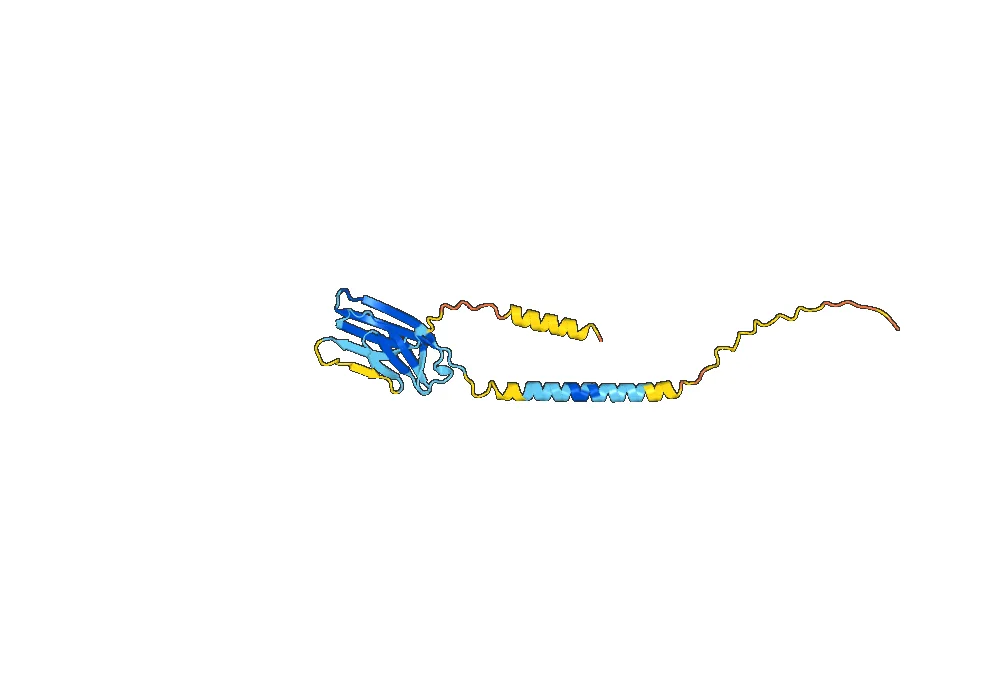
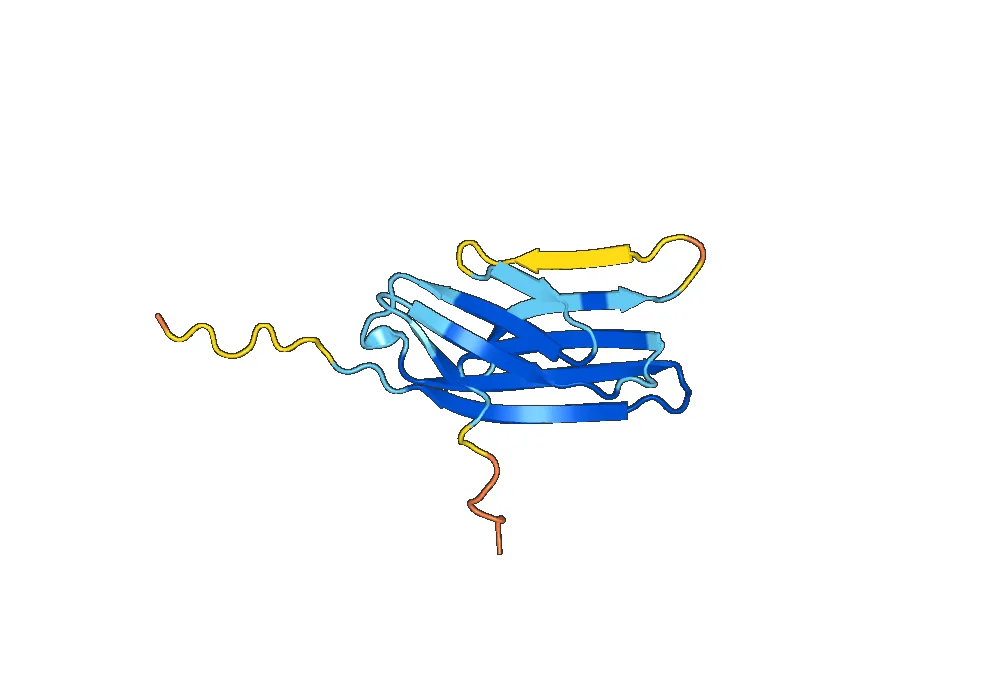
The primary activity of Feladilimab Biosimilar is its ability to bind to the ICOS protein. ICOS is a co-stimulatory molecule that is expressed on the surface of activated T cells. It plays a crucial role in regulating T cell activation and differentiation, making it an attractive therapeutic target for inflammatory and autoimmune diseases.
By binding to the ICOS protein, Feladilimab Biosimilar blocks its interaction with its ligand, ICOSL. This disrupts the co-stimulatory signal that is required for T cell activation and proliferation. As a result, the immune response is dampened, leading to a reduction in inflammation and tissue damage.
Feladilimab Biosimilar also has the potential to modulate the function of regulatory T cells (Tregs). Tregs are a subset of T cells that play a crucial role in maintaining immune tolerance and preventing autoimmune diseases. By targeting the ICOS protein, Feladilimab Biosimilar may enhance the suppressive function of Tregs, further dampening the immune response.
Potential Applications of Feladilimab Biosimilar
Feladilimab Biosimilar has shown great promise in preclinical studies for the treatment of various inflammatory and autoimmune diseases, including rheumatoid arthritis, psoriasis, and multiple sclerosis. Its high specificity and potent activity make it a promising therapeutic agent for these conditions.
In addition to its potential as a standalone therapy, Feladilimab Biosimilar also has the potential to be used in combination with other immunomodulatory agents. For example, it may be used in combination with checkpoint inhibitors to enhance their efficacy in cancer treatment. By targeting the ICOS protein, Feladilimab Biosimilar may also overcome resistance to checkpoint inhibitors, making it a valuable addition to cancer treatment regimens.
Conclusion
In summary, Feladilimab Biosimilar is a highly promising anti-ICOS monoclonal antibody with a unique structure and potent activity. Its potential applications in the treatment of various inflammatory and autoimmune diseases make it an exciting prospect for the future of immunotherapy. Further clinical studies are needed to fully explore the therapeutic potential of this revolutionary biosimilar.
Keywords: Feladilimab Biosimilar, anti-ICOS mAb, therapeutic target, inflammatory diseases, autoimmune diseases, immunotherapy



There are no reviews yet.