Introduction
Enristomig Biosimilar is a research-grade monoclonal antibody that targets the tumor necrosis factor receptor superfamily member 9 (TNFRSF9) and CD274, also known as programmed death-ligand 1 (PD-L1). This biosimilar is designed to mimic the activity of the original antibody, with the potential to be used as a therapeutic agent in the treatment of various diseases. In this article, we will discuss the structure, activity, and potential applications of Enristomig Biosimilar.
Structure of Enristomig Biosimilar
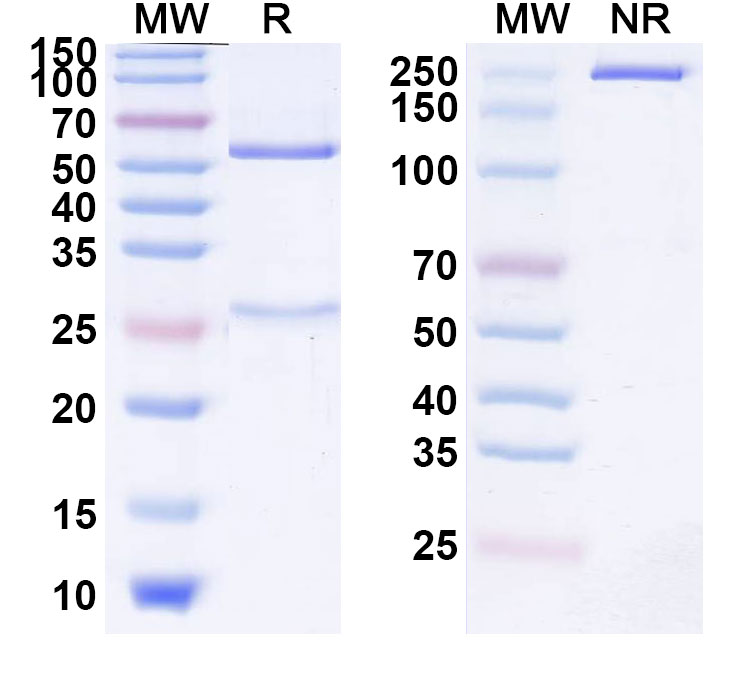
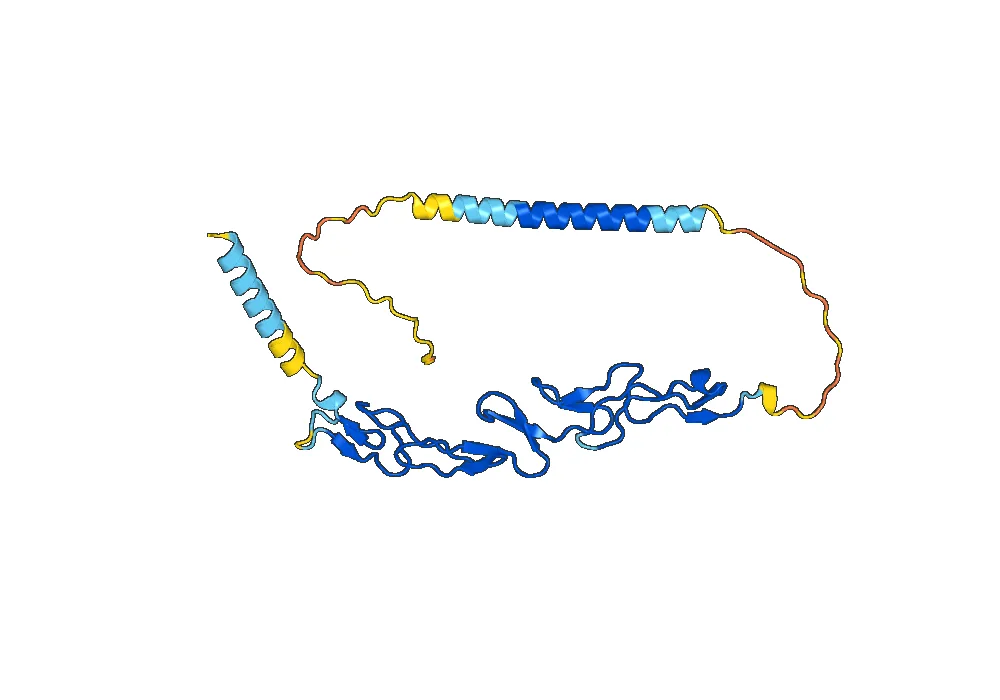
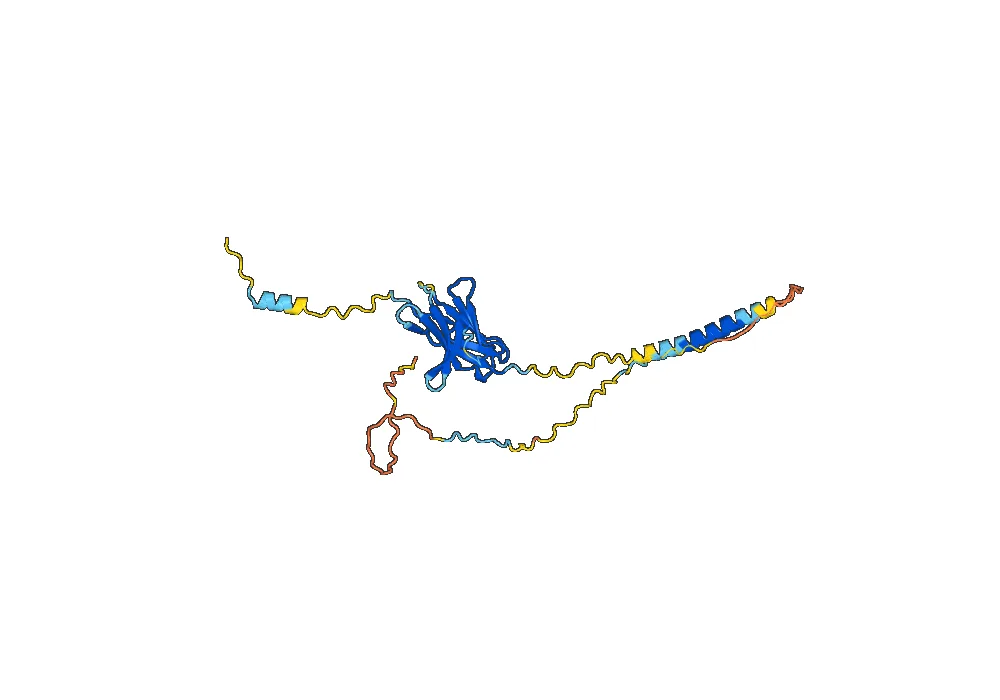
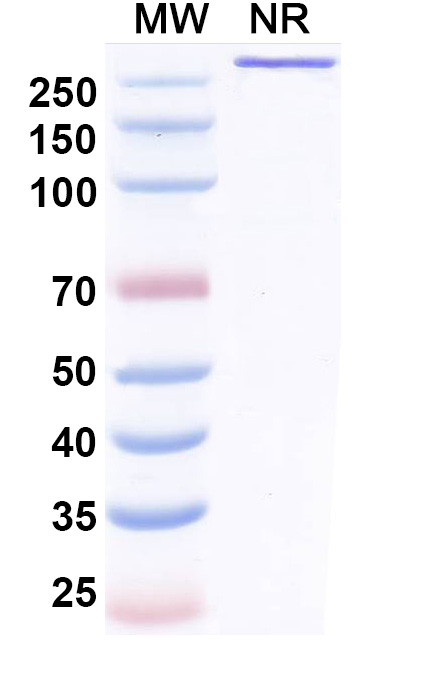
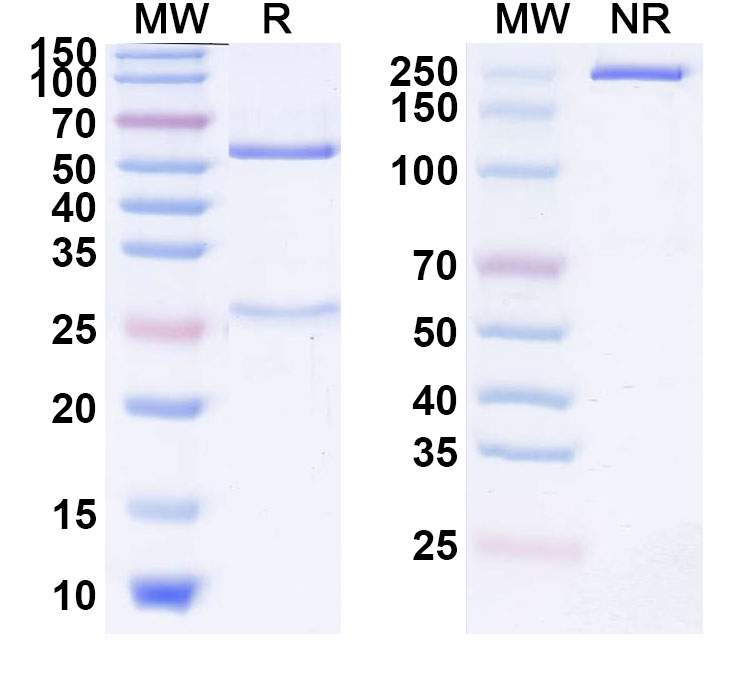
Enristomig Biosimilar is a monoclonal antibody, which means it is produced from a single clone of cells and is highly specific in its target binding. The antibody is composed of two heavy chains and two light chains, connected by disulfide bonds. The heavy chains consist of four constant domains (CH1, CH2, CH3, and CH4) and one variable domain (VH), while the light chains contain two constant domains (CL) and one variable domain (VL). The variable domains of both the heavy and light chains are responsible for binding to the target antigens.
Activity of Enristomig Biosimilar
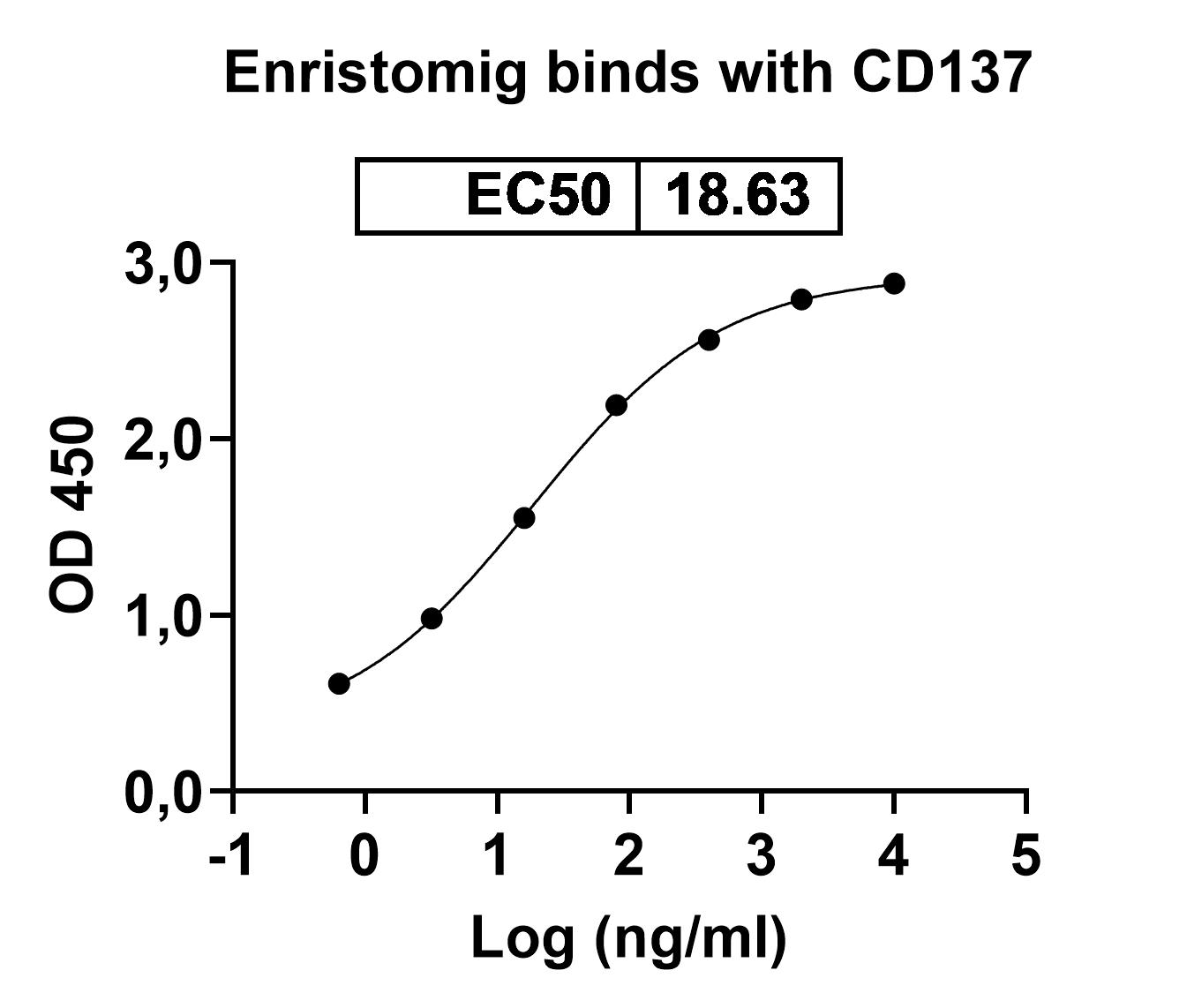
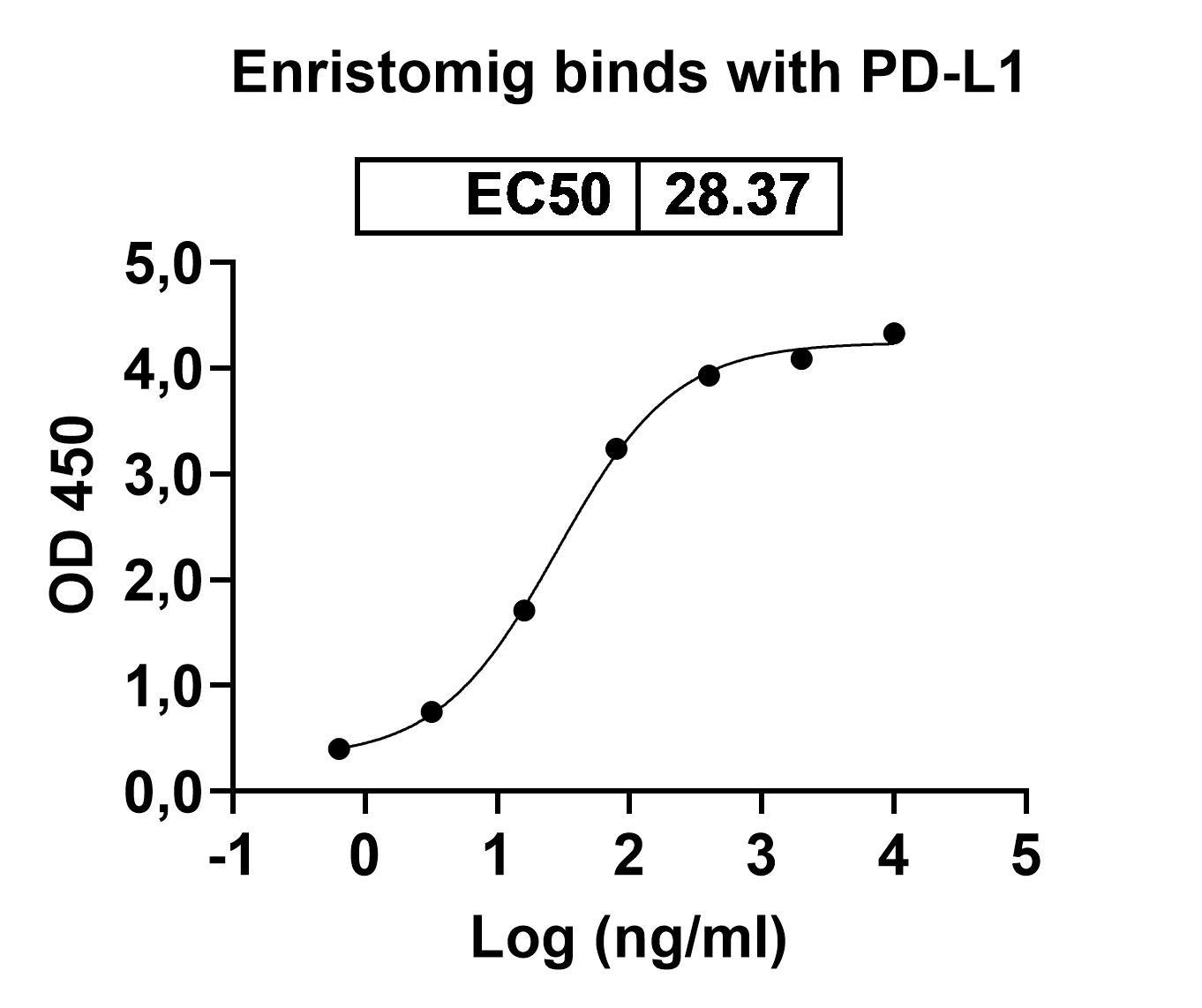
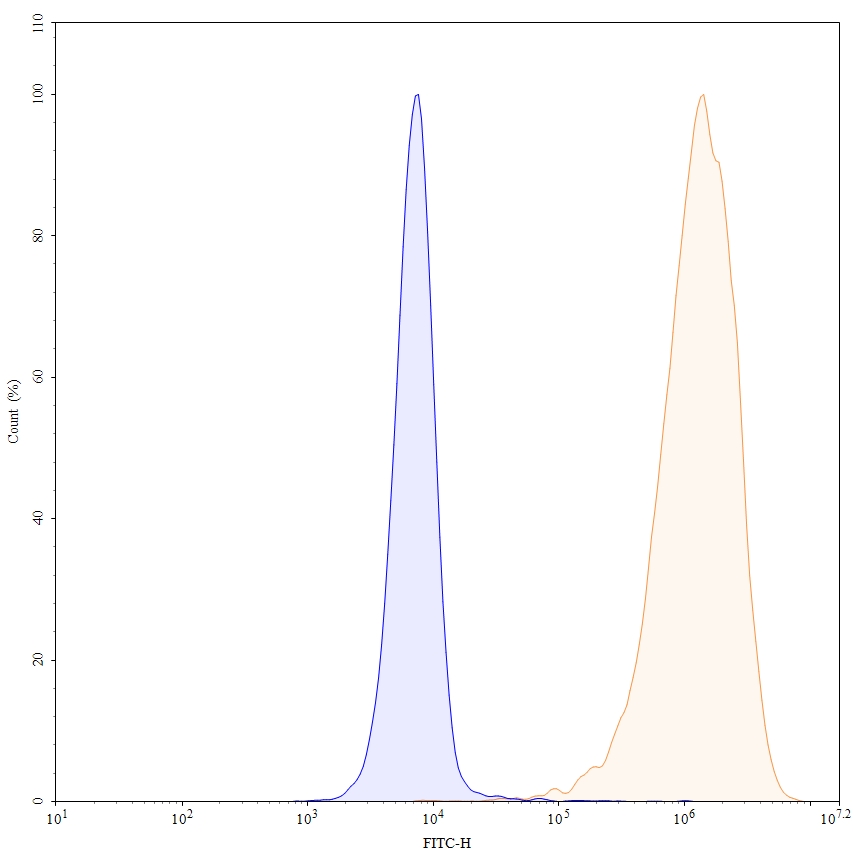
Enristomig Biosimilar targets two important proteins, TNFRSF9 and CD274, which are involved in regulating immune responses. TNFRSF9 is a co-stimulatory receptor found on the surface of T cells, while CD274 is a ligand for the programmed cell death protein 1 (PD-1) receptor found on the surface of immune cells. Binding of Enristomig Biosimilar to these proteins inhibits their interaction, resulting in the activation of T cells and enhancement of immune responses.
Enristomig Biosimilar has been shown to have potent anti-inflammatory activity, as it blocks the interaction between TNFRSF9 and its ligand, resulting in the suppression of pro-inflammatory cytokines. This makes it a promising therapeutic agent for the treatment of autoimmune diseases such as rheumatoid arthritis, psoriasis, and inflammatory bowel disease.
In addition, Enristomig Biosimilar also targets CD274, which is overexpressed in many types of cancer cells. By blocking the interaction between CD274 and PD-1, Enristomig Biosimilar can enhance the activity of immune cells against cancer cells, making it a potential anti- cancer therapy.
Applications of Enristomig Biosimilar
Enristomig Biosimilar has the potential to be used as a therapeutic agent in a variety of diseases, including autoimmune diseases and cancer. In autoimmune diseases, Enristomig Biosimilar can be used to suppress the overactive immune response and reduce inflammation. This can provide relief for patients suffering from conditions such as rheumatoid arthritis, psoriasis, and inflammatory bowel disease.
In cancer, Enristomig Biosimilar can be used as an immunotherapy to enhance the activity of immune cells against cancer cells. It has shown promising results in clinical trials for the treatment of various types of cancer, including lung cancer, melanoma, and bladder cancer.
Enristomig Biosimilar can also be used in research settings to study the role of TNFRSF9 and CD274 in various diseases. Its high specificity and potency make it a valuable tool for understanding the mechanisms of immune regulation and developing new therapies.
Conclusion
Enristomig Biosimilar is a research-grade monoclonal antibody that targets TNFRSF9 and CD274, two important proteins involved in immune regulation. Its structure and activity make it a promising therapeutic agent for the treatment of autoimmune diseases and cancer. With its potential applications in both clinical and research settings, Enristomig Biosimilar holds great promise in the field of immunotherapy.

There are no reviews yet.