Introduction to Enibarcimab Biosimilar – Anti-ADM mAb – Research Grade
Enibarcimab Biosimilar, also known as Anti-ADM mAb, is a monoclonal antibody that specifically targets adrenomedullin (ADM), a hormone involved in various physiological processes. This biosimilar is a promising therapeutic option for various diseases and is currently in the research stage. In this article, we will explore the structure, activity, and potential applications of Enibarcimab Biosimilar in detail.
Structure of Enibarcimab Biosimilar
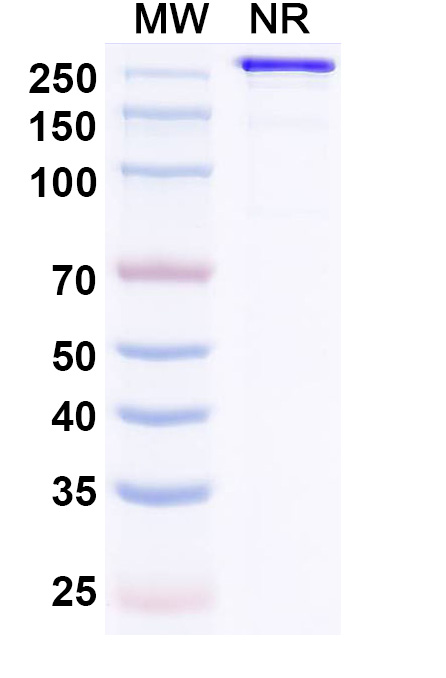
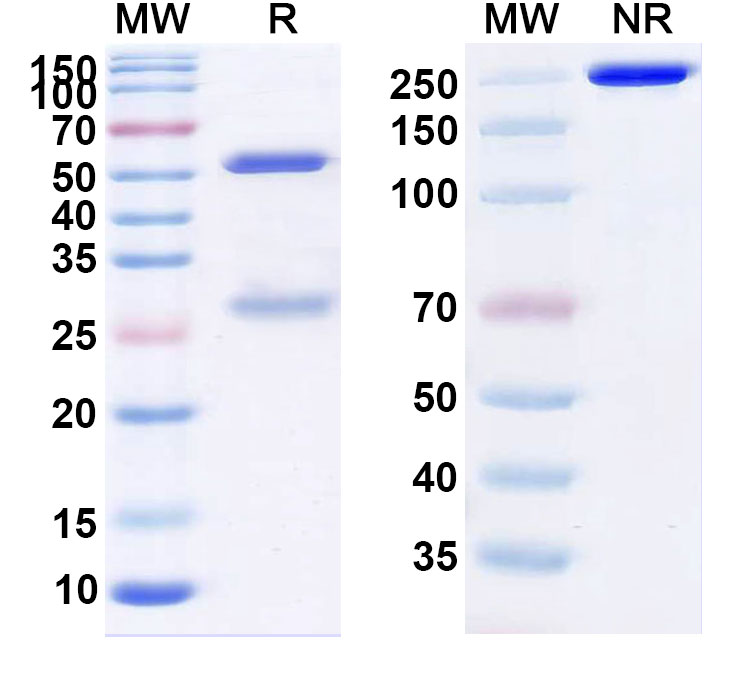
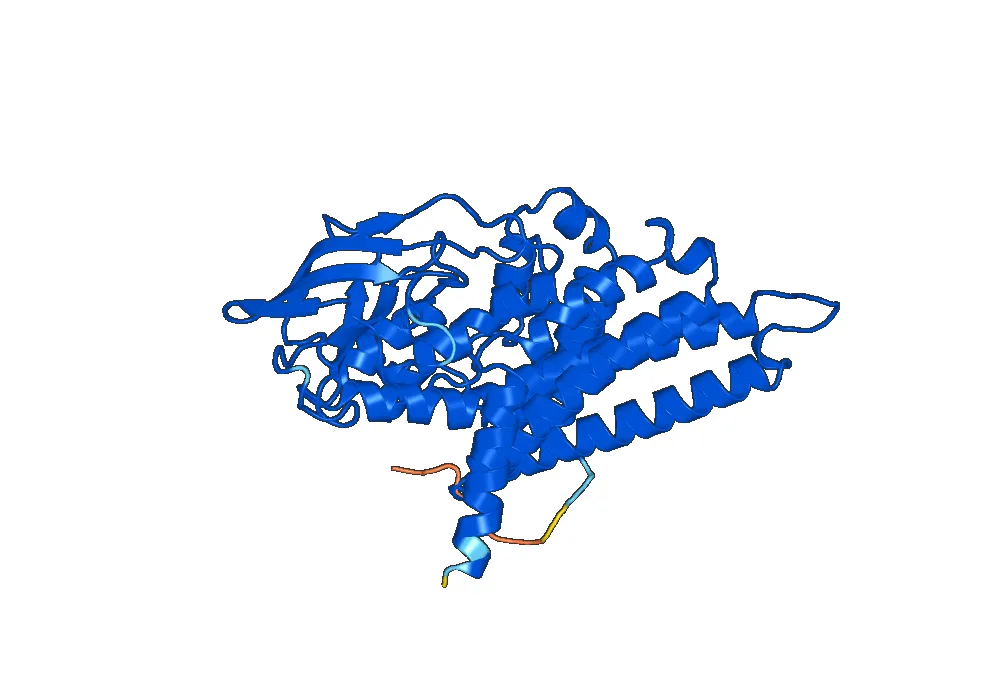
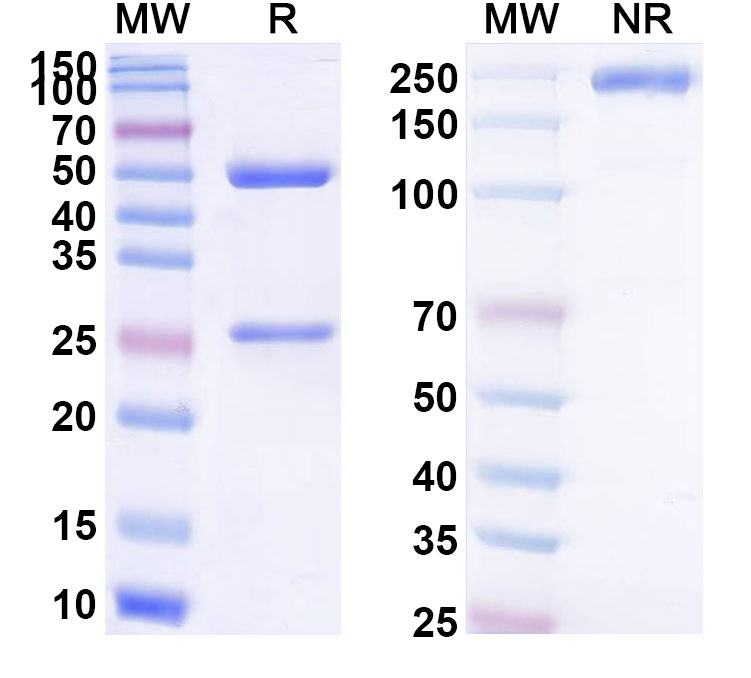
Enibarcimab Biosimilar is a monoclonal antibody, which means it is a laboratory-produced protein that mimics the natural antibodies produced by the immune system. The structure of this biosimilar is similar to that of the original Enibarcimab, with minor differences due to the manufacturing process. It is a Y-shaped protein made up of two identical heavy chains and two identical light chains. The heavy chains are further divided into constant and variable regions, with the variable regions responsible for binding to the target, ADM.
Activity of Enibarcimab Biosimilar
Enibarcimab Biosimilar works by binding to ADM and blocking its activity. ADM is a hormone that plays a crucial role in regulating blood pressure, inflammation, and tissue repair. However, in certain diseases, such as sepsis and acute respiratory distress syndrome (ARDS), excessive levels of ADM can lead to harmful effects. By binding to ADM, Enibarcimab Biosimilar can reduce its levels and prevent its harmful effects, making it a potential therapeutic option for these diseases.
Title: Potential Applications of Enibarcimab Biosimilar
Enibarcimab Biosimilar has shown promising results in preclinical studies for the treatment of sepsis and ARDS. Sepsis is a life-threatening condition caused by an overwhelming immune response to an infection, and ARDS is a severe lung condition that can occur as a result of sepsis or other diseases. By targeting ADM, Enibarcimab Biosimilar has the potential to reduce inflammation and improve outcomes in these conditions.
Apart from sepsis and ARDS, Enibarcimab Biosimilar may also have potential applications in other diseases. For example, ADM has been implicated in the development of certain types of cancer, and Enibarcimab Biosimilar could potentially be used as a targeted therapy in these cases. Additionally, ADM has been linked to cardiovascular diseases, and Enibarcimab Biosimilar may have a role in reducing the risk of these conditions.
Advantages of Enibarcimab Biosimilar
Enibarcimab Biosimilar offers several advantages over the original Enibarcimab. As a biosimilar, it is expected to have a similar safety and efficacy profile as the original drug, but at a lower cost. This makes it a more accessible option for patients who may not be able to afford the original drug. Additionally, the manufacturing process of biosimilars is more streamlined, making them more readily available for patients in need.
Conclusion
In conclusion, Enibarcimab Biosimilar, also known as Anti-ADM mAb, is a promising therapeutic option for various diseases. Its structure, activity, and potential applications make it a valuable addition to the field of targeted therapies. With ongoing research and clinical trials, Enibarcimab Biosimilar has the potential to improve outcomes for patients with sepsis, ARDS, and other diseases associated with high levels of ADM.

There are no reviews yet.