Structure of Reozalimab Biosimilar
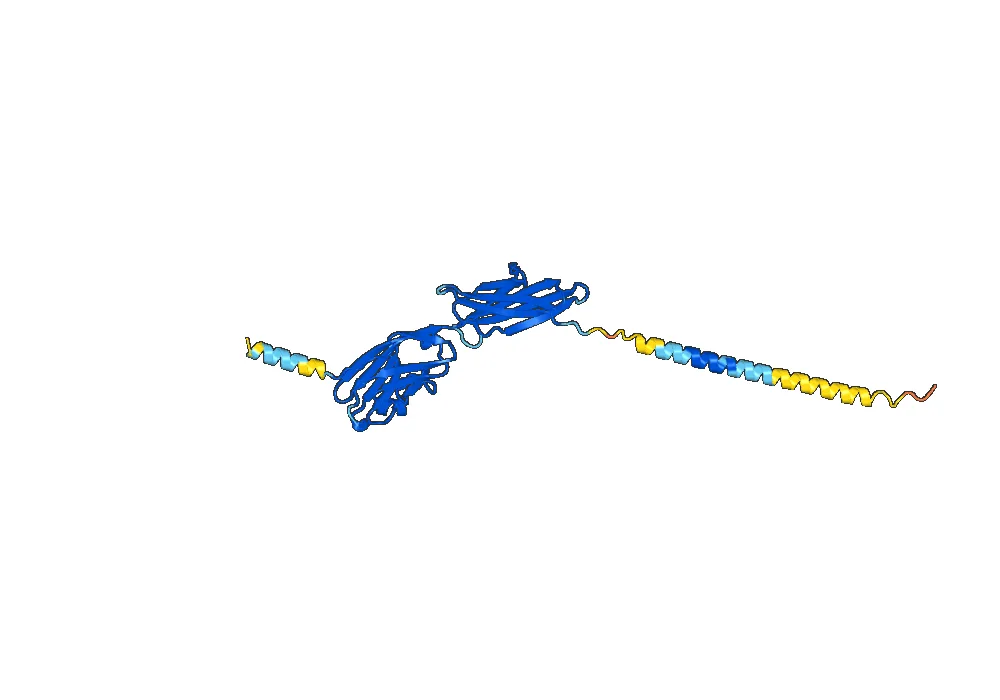
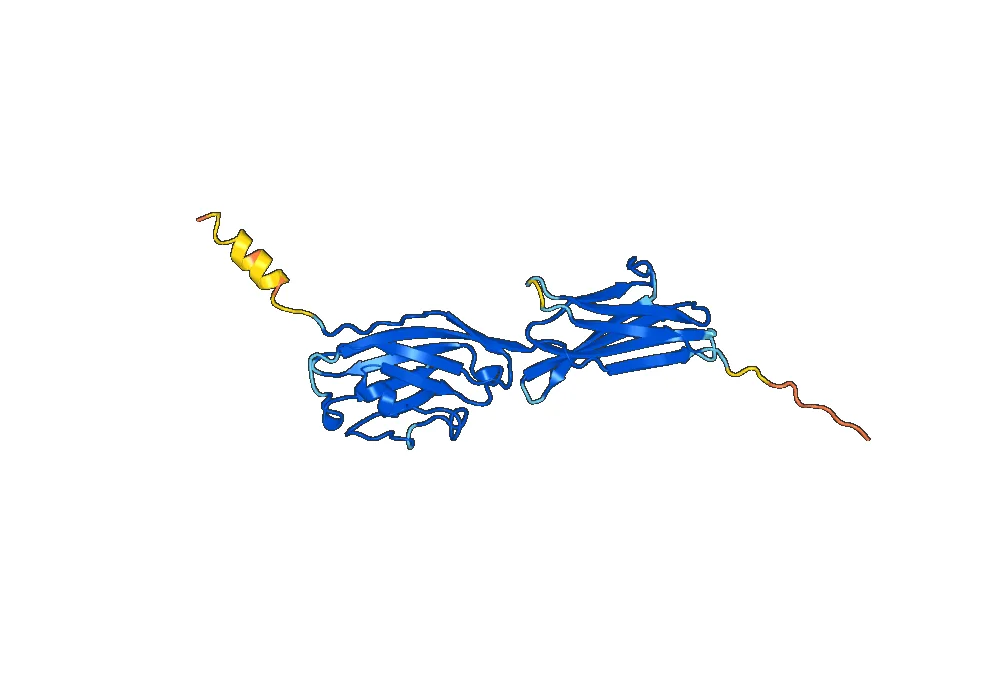
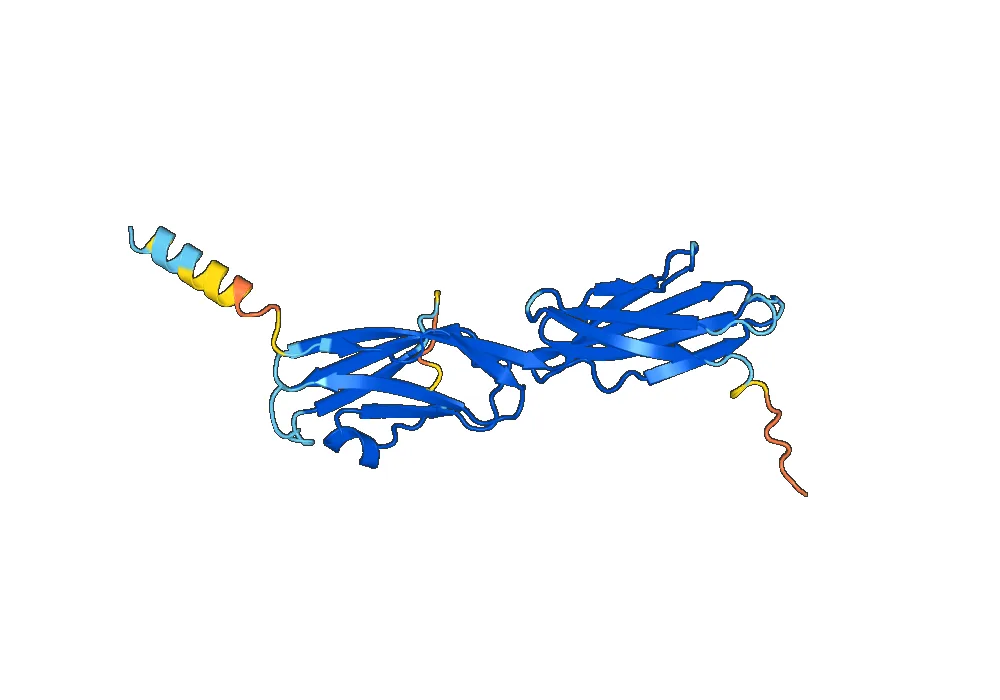
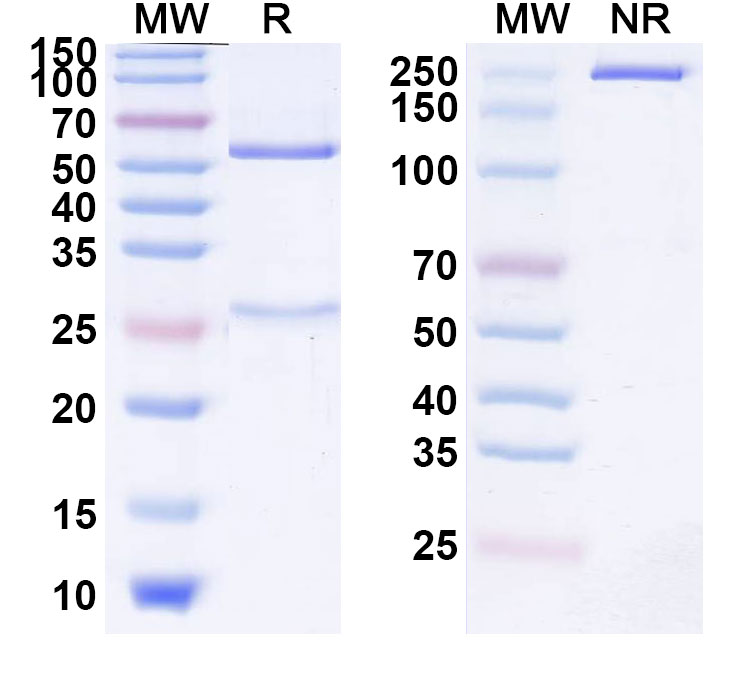
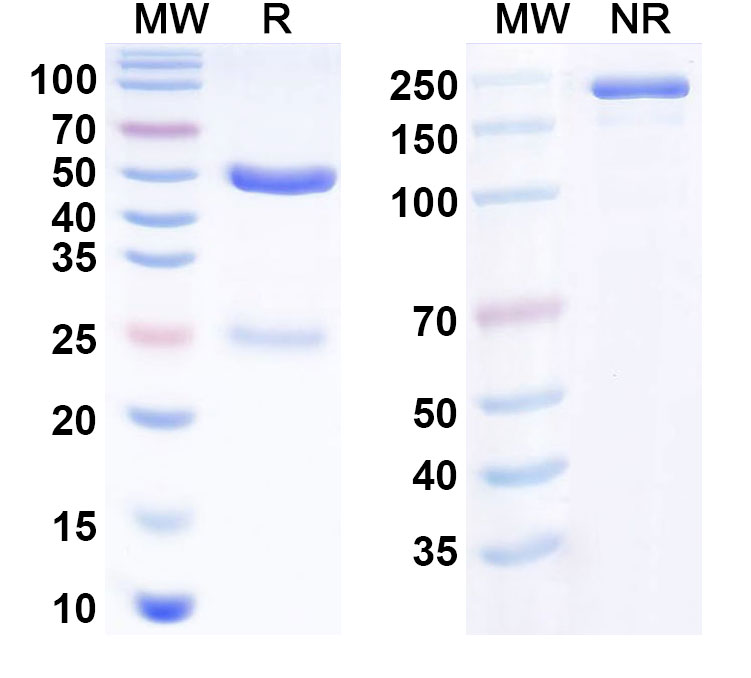
Reozalimab Biosimilar is a monoclonal antibody (mAb) that targets the programmed cell death protein 1 (PD-1) and its ligand, programmed death-ligand 1 (PD-L1). It is a biosimilar version of the anti-PDCD1,CD274 mAb, also known as nivolumab, which has been approved for the treatment of various cancers. Reozalimab Biosimilar is a recombinant human IgG4 antibody with a molecular weight of approximately 149 kDa. It is produced in Chinese hamster ovary (CHO) cells using recombinant DNA technology.
Mechanism of Action
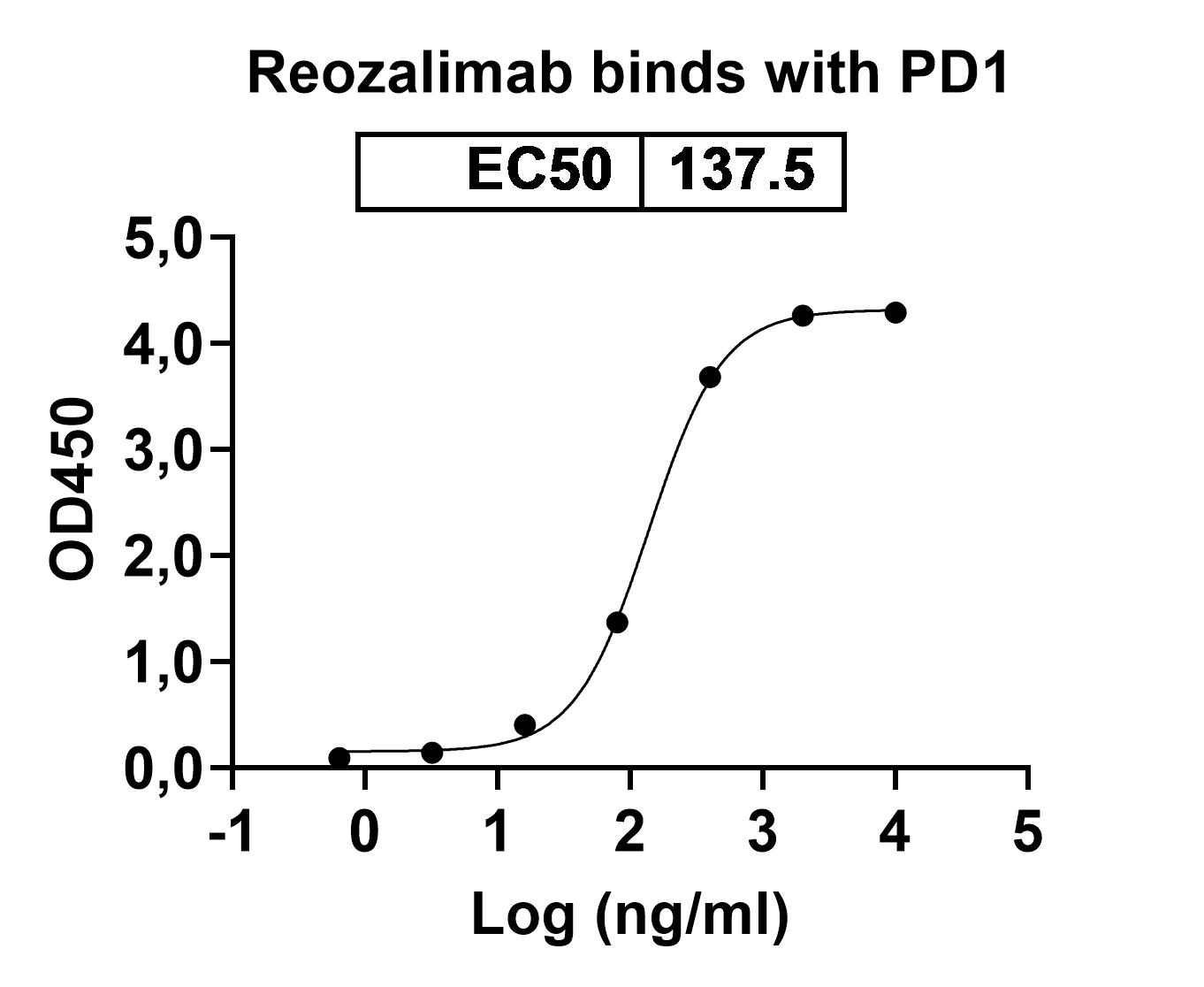
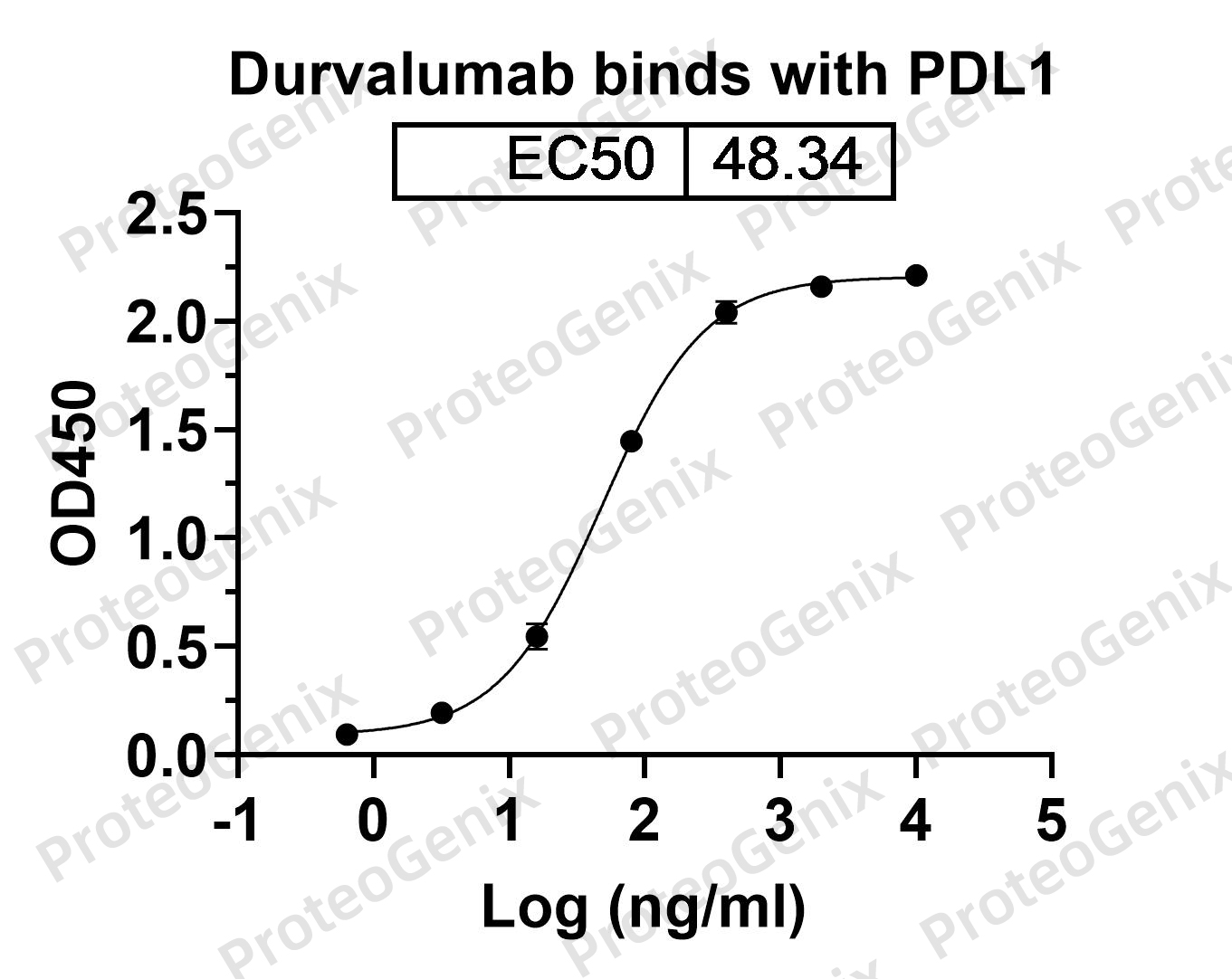
Reozalimab Biosimilar works by binding to PD-1 on the surface of T cells and blocking its interaction with PD-L1, which is expressed on the surface of tumor cells and other immune cells. This interaction between PD-1 and PD-L1 normally suppresses the activity of T cells, preventing them from attacking cancer cells. By blocking this interaction, Reozalimab Biosimilar allows T cells to become activated and attack cancer cells, leading to their destruction.
Therapeutic Applications
Reozalimab Biosimilar has been developed as a potential treatment for various types of cancer, including melanoma, non-small cell lung cancer, renal cell carcinoma, and Hodgkin’s lymphoma. It has also shown promising results in clinical trials for other types of cancer, such as bladder, head and neck, and gastric cancers.
Clinical Studies
Several clinical studies have been conducted to evaluate the safety and efficacy of Reozalimab Biosimilar. In a phase I study, Reozalimab Biosimilar was well-tolerated and showed promising anti-tumor activity in patients with advanced solid tumors. In a phase II study, Reozalimab Biosimilar demonstrated significant clinical activity and an acceptable safety profile in patients with advanced melanoma. These results led to the approval of the biosimilar version of nivolumab in various countries.
Advantages of Reozalimab Biosimilar
Reozalimab Biosimilar offers several advantages over the original anti-PDCD1,CD274 mAb. As a biosimilar, it has a similar structure and function to the original mAb, but it is produced using a different cell line. This allows for increased production and potentially lower costs. Additionally, Reozalimab Biosimilar may have a slightly different binding affinity to PD-1 and PD-L1, which could result in improved efficacy and safety.
Future Applications
Reozalimab Biosimilar has the potential to be used in combination with other cancer treatments, such as chemotherapy and radiation therapy, to enhance their effectiveness. It may also be used in combination with other immunotherapies, such as checkpoint inhibitors targeting other immune checkpoints, to further boost the anti-tumor immune response.
Conclusion
In summary, Reozalimab Biosimilar is a biosimilar version of the anti-PDCD1,CD274 mAb that has shown promising results in clinical trials for the treatment of various types of cancer. Its mechanism of action involves blocking the interaction between PD-1 and PD-L1, allowing for the activation of T cells and destruction of cancer cells. With its potential for lower costs and improved efficacy, Reozalimab Biosimilar has the potential to be a valuable addition to the treatment options for cancer patients.

There are no reviews yet.