Empasiprubart Biosimilar, also known as Anti-Complement C2 mAb, is a groundbreaking therapeutic antibody that has shown immense potential in the treatment of various diseases. This biosimilar is a monoclonal antibody (mAb) that specifically targets the complement C2 protein, a key component of the complement system, which plays a crucial role in the immune response. In this article, we will delve deeper into the structure, activity, and potential applications of Empasiprubart Biosimilar, and explore its role as a therapeutic antibody.
Structure of Empasiprubart Biosimilar:
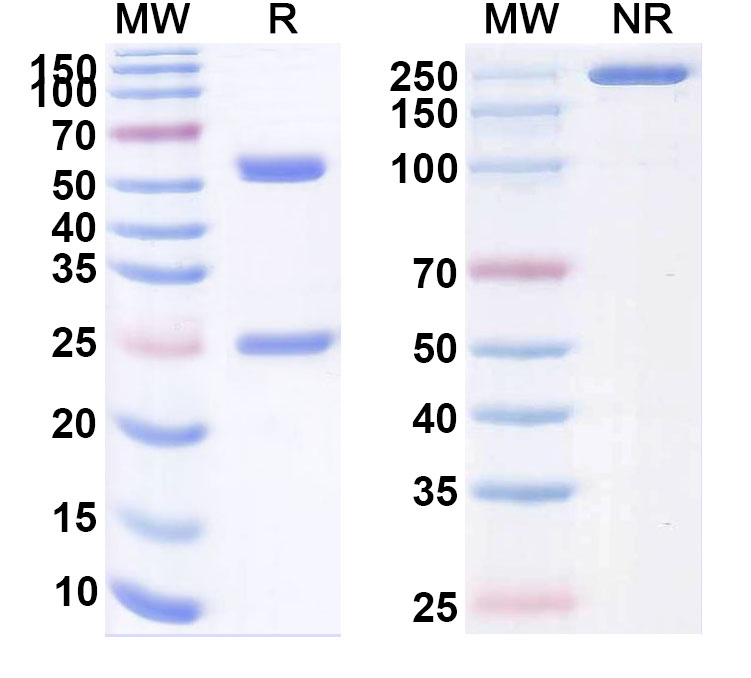
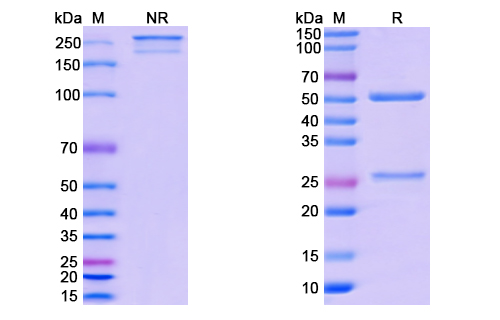
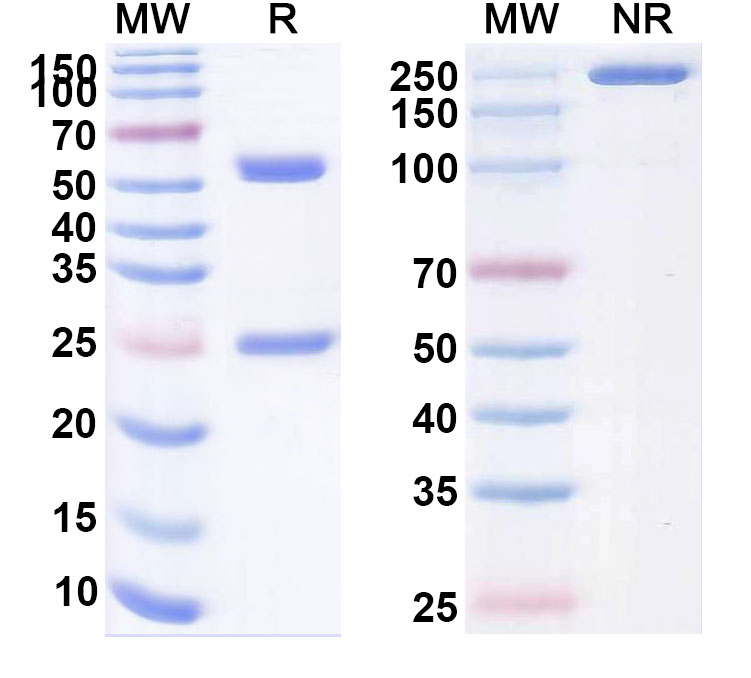
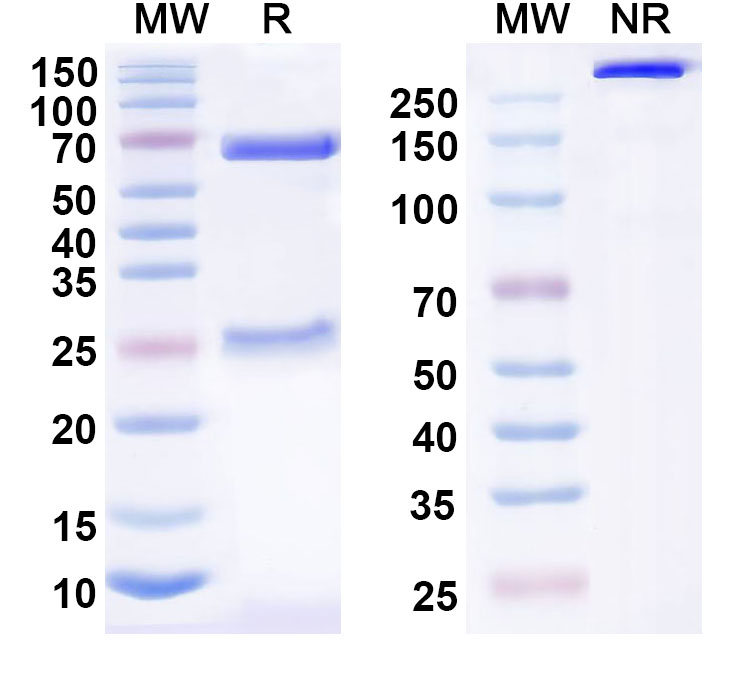
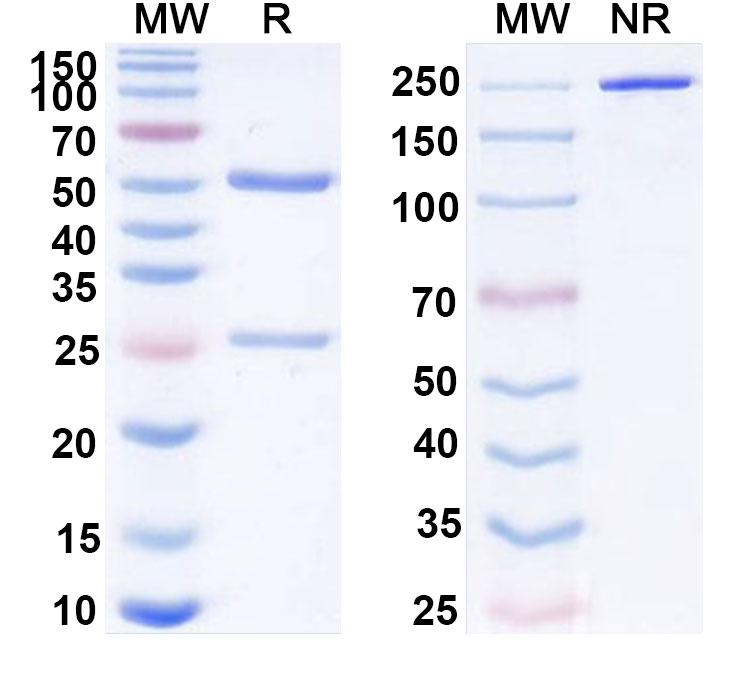
Empasiprubart Biosimilar is a recombinant mAb that is produced using advanced biotechnology techniques. It is a humanized antibody, meaning that it is derived from human antibodies but has been modified to reduce immunogenicity and increase specificity. The antibody consists of two identical heavy chains and two identical light chains, connected by disulfide bonds. The heavy chains contain a constant region, responsible for effector functions, and a variable region, responsible for antigen binding. The light chains also have a constant and variable region, with the variable region being responsible for antigen recognition.
Activity of Empasiprubart Biosimilar:
Empasiprubart Biosimilar specifically targets the complement C2 protein, which is a key component of the complement system. The complement system is a group of proteins that work together to destroy foreign invaders, such as bacteria and viruses, and promote inflammation. However, in certain diseases, the complement system becomes overactive and can cause tissue damage. This is where Empasiprubart Biosimilar comes into play. By binding to the complement C2 protein, it inhibits its activity and prevents the overactivation of the complement system. This leads to a reduction in inflammation and tissue damage, making Empasiprubart Biosimilar an effective therapeutic option.
Therapeutic Target of Empasiprubart Biosimilar:
Empasiprubart Biosimilar has been developed as a targeted therapy for various diseases where the complement system plays a role. Some of the therapeutic targets for this biosimilar include autoimmune diseases, such as systemic lupus erythematosus (SLE) and rheumatoid arthritis (RA), and inflammatory diseases, such as age-related macular degeneration (AMD) and atypical hemolytic uremic syndrome (aHUS). In these diseases, the complement system is overactive, leading to tissue damage and inflammation. By targeting the complement C2 protein, Empasiprubart Biosimilar can effectively reduce the activity of the complement system and provide relief to patients.
Potential Applications of Empasiprubart Biosimilar:
Empasiprubart Biosimilar has shown promising results in pre-clinical and clinical trials, making it a potential treatment option for various diseases. It has been found to be well-tolerated and effective in reducing disease activity in patients with SLE, RA, AMD, and aHUS. In addition, Empasiprubart Biosimilar has also shown potential in organ transplantation, where the complement system plays a role in rejection. By inhibiting the complement system, Empasiprubart Biosimilar can help improve the success rate of organ transplants.
Conclusion:
Empasiprubart Biosimilar is a revolutionary therapeutic antibody that specifically targets the complement C2 protein, a key component of the complement system. Its unique structure and mechanism of action make it a promising treatment option for various diseases where the complement system is overactive. With its potential to reduce inflammation and tissue damage, Empasiprubart Biosimilar has the potential to improve the quality of life for patients suffering from these diseases. Further research and clinical trials are needed to fully explore the potential of this biosimilar and its role in targeted therapy.

There are no reviews yet.