Title: Understanding the Structure and Function of Elipovimab Biosimilar: A Promising Anti-HIV-1 Antibody
Introduction:
Elipovimab Biosimilar, also known as Anti-HIV-1 gp120 mAb, is a novel monoclonal antibody that has shown promising results in the treatment of HIV-1 infection. This biosimilar is a replica of the original Elipovimab antibody, which has been extensively studied and proven to be effective in targeting the HIV-1 virus. In this article, we will delve into the structure, activity, and potential applications of Elipovimab Biosimilar as a therapeutic agent for HIV-1.
Structure of Elipovimab Biosimilar:
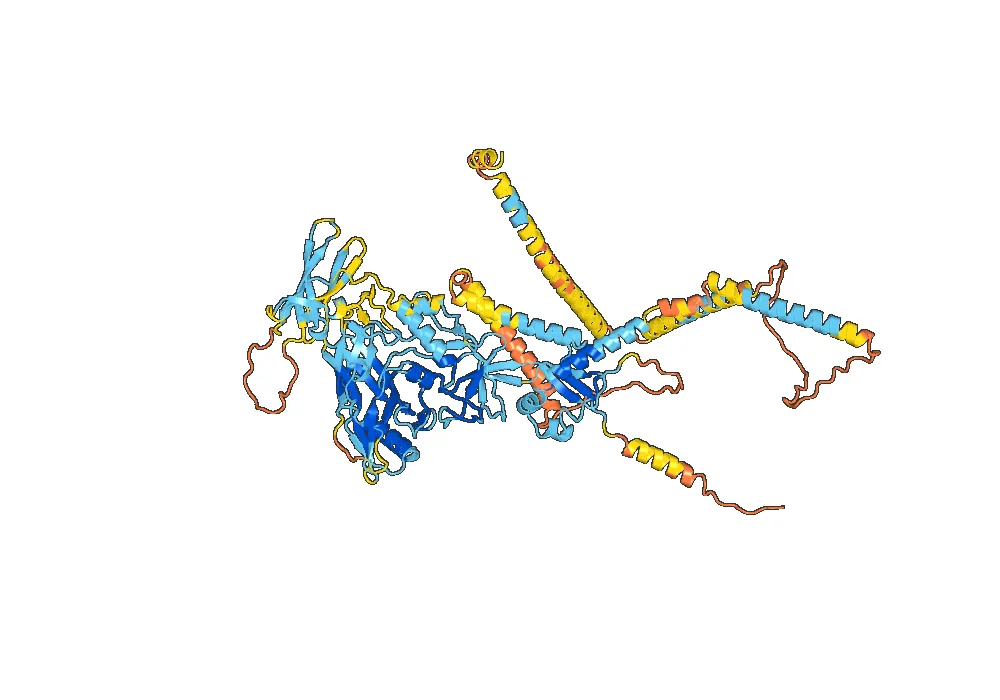
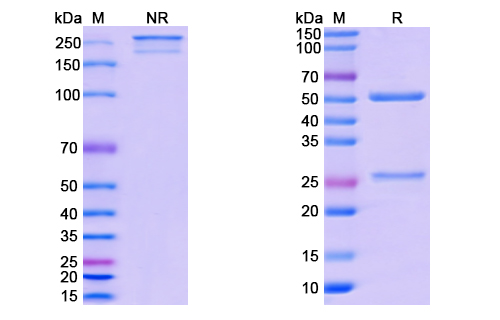
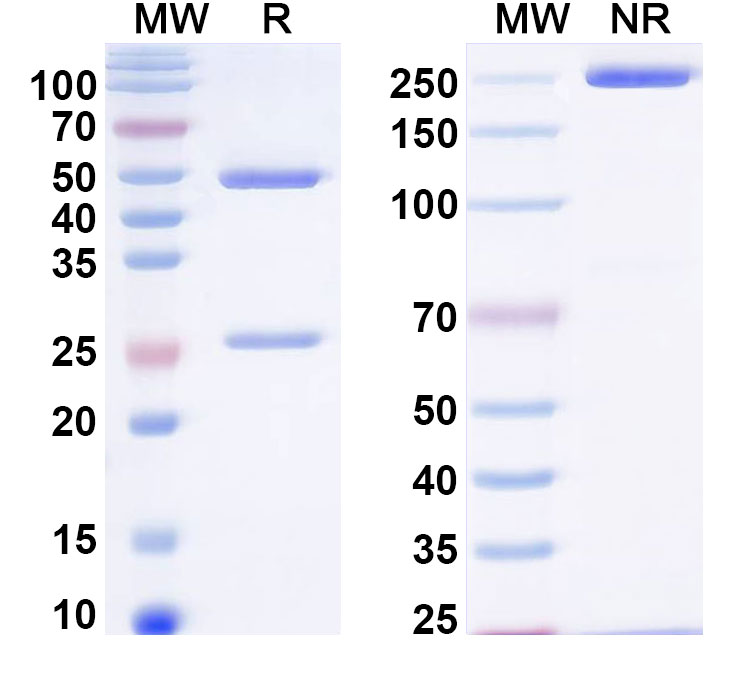
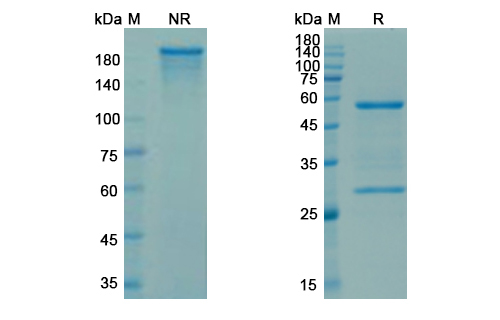
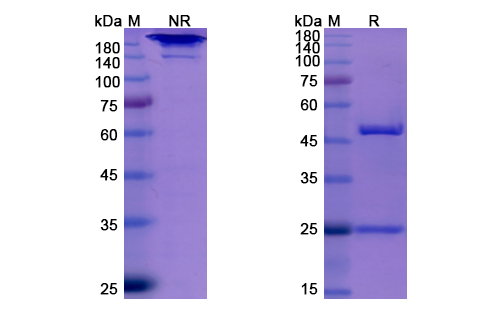
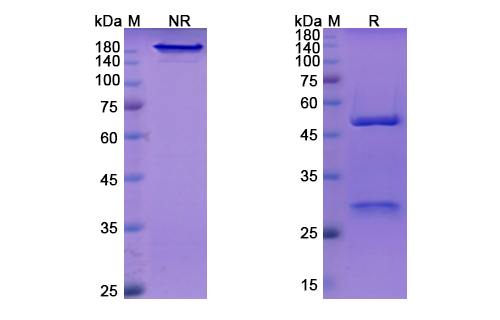
Elipovimab Biosimilar is a monoclonal antibody that specifically binds to the glycoprotein 120 (gp120) on the surface of HIV-1. The antibody is composed of two heavy chains and two light chains, connected by disulfide bonds. The heavy chains consist of four constant domains (CH1-CH4) and one variable domain (VH), while the light chains contain one constant domain (CL) and one variable domain (VL). The VH and VL domains together form the antigen-binding site, which is responsible for the specificity of the antibody towards its target.
Activity of Elipovimab Biosimilar:
The main mechanism of action of Elipovimab Biosimilar is through neutralization of HIV-1. The antibody binds to the gp120 on the virus, preventing it from attaching to the CD4 receptor on the host cell. This prevents the virus from entering the host cell and replicating, effectively inhibiting the progression of HIV-1 infection. In addition, Elipovimab Biosimilar also activates the host immune system by triggering antibody-dependent cellular cytotoxicity (ADCC) and complement-dependent cytotoxicity (CDC) against HIV-1 infected cells. This dual mechanism of action makes Elipovimab Biosimilar a potent therapeutic agent against HIV-1.
Therapeutic Target:
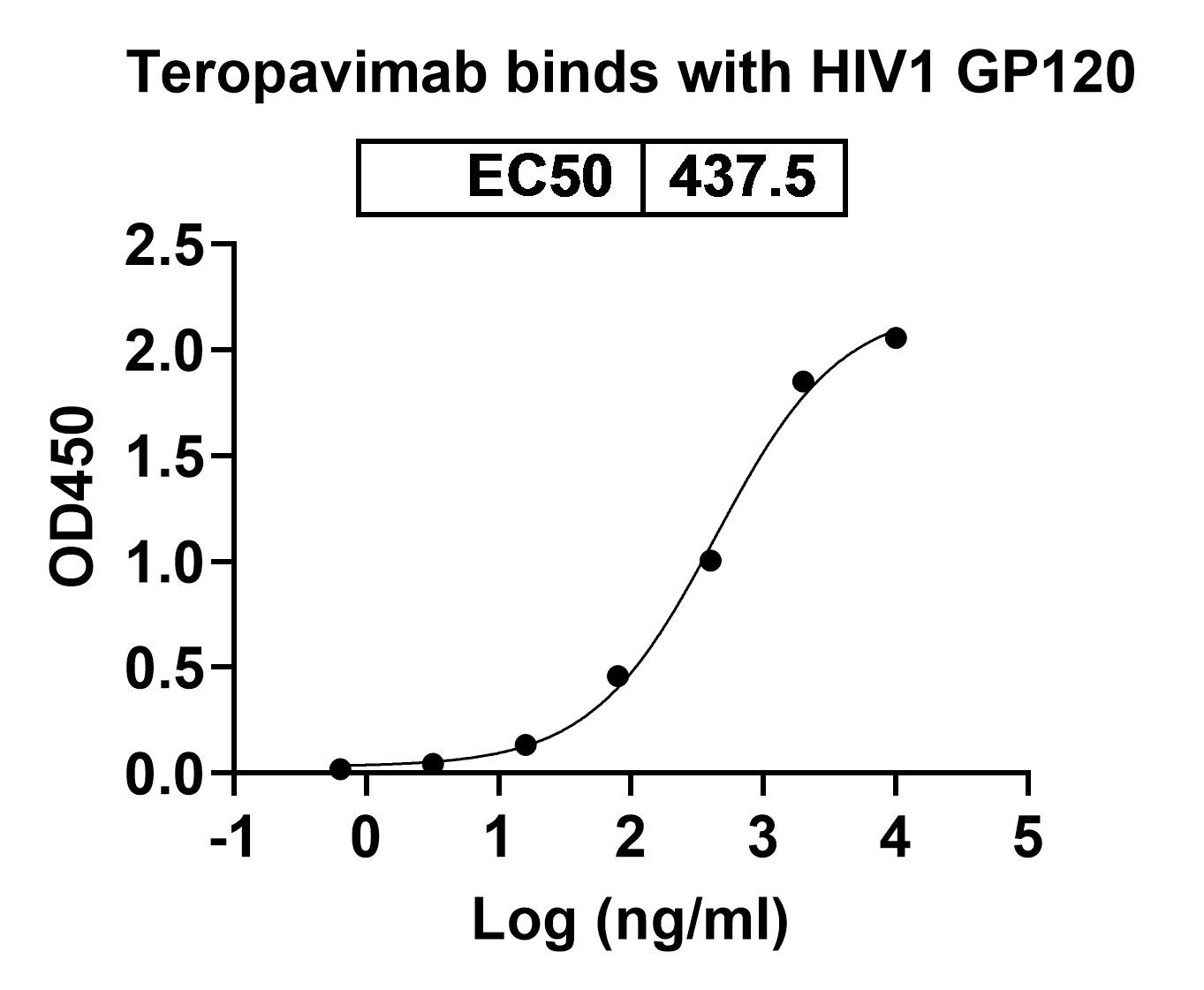
As mentioned earlier, Elipovimab Biosimilar specifically targets the gp120 protein on the surface of HIV-1. This protein is essential for the virus to attach and enter host cells, making it an ideal therapeutic target. By blocking the interaction between gp120 and the CD4 receptor, Elipovimab Biosimilar effectively inhibits the entry of the virus into host cells, thus preventing the spread of infection.
Potential Applications:
Elipovimab Biosimilar has shown promising results in pre-clinical and clinical studies as a potential treatment for HIV-1 infection. It has been found to be safe and well-tolerated, with a favorable pharmacokinetic profile. In addition, the antibody has also demonstrated potent antiviral activity, with a significant reduction in viral load observed in patients. Furthermore, Elipovimab Biosimilar has also been shown to have a synergistic effect when used in combination with other anti-HIV drugs, making it a potential candidate for combination therapy.
Conclusion:
In conclusion, Elipovimab Biosimilar is a promising anti-HIV-1 antibody that specifically targets the gp120 protein on the virus. Its unique structure and dual mechanism of action make it a potent therapeutic agent against HIV-1 infection. With ongoing research and clinical trials, Elipovimab Biosimilar has the potential to become a valuable addition to the existing treatment options for HIV-1.

There are no reviews yet.