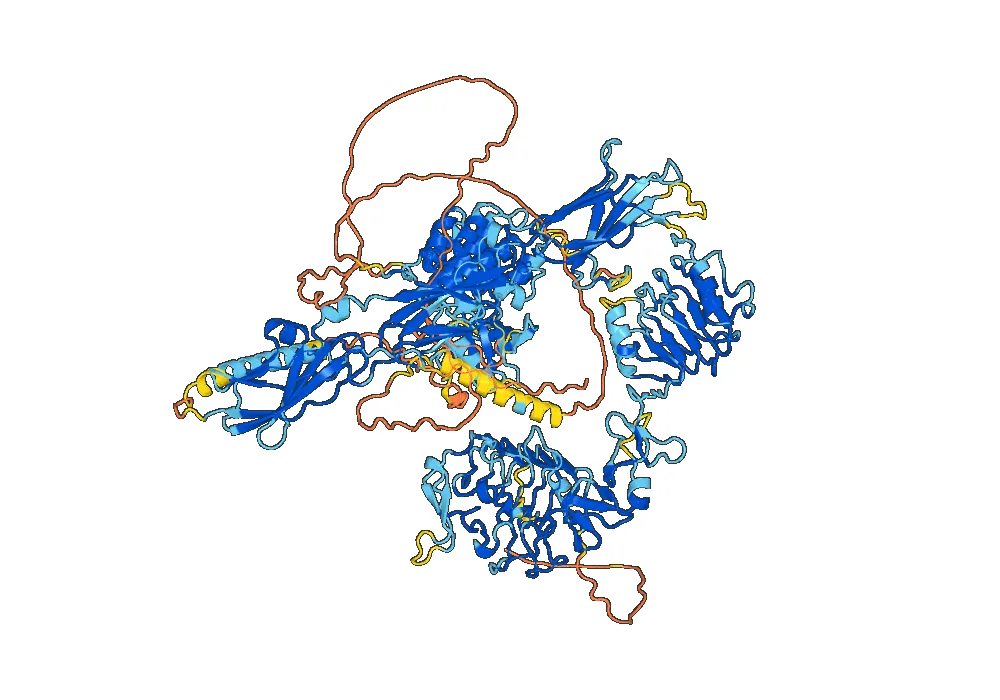
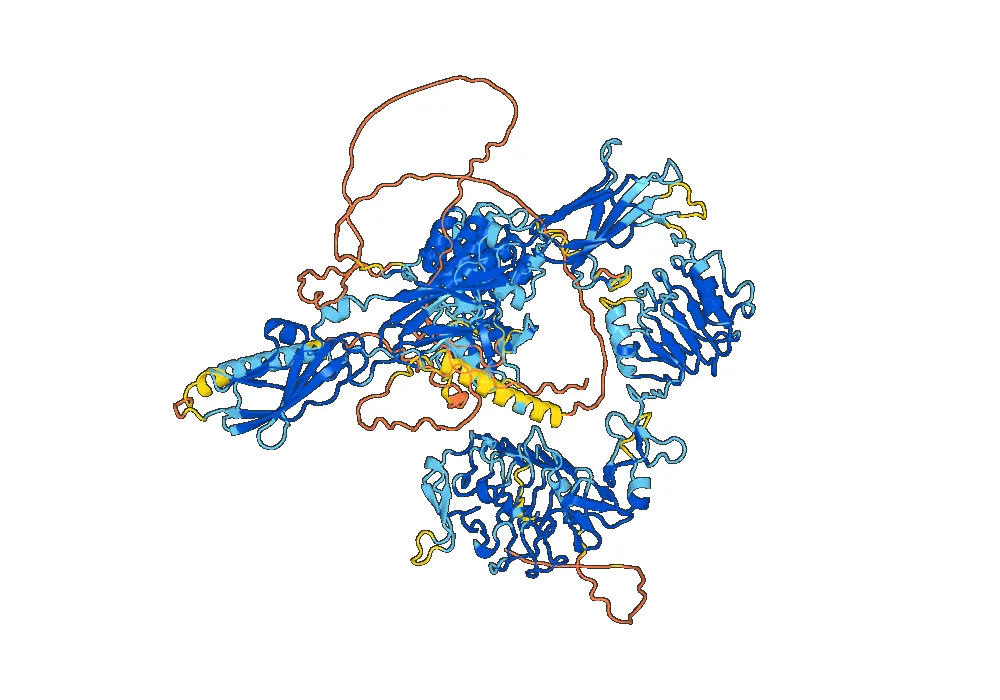
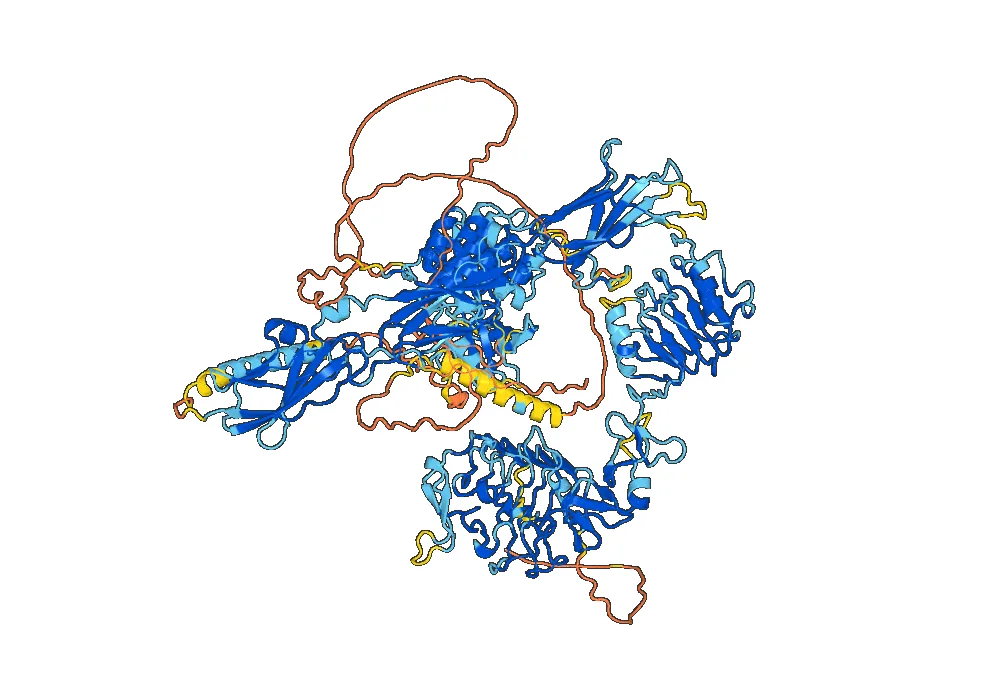
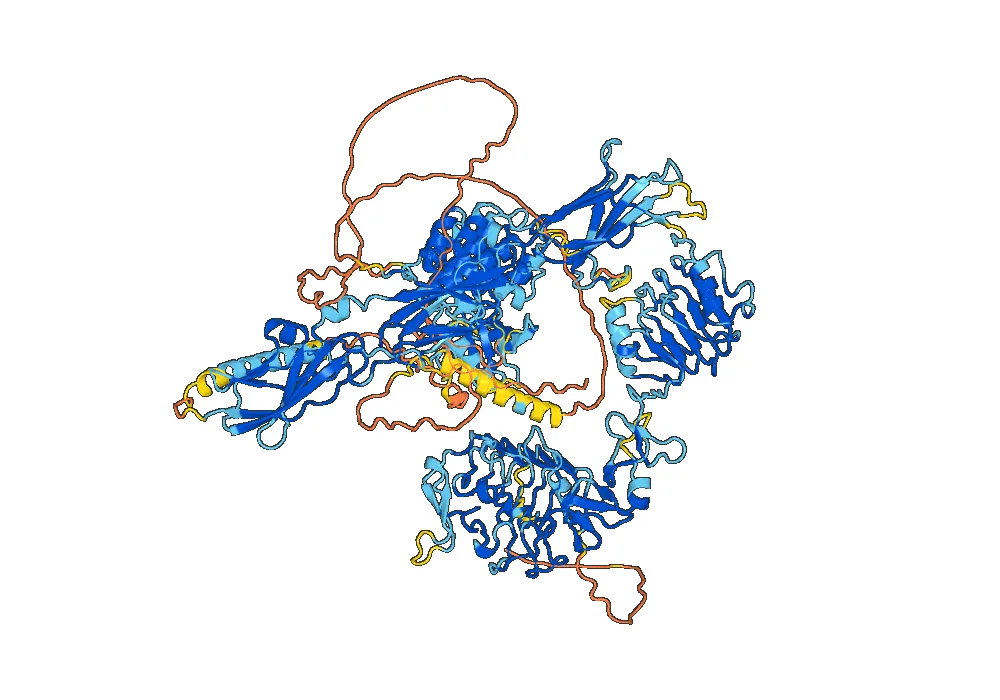
The Structure of EEEV Spike Glycoprotein E1
Eastern equine encephalitis virus (EEEV) is a mosquito-borne virus that causes severe neurological disease in humans and horses. The virus is classified as a member of the genus Alphavirus, which is a group of enveloped, single-stranded RNA viruses. EEEV is composed of a nucleocapsid core surrounded by a lipid membrane, which is studded with glycoproteins. These glycoproteins are essential for the virus to enter host cells and initiate infection.
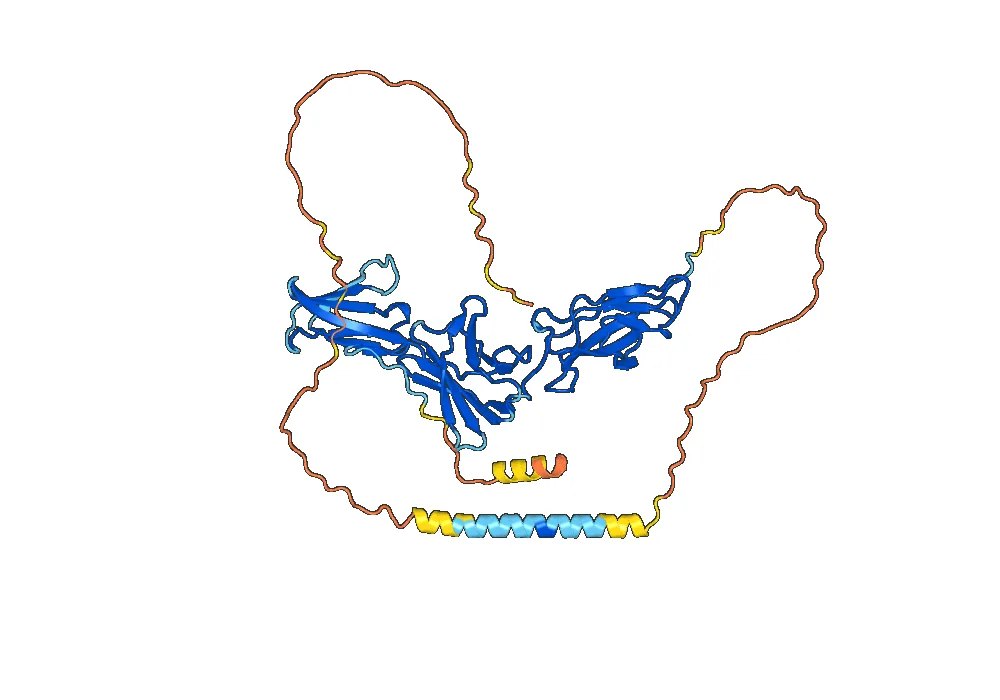
One of the key glycoproteins on the surface of EEEV is the Spike glycoprotein E1. This protein is responsible for attaching to host cell receptors and mediating the fusion of the virus with the cell membrane. E1 is a type I transmembrane protein, meaning that it spans the lipid membrane of the virus and has a portion exposed on the outer surface. It is composed of three distinct domains: a cytoplasmic tail, a transmembrane domain, and an ectodomain.
The ectodomain of E1 is the largest and most important part of the protein. It is made up of three subunits, designated as E1, E2, and E3. E1 and E2 are the main components of the spike structure, while E3 acts as a stabilizing protein. E1 and E2 form a heterodimer, which is the functional unit responsible for receptor binding and membrane fusion. The E1 subunit contains a fusion peptide and a hydrophobic loop, which are critical for the fusion process. The E2 subunit contains the receptor binding site, which recognizes and attaches to specific host cell receptors.
The Activity of EEEV Spike Glycoprotein E1
The Spike glycoprotein E1 plays a crucial role in the life cycle of EEEV. It is involved in the initial stages of infection, where it binds to host cell receptors and facilitates the entry of the virus into the cell. This process is mediated by the fusion of the viral membrane with the host cell membrane, which is triggered by the E1 protein.
Once inside the host cell, E1 is also involved in the replication and assembly of new virus particles. It is responsible for the formation of the viral envelope, which is essential for the virus to spread and infect other cells. E1 also plays a role in the maturation of the virus, as it is required for the proper folding and processing of the other viral glycoproteins.
Application of EEEV Spike Glycoprotein E1 ELISA Kit
The EEEV Spike glycoprotein E1 ELISA Kit is a research tool that allows for the detection and quantification of E1 protein in biological samples. This kit is designed for use in laboratory settings and is not intended for diagnostic purposes.
The EEEV Spike glycoprotein E1 ELISA Kit is based on the principle of enzyme-linked immunosorbent assay (ELISA). It utilizes specific antibodies that bind to the E1 protein and can detect its presence in a sample. The kit includes all the necessary components and reagents for the assay, making it a convenient and reliable method for measuring E1 levels.
This ELISA kit has various applications in EEEV research. It can be used to study the expression and production of E1 during different stages of the virus life cycle. It can also be used to compare E1 levels in different virus strains or in response to different treatments. Furthermore, this kit can aid in the development and evaluation of potential therapeutic targets for EEEV, as E1 is a critical protein for the virus’s survival and pathogenesis.
In conclusion, the EEEV Spike glycoprotein E1 ELISA Kit is a valuable tool for studying the structure, activity, and potential therapeutic targeting of E1 in EEEV. Its use in research can contribute to a better understanding of this deadly virus and aid in the development of effective treatments and prevention strategies.

There are no reviews yet.