The Structure of Cofetuzumab Biosimilar
Cofetuzumab Biosimilar, also known as Anti-PTK7 mAb, is a monoclonal antibody that targets the protein tyrosine kinase 7 (PTK7). It is a biosimilar version of the original Cofetuzumab, which was developed by the pharmaceutical company Daiichi Sankyo. The biosimilar version is produced by a different company and has been shown to have similar structure, activity and efficacy as the original drug.
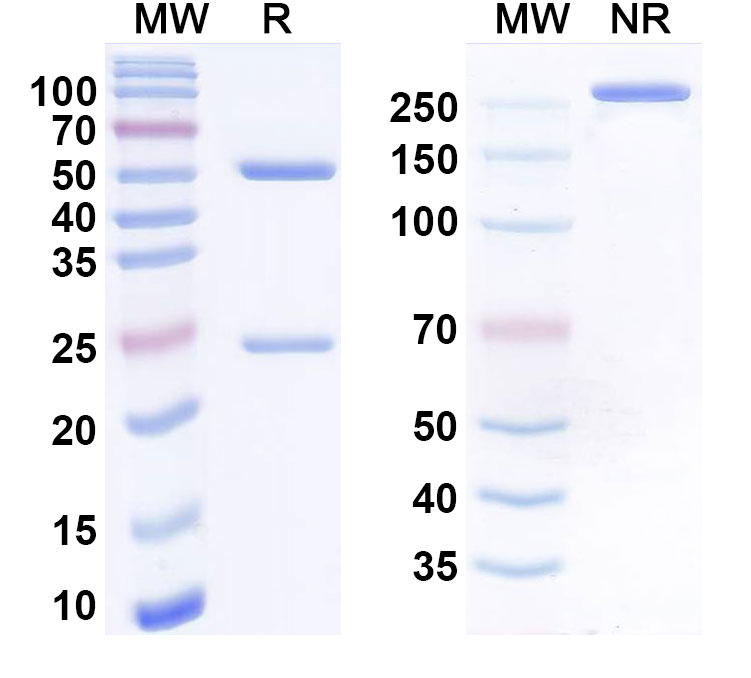
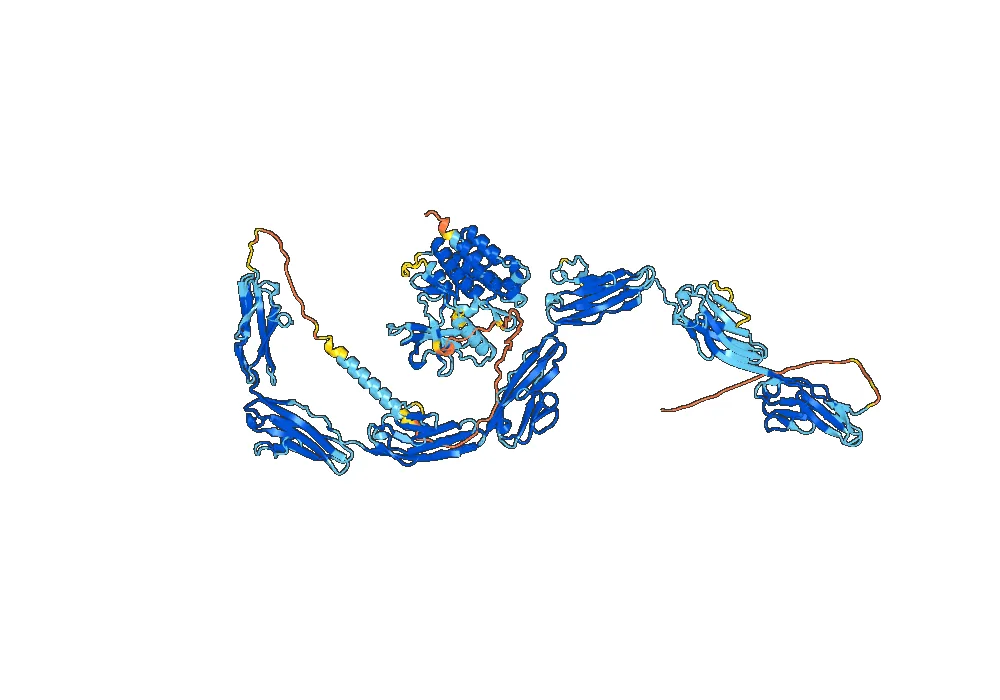
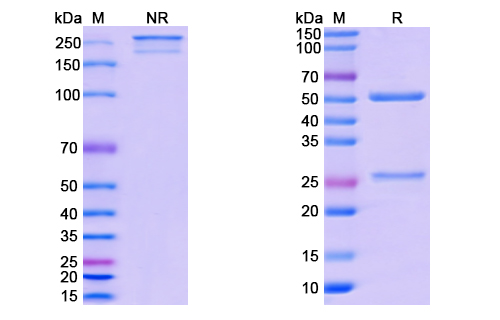
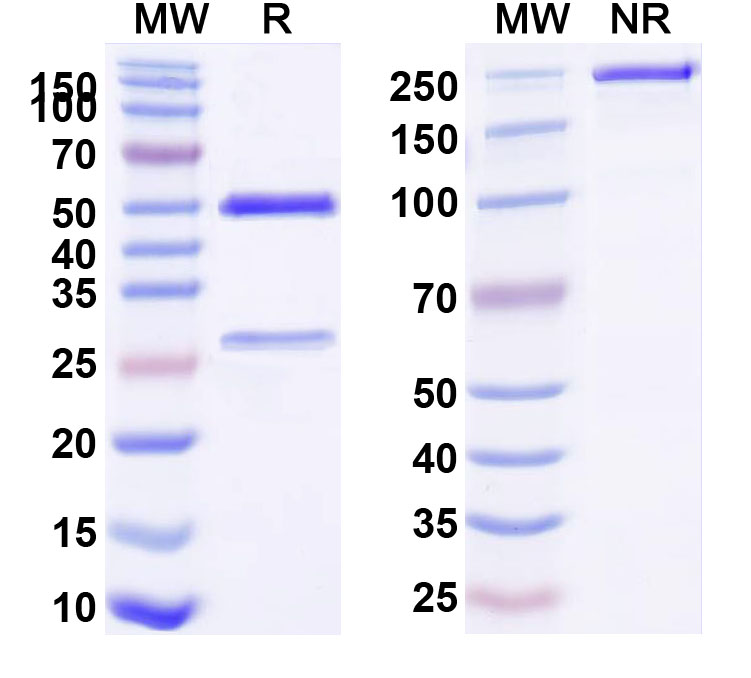
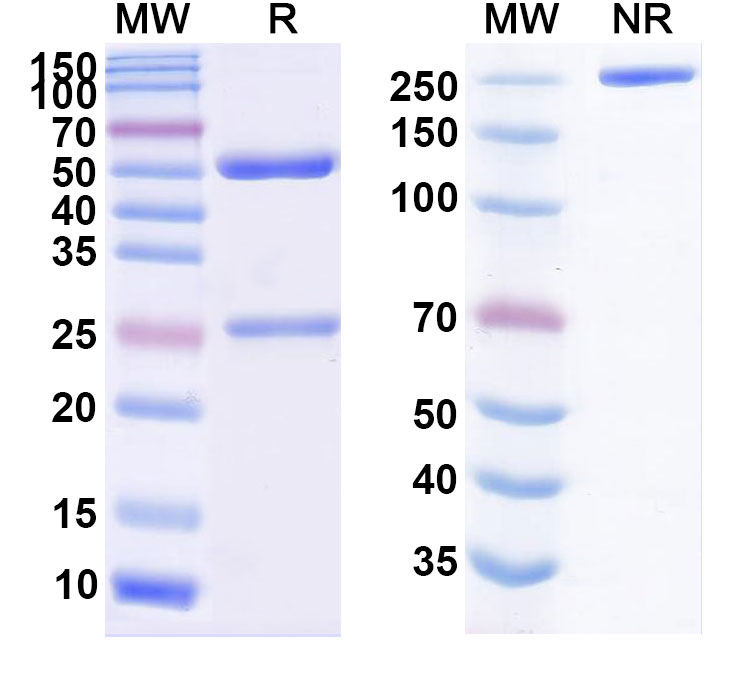
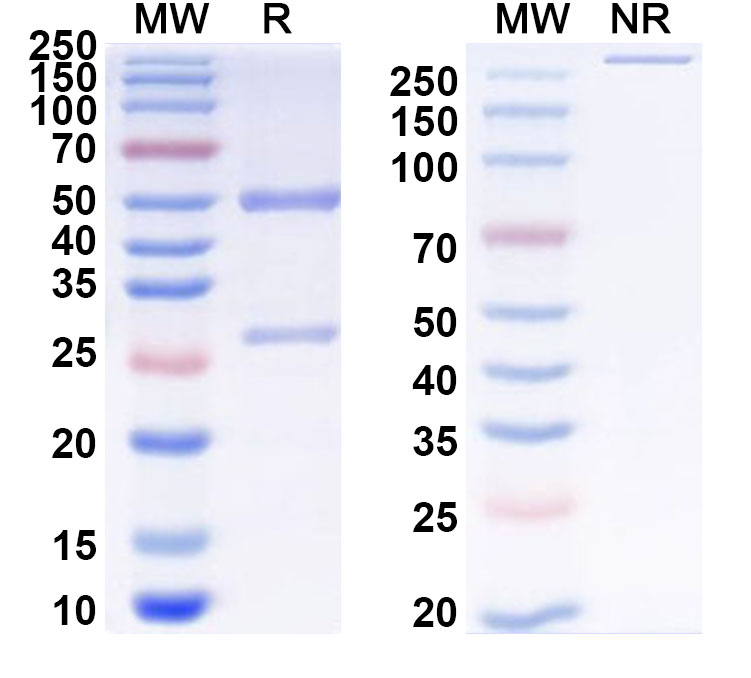
The structure of Cofetuzumab Biosimilar is similar to other monoclonal antibodies, with a Y-shaped structure consisting of two heavy chains and two light chains. The heavy chains are made up of constant and variable regions, while the light chains only have variable regions. The variable regions are responsible for binding to the target protein, in this case PTK7.
The Activity of Cofetuzumab Biosimilar
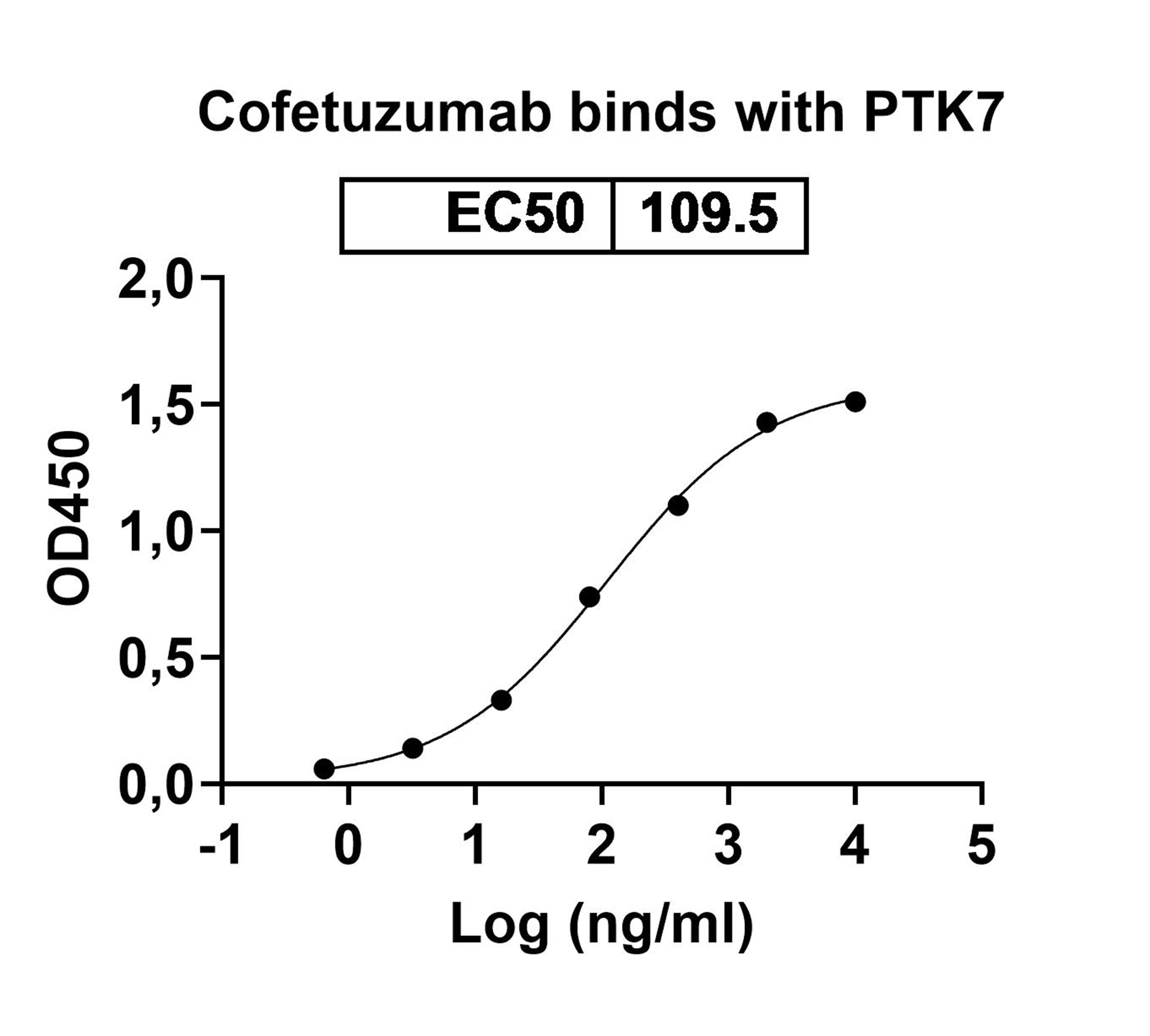
Cofetuzumab Biosimilar works by binding to PTK7, a transmembrane protein that is overexpressed in various types of cancer cells. PTK7 is involved in cell proliferation, migration and invasion, making it an attractive therapeutic target for cancer treatment. By binding to PTK7, Cofetuzumab Biosimilar inhibits its activity and disrupts the signaling pathways that promote cancer cell growth and spread.
In addition to directly targeting PTK7, Cofetuzumab Biosimilar also has an immune-mediated mechanism of action. It can activate the body’s immune system to recognize and attack cancer cells that express PTK7, leading to their destruction. This makes Cofetuzumab Biosimilar a promising therapeutic option for cancers that are resistant to traditional treatments.
Application of Cofetuzumab Biosimilar
Cofetuzumab Biosimilar is currently being evaluated in clinical trials for the treatment of various types of cancer, including breast, lung, and colorectal cancer. It has also shown promising results in preclinical studies for the treatment of other solid tumors, such as ovarian and pancreatic cancer.
The biosimilar version of Cofetuzumab offers a more affordable option for patients, as it is expected to be less expensive than the original drug. This makes it more accessible to a larger number of patients, especially in developing countries where access to expensive treatments is limited.
In addition to its potential as a standalone treatment, Cofetuzumab Biosimilar may also be used in combination with other cancer therapies to improve treatment outcomes. It has been shown to enhance the effects of chemotherapy and radiation therapy in preclinical studies, and is currently being evaluated in combination with other targeted therapies in clinical trials.
Conclusion
In summary, Cofetuzumab Biosimilar is a promising monoclonal antibody that targets the protein tyrosine kinase 7 (PTK7), a key player in cancer cell growth and spread. Its structure is similar to other monoclonal antibodies, with a Y-shaped structure consisting of heavy and light chains. It works by directly binding to PTK7 and also has an immune-mediated mechanism of action. Cofetuzumab Biosimilar is currently being evaluated in clinical trials for the treatment of various types of cancer, and has the potential to be used in combination with other cancer therapies. Its biosimilar version offers a more affordable option for patients, making it a promising addition to the arsenal of cancer treatments.


There are no reviews yet.