Introduction
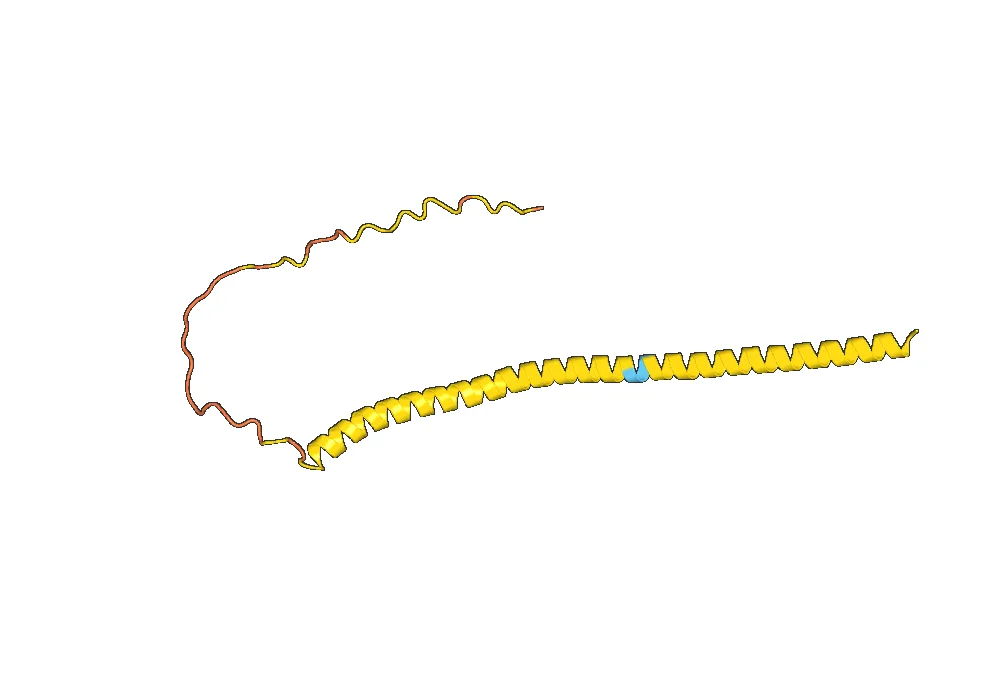
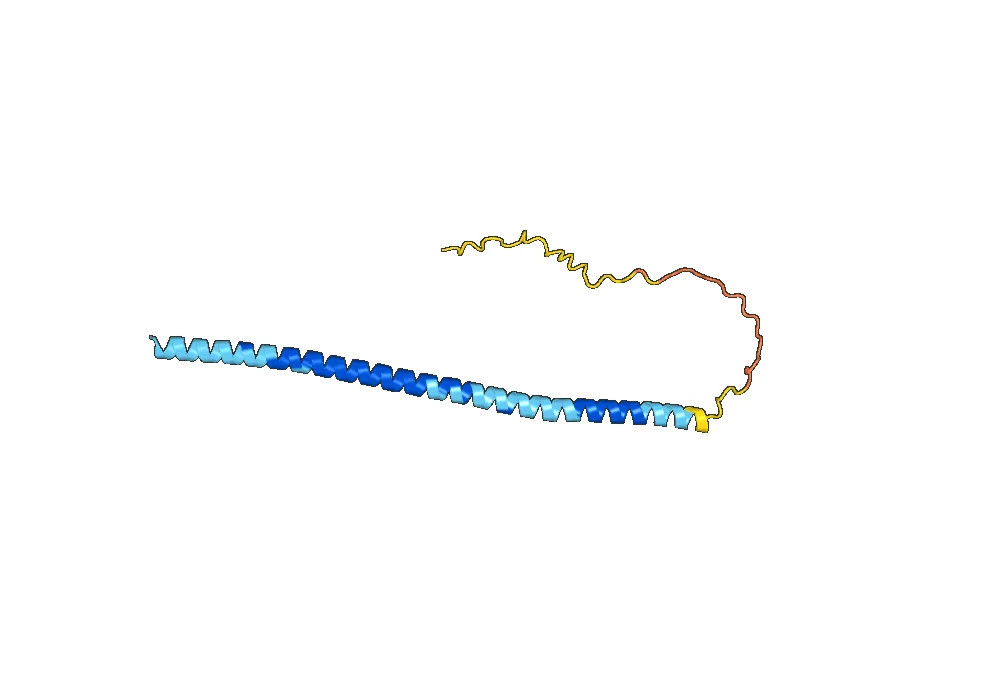
Cinpanemab Biosimilar, also known as Anti-SNCA mAb, is a novel monoclonal antibody that has shown promising results in the treatment of various neurodegenerative diseases. This biosimilar is a research grade version of the original Cinpanemab, which is currently undergoing clinical trials for its therapeutic potential. In this article, we will delve into the structure, activity, and application of Cinpanemab Biosimilar as an antibody targeting SNCA, a key therapeutic target in neurodegenerative disorders.
Structure of Cinpanemab Biosimilar
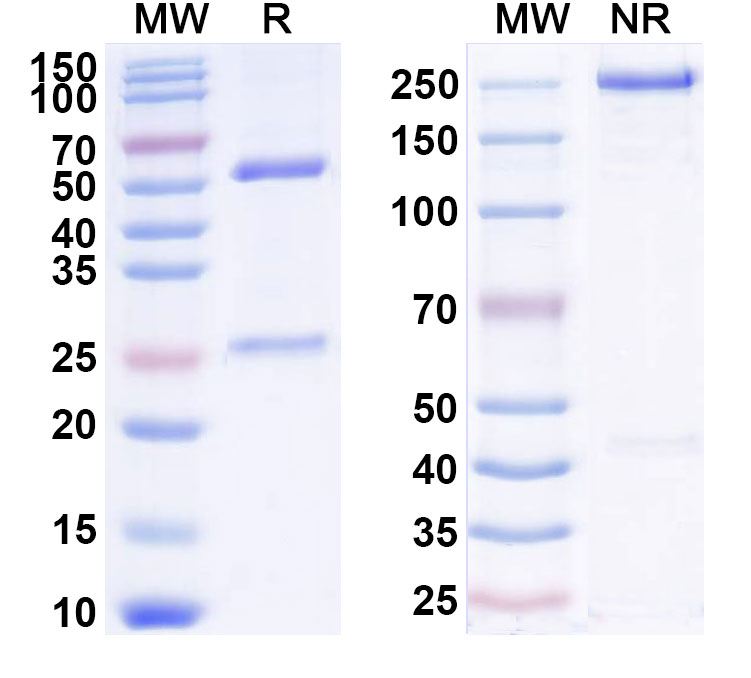
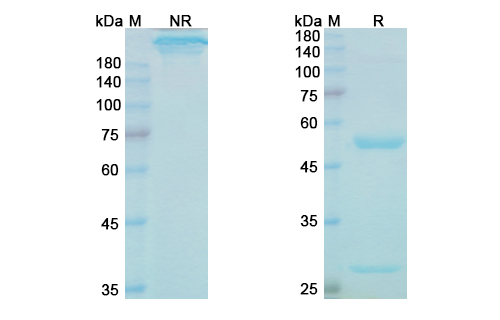
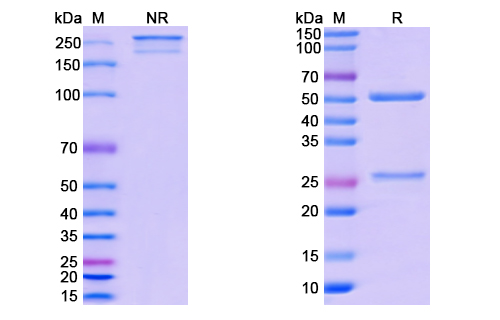
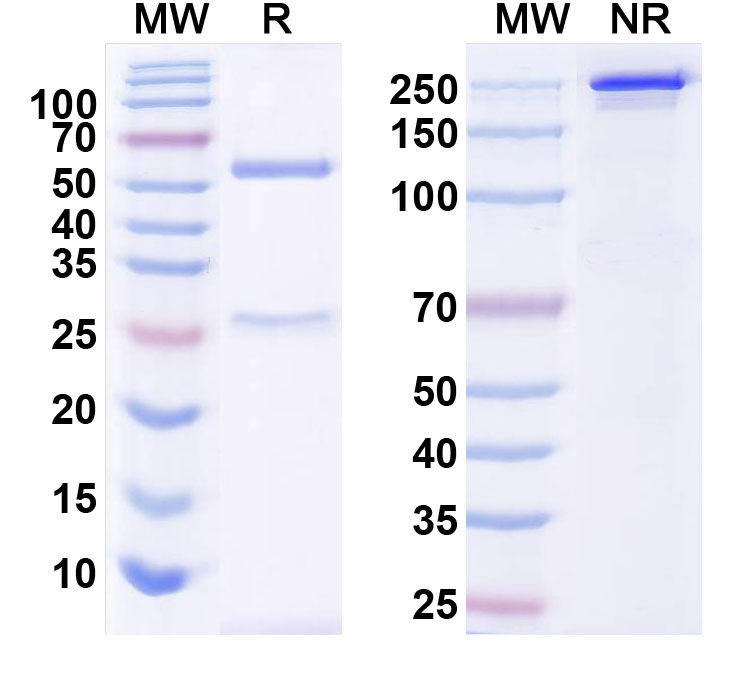
Cinpanemab Biosimilar is a monoclonal antibody, meaning it is produced by a single clone of immune cells. It is a humanized IgG1 antibody, which means it has been engineered to have a human-like structure to reduce the risk of immune reactions. The antibody has a molecular weight of approximately 150 kDa and is composed of two heavy chains and two light chains. The heavy chains consist of four constant regions (CH1, CH2, CH3, and CH4) and one variable region (VH), while the light chains have two constant regions (CL) and one variable region (VL). The variable regions of the antibody are responsible for binding to the target molecule, SNCA.
Activity of Cinpanemab Biosimilar
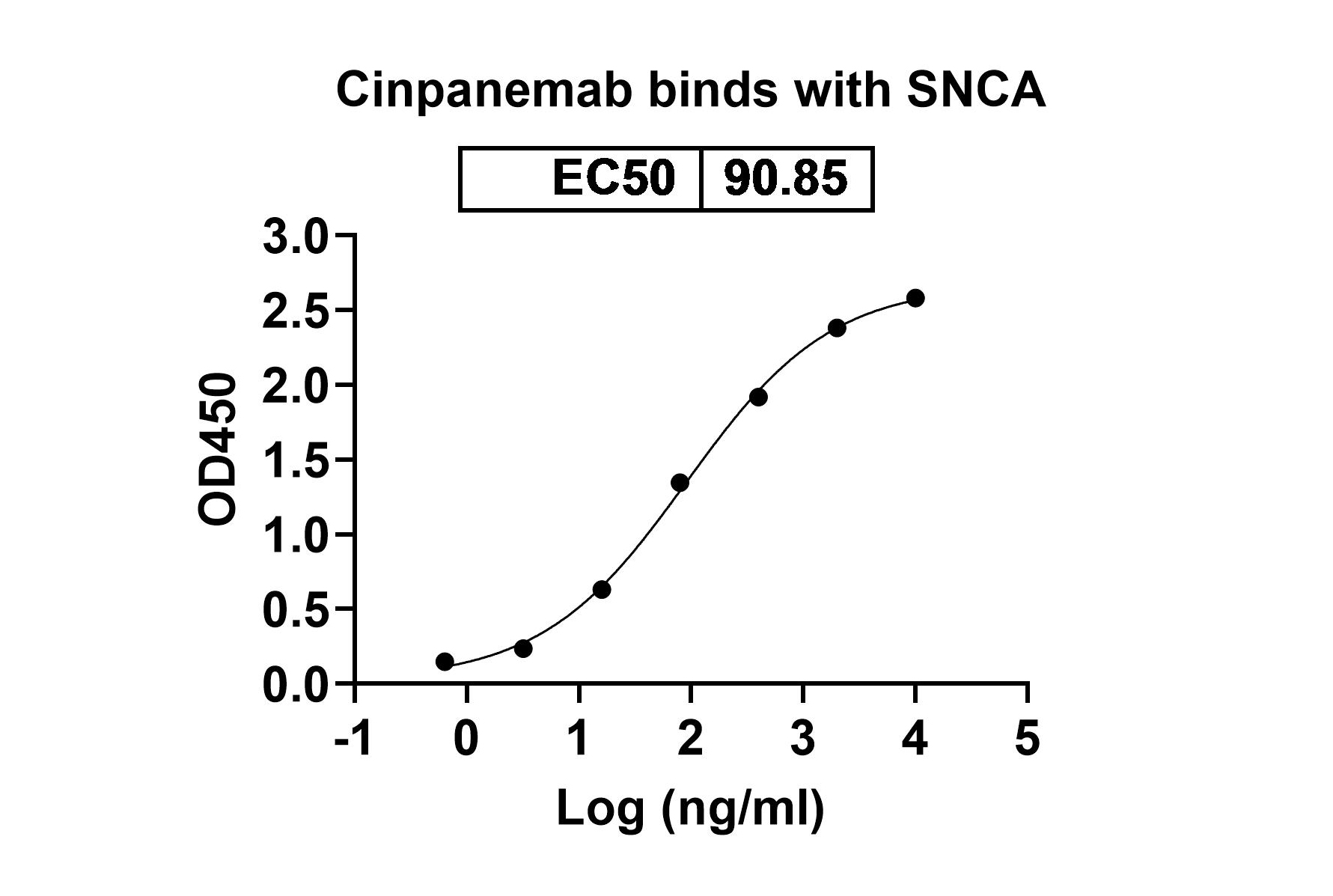
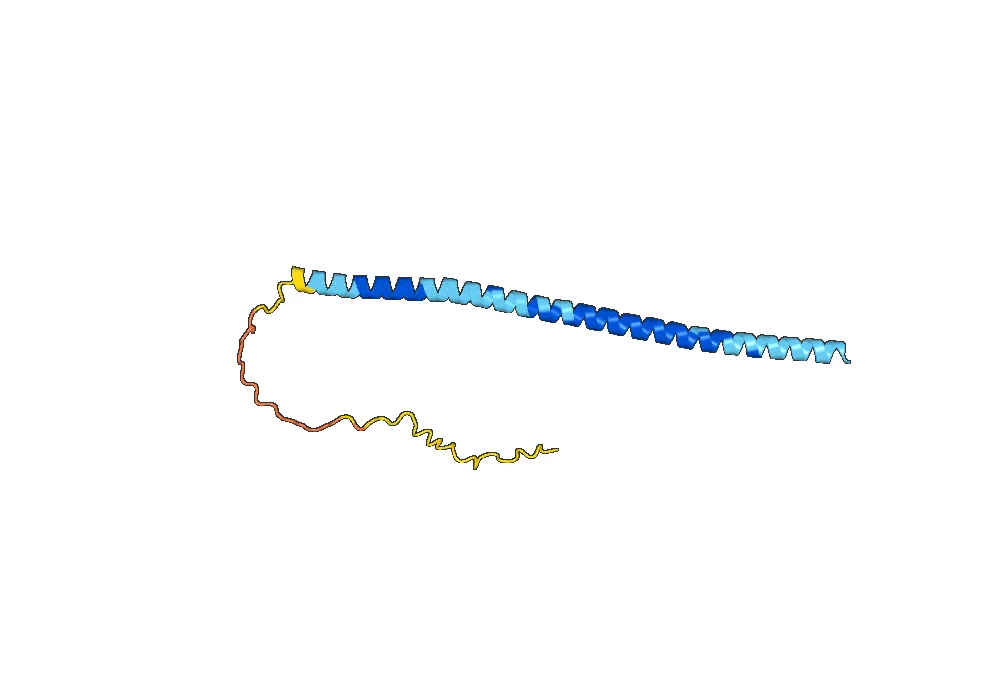
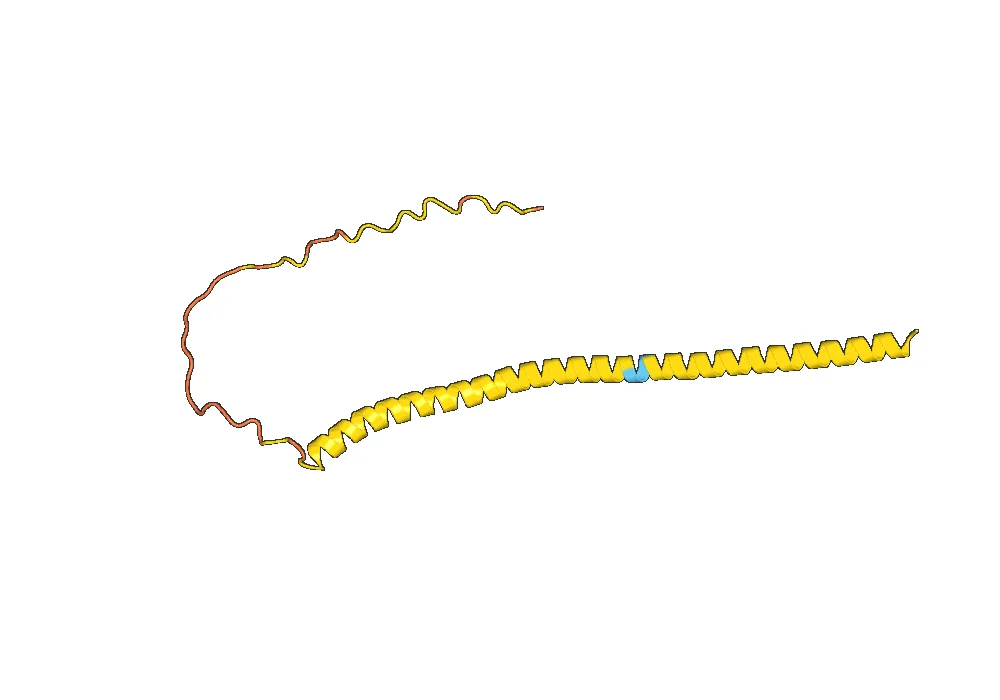
The main activity of Cinpanemab Biosimilar is to bind to and neutralize SNCA, a protein that plays a crucial role in the pathogenesis of neurodegenerative diseases such as Parkinson’s disease, dementia with Lewy bodies, and multiple system atrophy. SNCA is a key component of Lewy bodies, abnormal protein aggregates that are found in the brains of patients with these disorders. These aggregates are thought to contribute to neuronal dysfunction and cell death.
Cinpanemab Biosimilar specifically targets the N-terminal region of SNCA, which is known to be involved in the aggregation and toxicity of the protein. By binding to this region, the antibody prevents SNCA from forming aggregates and reduces its toxicity, thereby potentially slowing down the progression of neurodegeneration.
Application of Cinpanemab Biosimilar
Cinpanemab Biosimilar has shown promising results in preclinical studies and is currently being evaluated in clinical trials for its potential as a therapeutic agent for neurodegenerative diseases. The primary application of this antibody is in the treatment of Parkinson’s disease, a progressive disorder characterized by the loss of dopaminergic neurons in the brain. By targeting SNCA, Cinpanemab Biosimilar has the potential to slow down the progression of the disease and improve motor symptoms.
In addition to Parkinson’s disease, Cinpanemab Biosimilar may also have applications in other neurodegenerative disorders such as dementia with Lewy bodies and multiple system atrophy. These disorders share similar pathological features with Parkinson’s disease and are also characterized by the presence of Lewy bodies.
Conclusion
In summary, Cinpanemab Biosimilar is a research grade monoclonal antibody that targets SNCA, a key therapeutic target in neurodegenerative diseases. Its structure, activity, and potential applications make it a promising candidate for the treatment of Parkinson’s disease and other related disorders. Further research and clinical trials will shed more light on the efficacy and safety of this antibody, and it may become a valuable addition to the current treatment options for neurodegenerative diseases.
There are no reviews yet.