Introduction
Cendakimab Biosimilar, also known as anti-IL13 mAb, is a novel therapeutic antibody that has shown promising results in the treatment of various inflammatory diseases. This biosimilar is a research grade version of the original Cendakimab, which is currently in clinical trials. In this article, we will delve into the structure, activity, and potential applications of Cendakimab Biosimilar as an antibody targeting IL-13.
Structure of Cendakimab Biosimilar
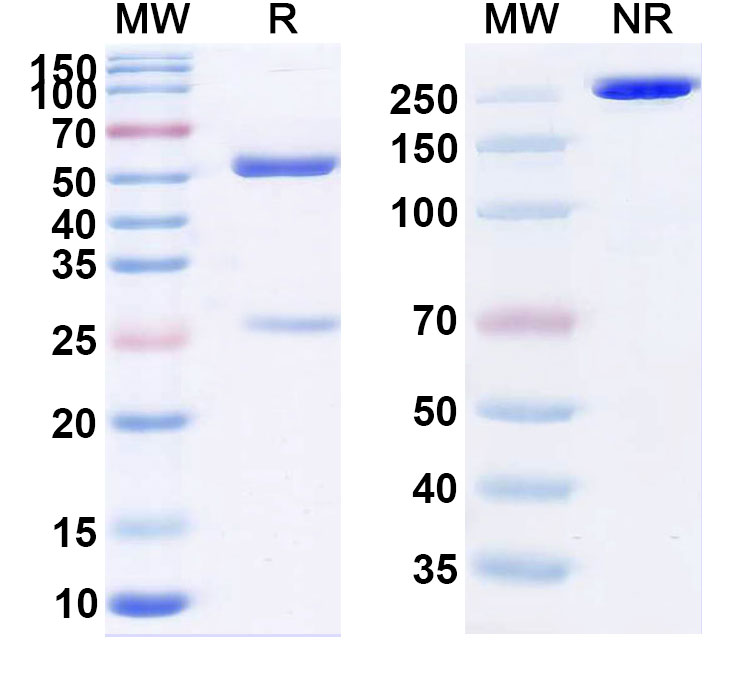
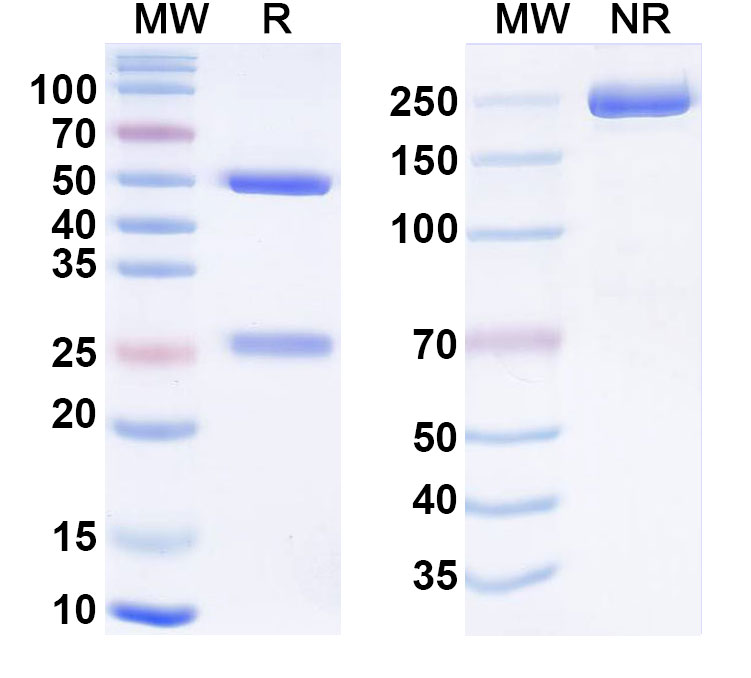
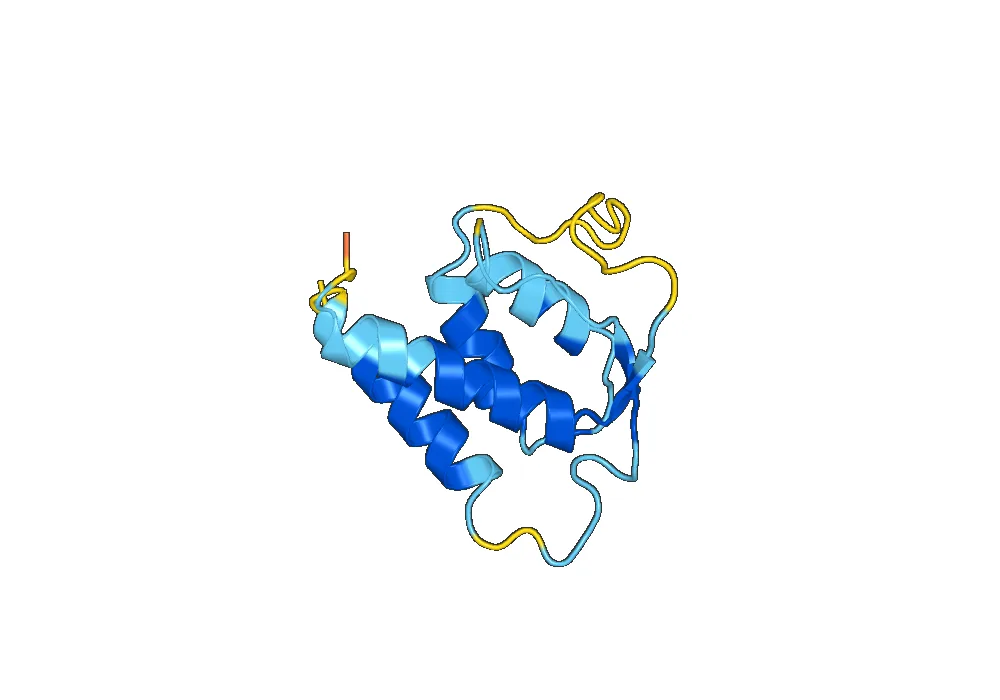
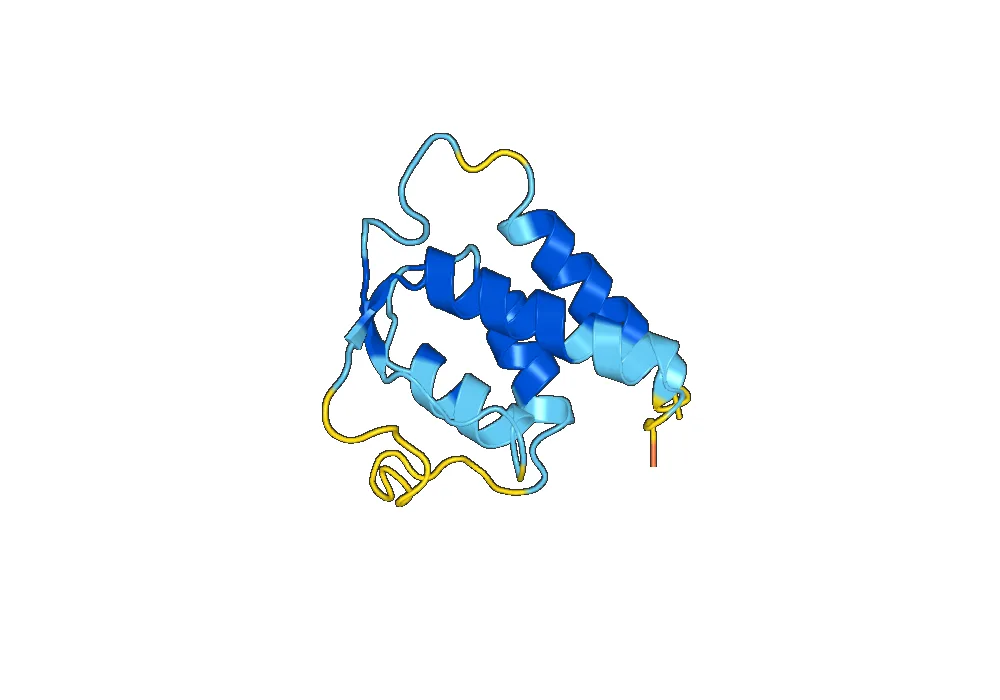
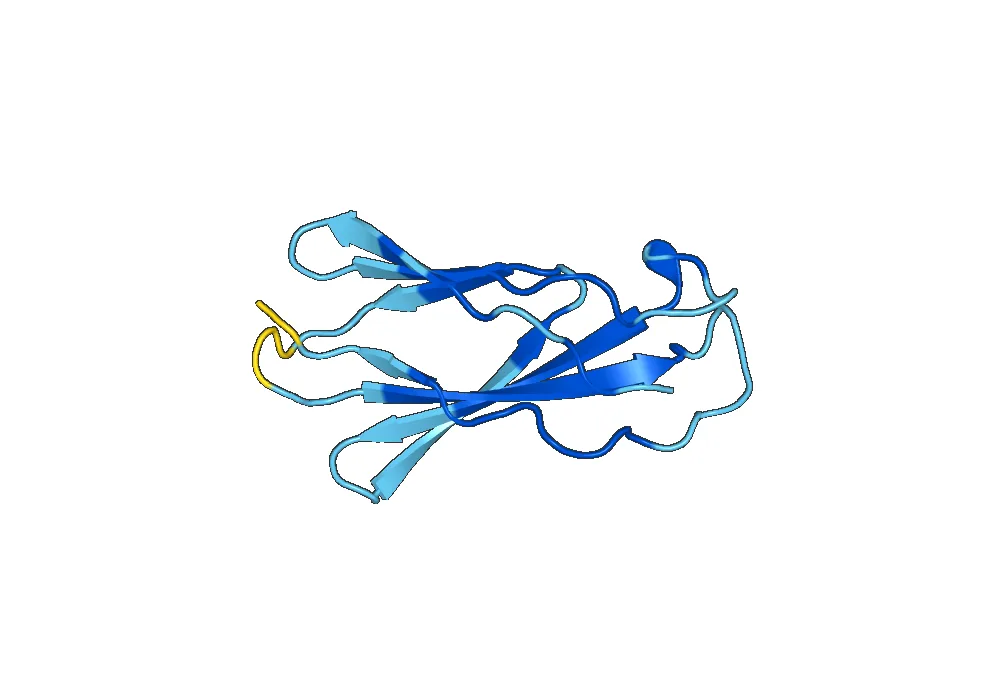
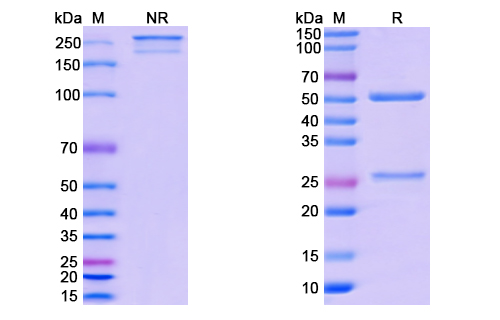
Cendakimab Biosimilar is a monoclonal antibody (mAb) that is designed to specifically bind to and neutralize the cytokine interleukin-13 (IL-13). It is composed of two heavy chains and two light chains, each containing variable and constant regions. The variable regions are responsible for binding to IL-13, while the constant regions provide stability and effector functions.
Targeting IL-13
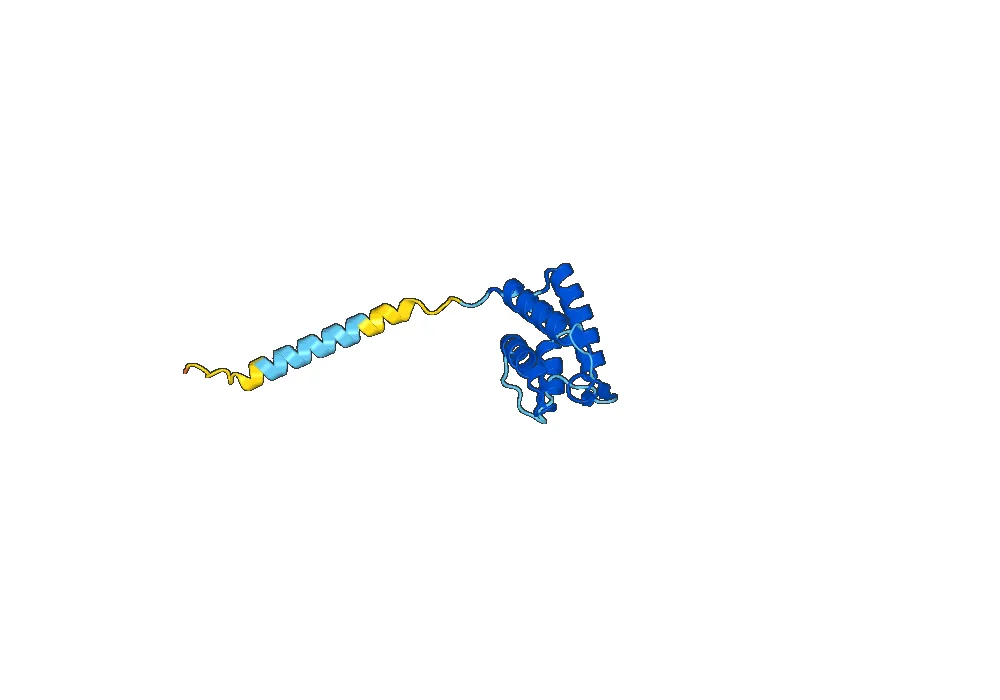
IL-13 is a pro-inflammatory cytokine that plays a crucial role in the pathogenesis of various diseases, including asthma, atopic dermatitis, and inflammatory bowel disease. It is produced by various immune cells, such as T cells and mast cells, and is known to promote inflammation and tissue damage. Cendakimab Biosimilar targets IL-13 and prevents it from binding to its receptors, thereby inhibiting its inflammatory effects.
Activity of Cendakimab Biosimilar
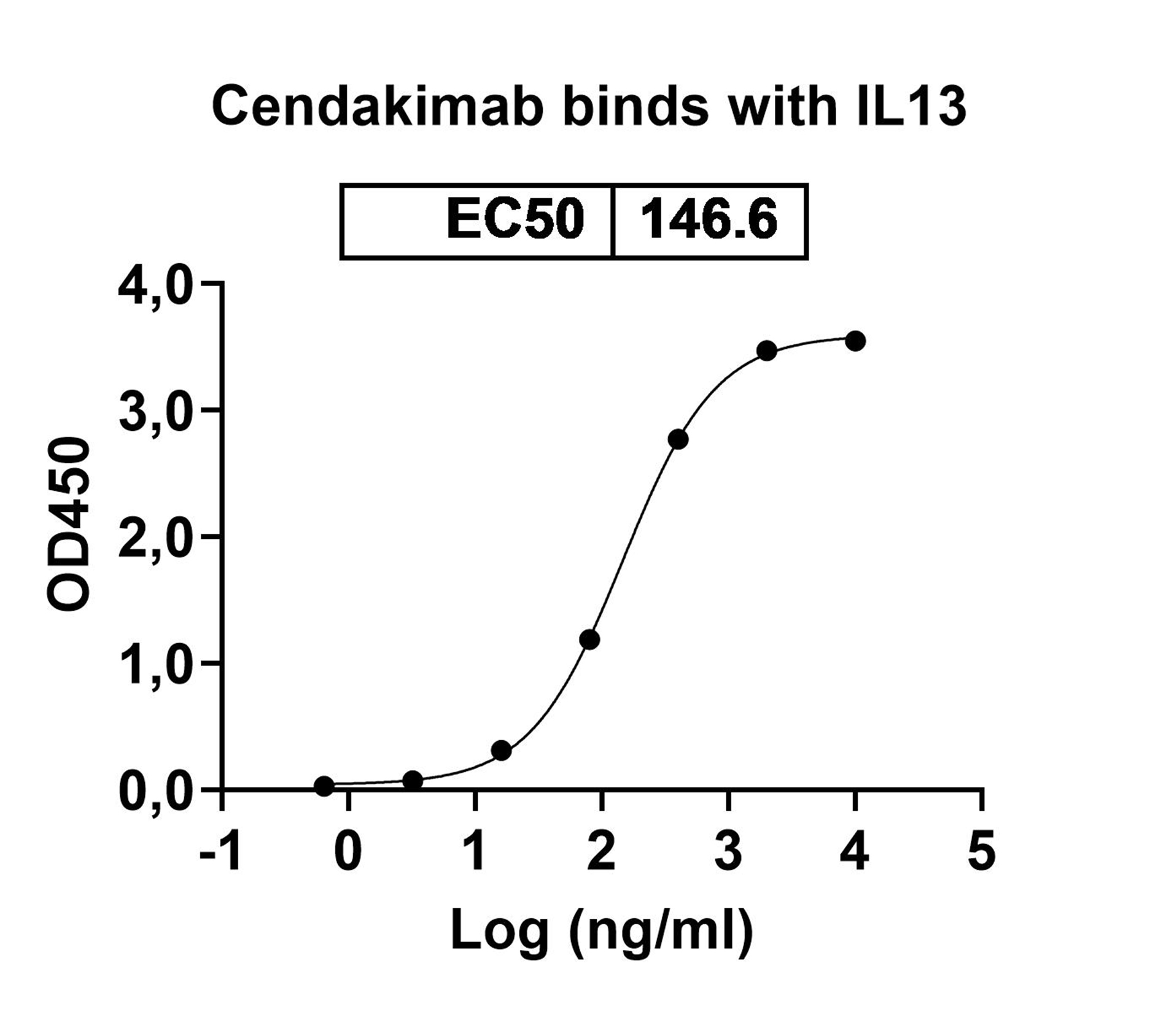
Cendakimab Biosimilar has been shown to have potent activity in preclinical studies. In vitro studies have demonstrated its ability to bind to IL-13 with high affinity and specificity, effectively blocking its interaction with its receptors. This results in the suppression of downstream signaling pathways that are responsible for the inflammatory response.
In addition, in vivo studies have shown that Cendakimab Biosimilar can effectively reduce inflammation and tissue damage in animal models of asthma, atopic dermatitis, and inflammatory bowel disease. These results highlight the potential of this biosimilar as a therapeutic agent for various inflammatory diseases.
Potential Applications
Cendakimab Biosimilar has the potential to be used in the treatment of a wide range of inflammatory diseases. Its ability to target IL-13, a key player in the pathogenesis of these diseases, makes it a promising candidate for the following conditions:
Asthma Asthma is a chronic inflammatory disease of the airways, characterized by airway hyperresponsiveness, inflammation, and remodeling. IL-13 has been implicated in the pathogenesis of asthma, and Cendakimab Biosimilar has shown promising results in preclinical studies as a potential treatment for this condition. It has the potential to reduce airway inflammation and improve lung function in patients with asthma.
Atopic Dermatitis
Atopic dermatitis is a chronic inflammatory skin disease that is characterized by intense itching, redness, and skin lesions. IL-13 has been shown to play a crucial role in the development of atopic dermatitis, and Cendakimab Biosimilar has the potential to inhibit its activity and alleviate symptoms in patients with this condition.
Inflammatory Bowel Disease
Inflammatory bowel disease (IBD) is a group of chronic inflammatory disorders of the gastrointestinal tract, including Crohn’s disease and ulcerative colitis. IL-13 has been shown to contribute to the pathogenesis of IBD, and Cendakimab Biosimilar has shown promising results in preclinical studies as a potential treatment for this condition. It has the potential to reduce inflammation and promote healing of the intestinal mucosa in patients with IBD.
Conclusion
In conclusion, Cendakimab Biosimilar is a research grade version of the original Cendakimab, which is currently in clinical trials. It is a novel therapeutic antibody that targets IL-13, a pro-inflammatory cytokine involved in the pathogenesis of various inflammatory diseases. With its potent activity and potential applications, Cendakimab Bios

There are no reviews yet.