Introduction to Botensilimab Biosimilar – Anti-CTLA4 mAb – Research Grade
Botensilimab Biosimilar is a monoclonal antibody (mAb) that targets the protein cytotoxic T-lymphocyte-associated protein 4 (CTLA4). It is a biosimilar version of the well-known anti-CTLA4 mAb, Ipilimumab, and is currently in the research phase. In this article, we will discuss the structure, activity, and potential applications of Botensilimab Biosimilar in the field of immunotherapy.
Structure of Botensilimab Biosimilar
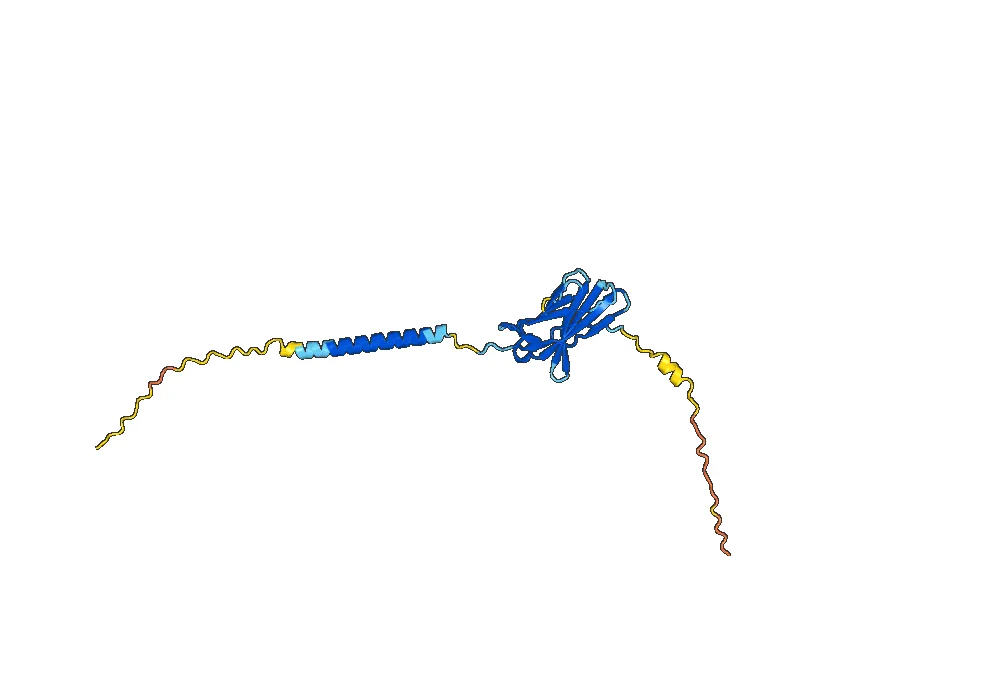
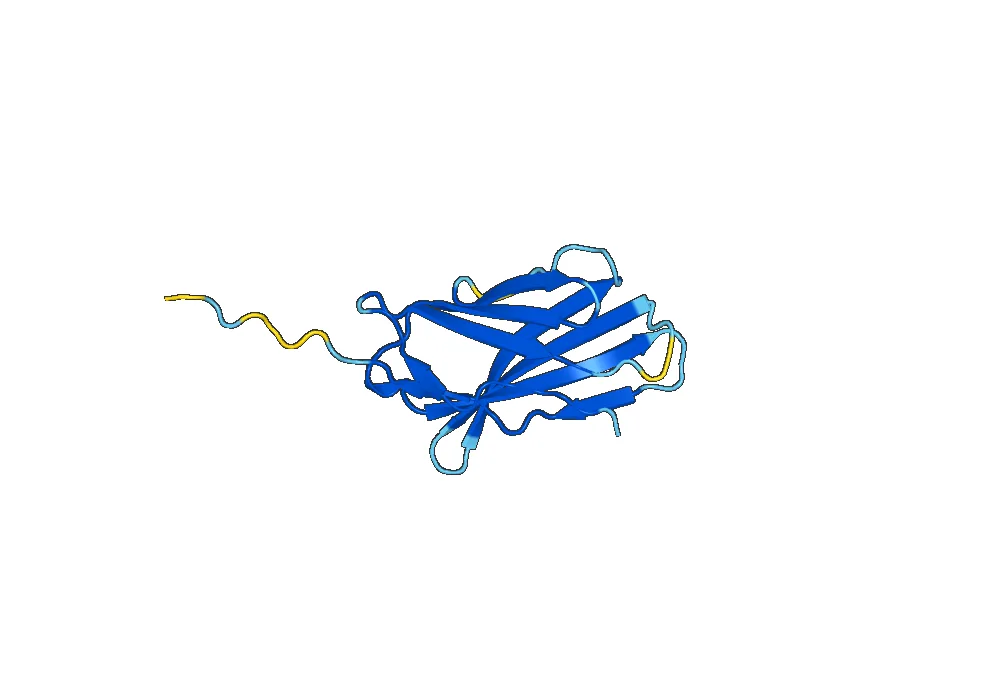
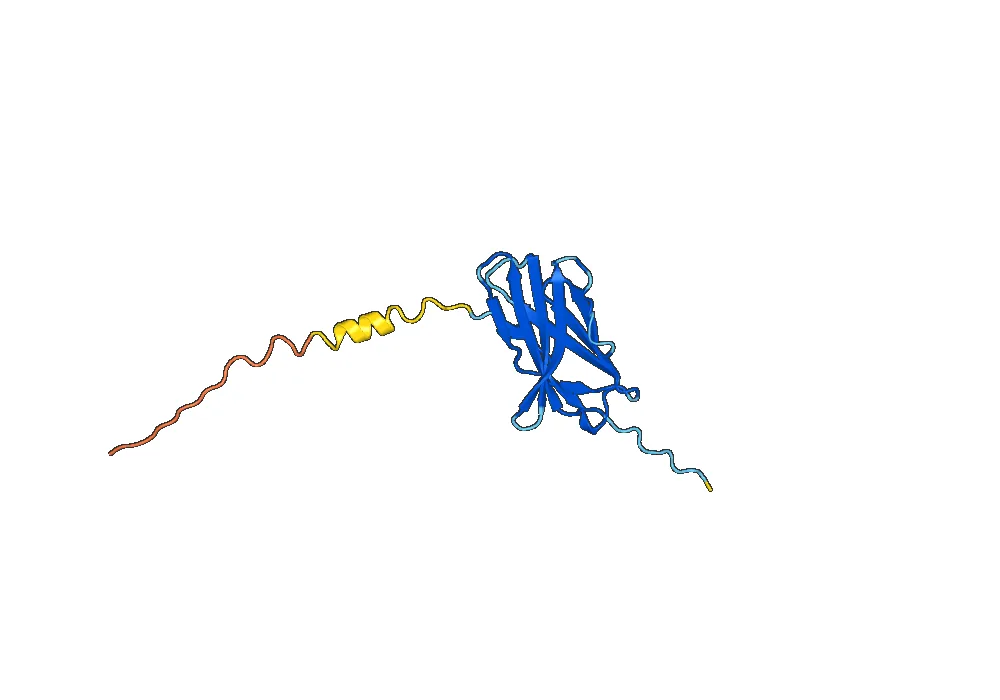
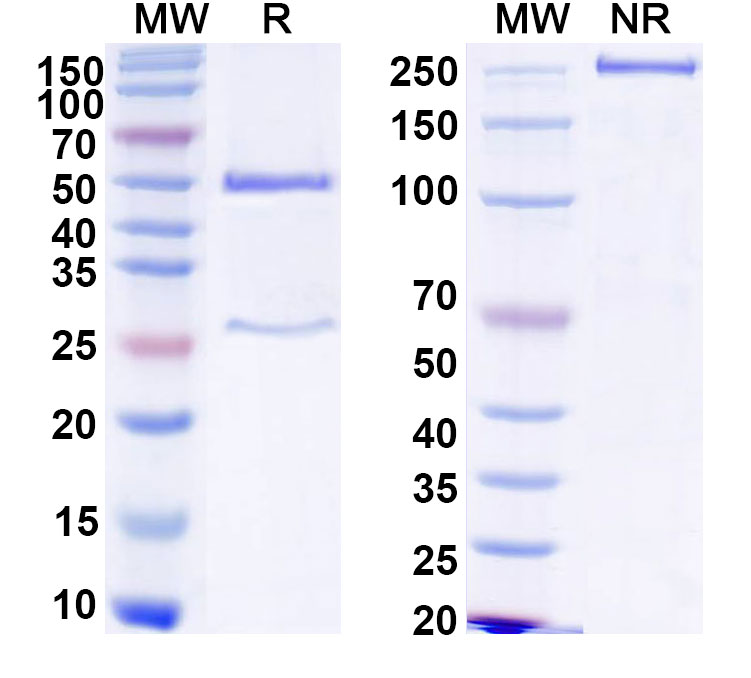
Botensilimab Biosimilar is a fully humanized IgG1 monoclonal antibody, meaning it is made up of human-derived genetic material. It is composed of two heavy chains and two light chains, each containing variable and constant regions. The variable regions of the antibody are responsible for binding to CTLA4, while the constant regions determine the antibody’s effector functions.
Activity of Botensilimab Biosimilar
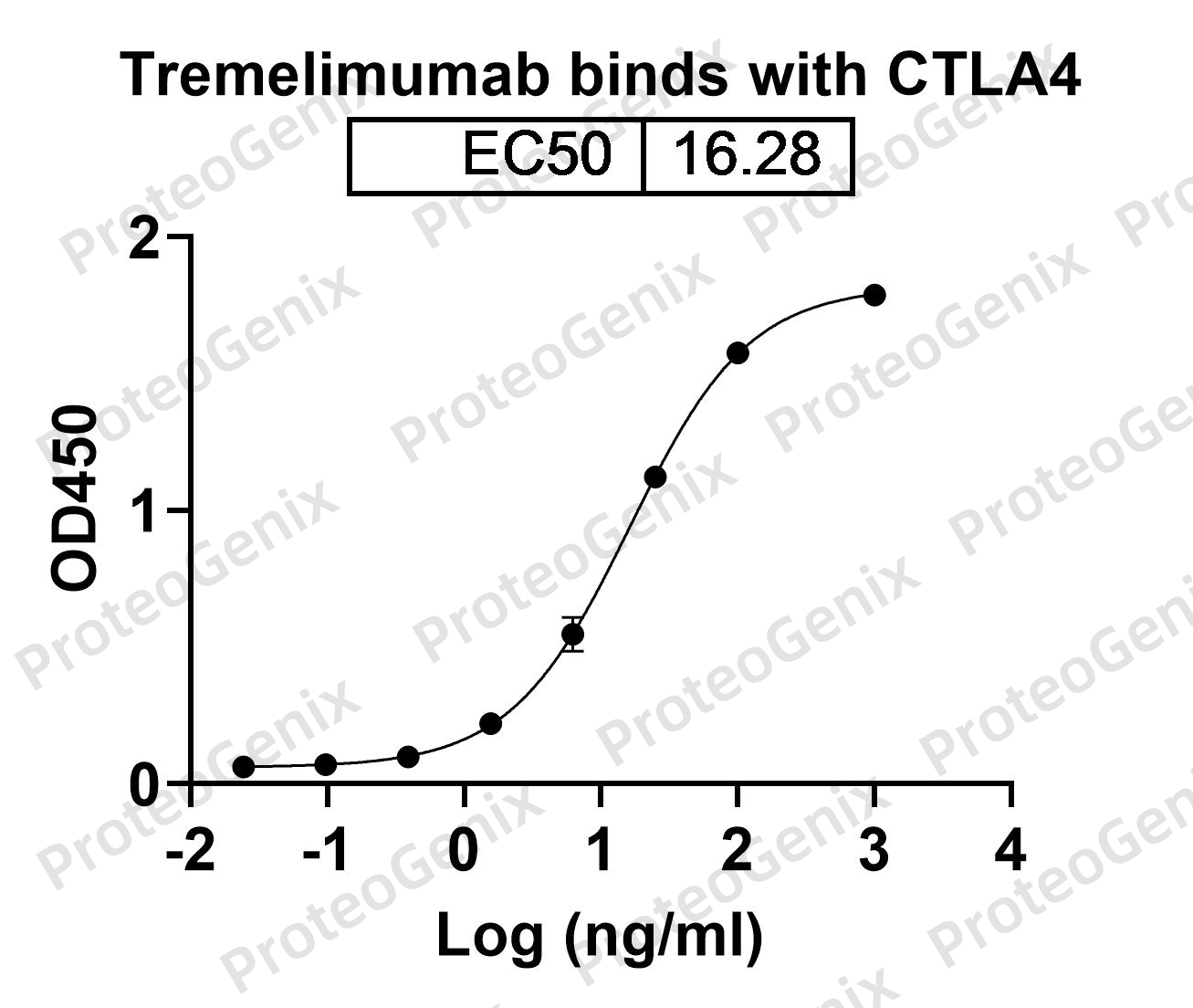
The main activity of Botensilimab Biosimilar is to block the activity of CTLA4, a protein that negatively regulates the immune response. By binding to CTLA4, Botensilimab Biosimilar prevents it from interacting with its ligands, CD80 and CD86, on antigen-presenting cells. This results in the activation and proliferation of T cells, which play a crucial role in fighting against cancer cells and other pathogens.
Moreover, Botensilimab Biosimilar also has the potential to induce antibody-dependent cell-mediated cytotoxicity (ADCC) and complement-dependent cytotoxicity (CDC). These effector functions can further enhance the destruction of cancer cells by recruiting other immune cells and activating the complement system, respectively.
Therapeutic Applications of Botensilimab Biosimilar
Botensilimab Biosimilar has shown promising results in preclinical studies and is currently being evaluated in clinical trials for the treatment of various types of cancer, including melanoma, lung cancer, and bladder cancer. It is also being investigated as a potential therapy for autoimmune diseases, such as rheumatoid arthritis and multiple sclerosis.
In cancer treatment, Botensilimab Biosimilar can be used as a monotherapy or in combination with other immunotherapies, such as checkpoint inhibitors and adoptive cell therapy. By blocking the inhibitory signals of CTLA4, Botensilimab Biosimilar can enhance the anti-tumor immune response and potentially improve the efficacy of these therapies.
In autoimmune diseases, Botensilimab Biosimilar can help restore the balance of the immune system by inhibiting the overactive T cells that attack healthy tissues. This can potentially alleviate symptoms and slow down disease progression.
Conclusion
In summary, Botensilimab Biosimilar is a promising anti-CTLA4 mAb that has the potential to be an effective immunotherapy for cancer and autoimmune diseases. Its unique structure and mechanism of action make it a valuable addition to the current arsenal of immunotherapies. Further research and clinical trials are needed to fully understand its potential and determine its safety and efficacy in treating various diseases.

There are no reviews yet.