Title: Blisibimod Biosimilar: A Promising Antibody for Targeting BAFF in Therapeutic Applications
Introduction
Blisibimod Biosimilar is a novel fusion protein that has gained significant attention in the field of immunology due to its potential as a therapeutic agent. This fusion protein is a biosimilar of blisibimod, a humanized monoclonal antibody that targets B-cell activating factor (BAFF). In this article, we will explore the structure, activity, and potential applications of Blisibimod Biosimilar as a research-grade antibody.
Structure of Blisibimod Biosimilar
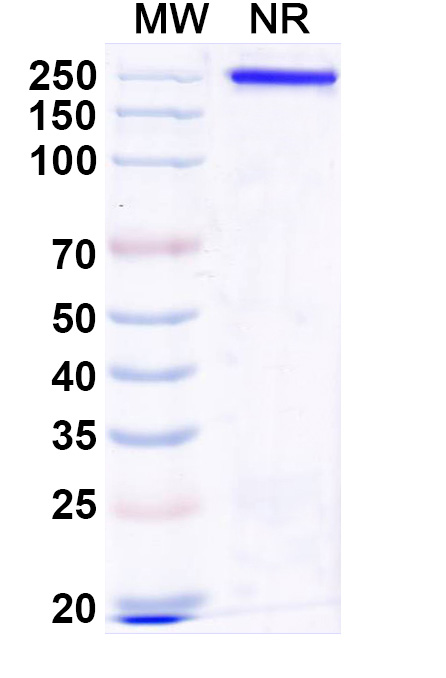
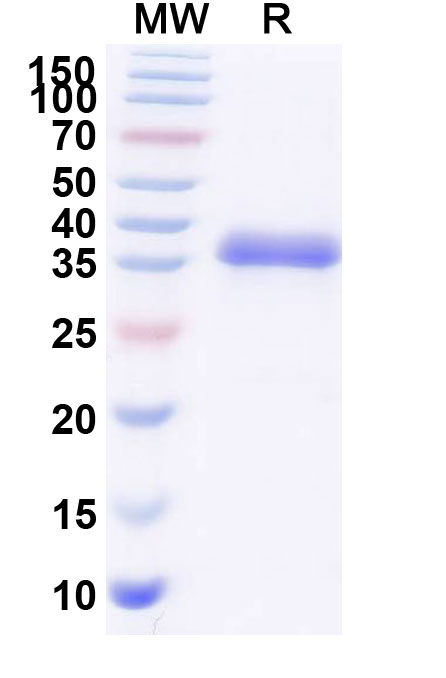
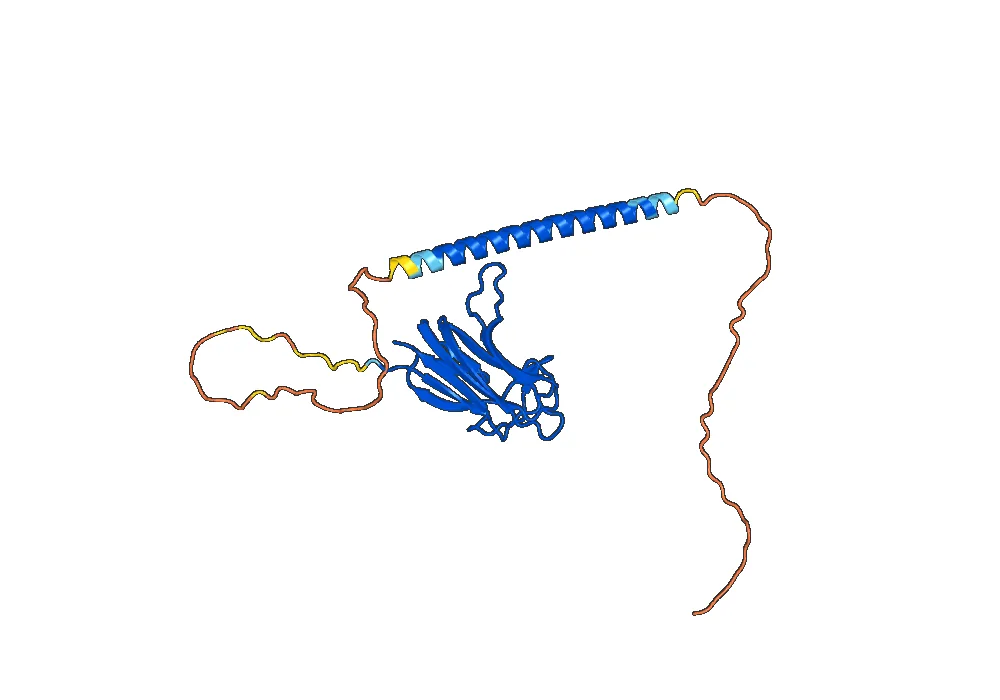
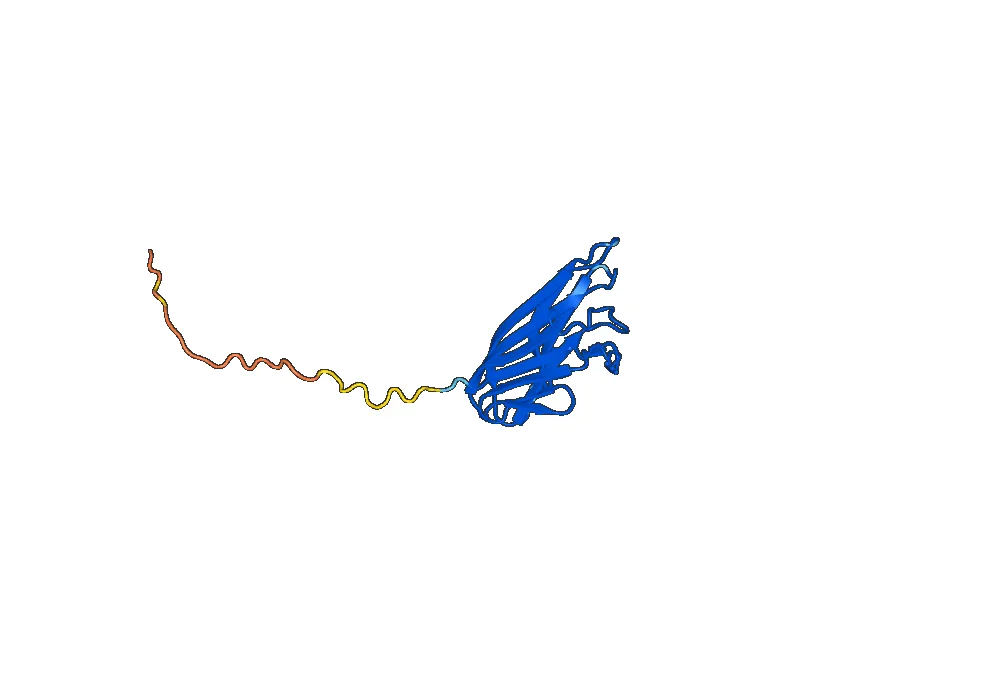
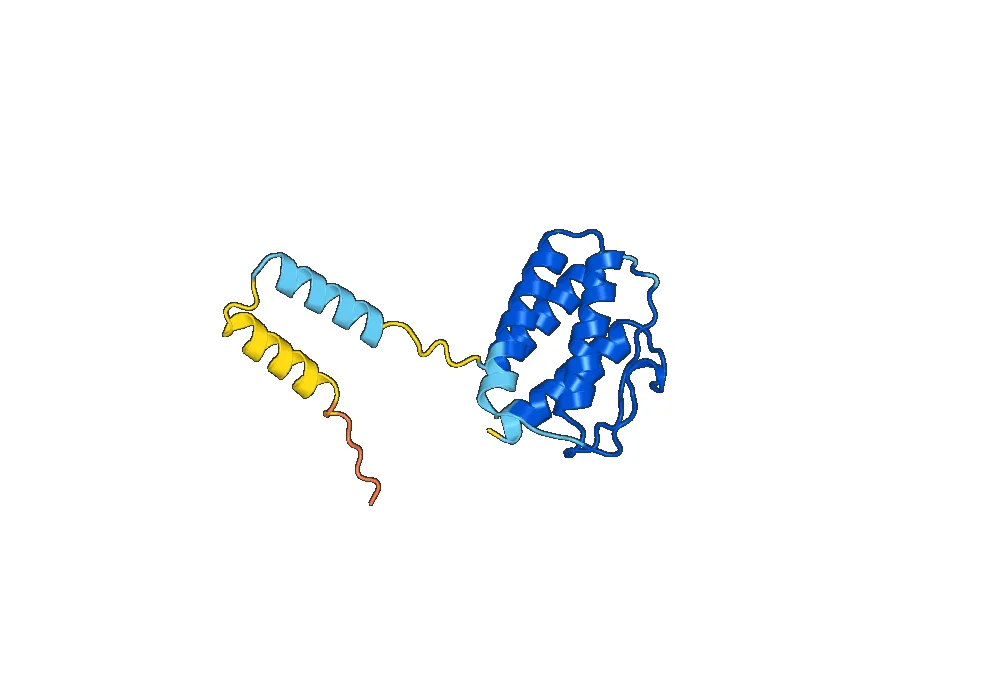
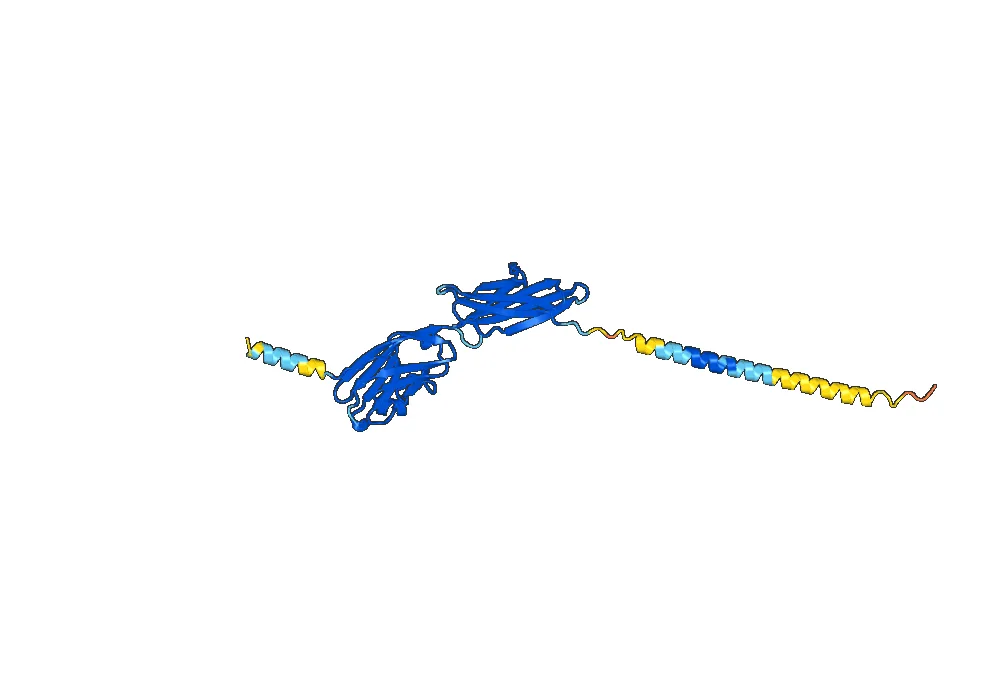
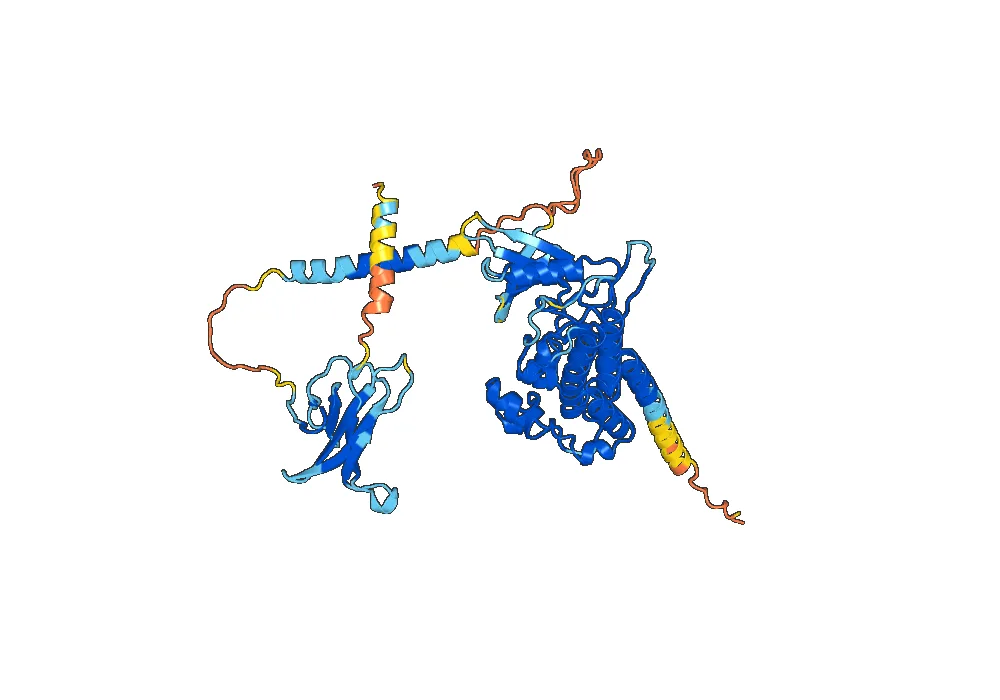
Blisibimod Biosimilar is a fusion protein composed of two distinct domains: an anti-BAFF antibody and a human IgG1 Fc region. The anti-BAFF antibody region is responsible for specifically binding to BAFF, while the Fc region provides stability and effector functions. The antibody region is derived from the variable regions of a mouse monoclonal antibody, which has been humanized to minimize immunogenicity. The Fc region is a modified version of the human IgG1 Fc region, which has been optimized for increased binding affinity to Fc gamma receptors and complement proteins.
Activity of Blisibimod Biosimilar
The primary target of Blisibimod Biosimilar is BAFF, a cytokine that plays a crucial role in B-cell survival and maturation. BAFF is overexpressed in various autoimmune diseases, such as systemic lupus erythematosus (SLE), rheumatoid arthritis, and multiple sclerosis. By binding to BAFF, Blisibimod Biosimilar blocks its interaction with its receptors, inhibiting BAFF-mediated B-cell survival and maturation. This leads to a reduction in autoantibody production and inflammation, making Blisibimod Biosimilar a promising therapeutic agent for autoimmune diseases.
Application of Blisibimod Biosimilar
Blisibimod Biosimilar is currently being developed as a research-grade antibody for preclinical studies. Its potential as a therapeutic agent has been demonstrated in various animal models of autoimmune diseases. In a preclinical study on a mouse model of SLE, treatment with Blisibimod Biosimilar resulted in a significant decrease in disease activity and autoantibody production. Furthermore, in a mouse model of rheumatoid arthritis, Blisibimod Biosimilar showed efficacy in reducing joint inflammation and bone damage.
Apart from its potential as a therapeutic agent, Blisibimod Biosimilar can also be used as a research tool for studying the role of BAFF in various autoimmune diseases. Its high specificity and affinity for BAFF make it a valuable tool for investigating the BAFF pathway and its involvement in disease pathogenesis. Additionally, Blisibimod Biosimilar can be used in diagnostic assays to measure BAFF levels in patient samples, providing valuable insights into disease progression and treatment response.
Conclusion
Blisibimod Biosimilar is a promising antibody for targeting BAFF in therapeutic applications. Its unique structure, with an anti-BAFF antibody region and a human IgG1 Fc region, allows for high specificity and efficacy in blocking the BAFF pathway. As a research-grade antibody, Blisibimod Biosimilar has shown potential in preclinical studies for various autoimmune diseases. In the future, it holds promise as a therapeutic agent for these diseases and as a valuable tool for research and diagnostics.

There are no reviews yet.