Introduction
Besilesomab Biosimilar, also known as Anti-CEACAM8, CD66b mAb, is a monoclonal antibody that targets the protein CEACAM8, also known as CD66b. This protein is a member of the carcinoembryonic antigen-related cell adhesion molecule (CEACAM) family and is primarily expressed on the surface of neutrophils and eosinophils. Besilesomab Biosimilar has been extensively studied for its potential therapeutic applications in various diseases.
Structure
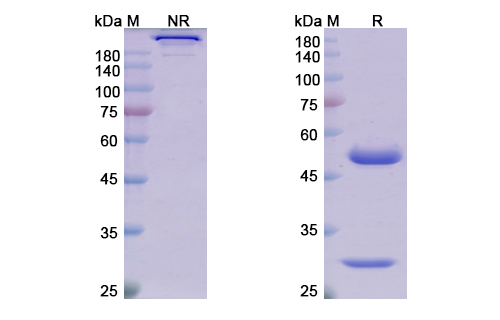
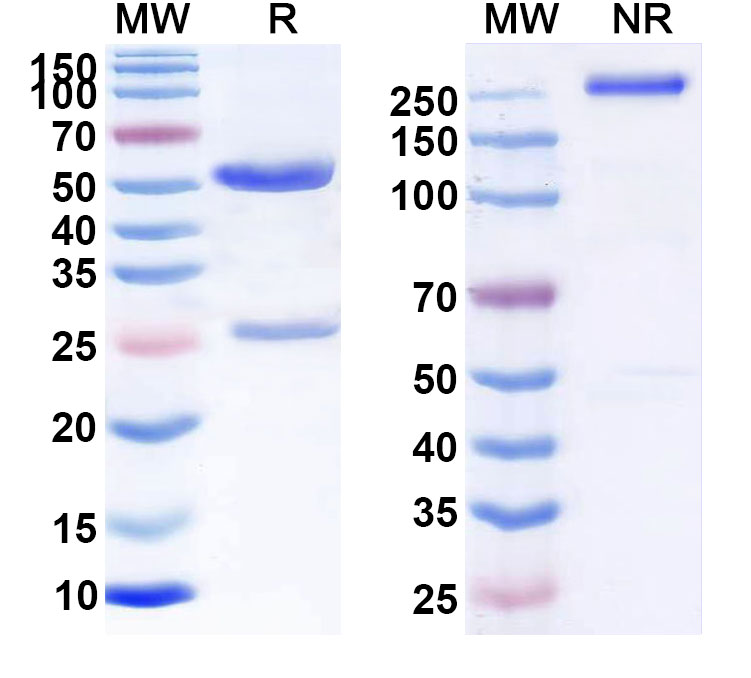
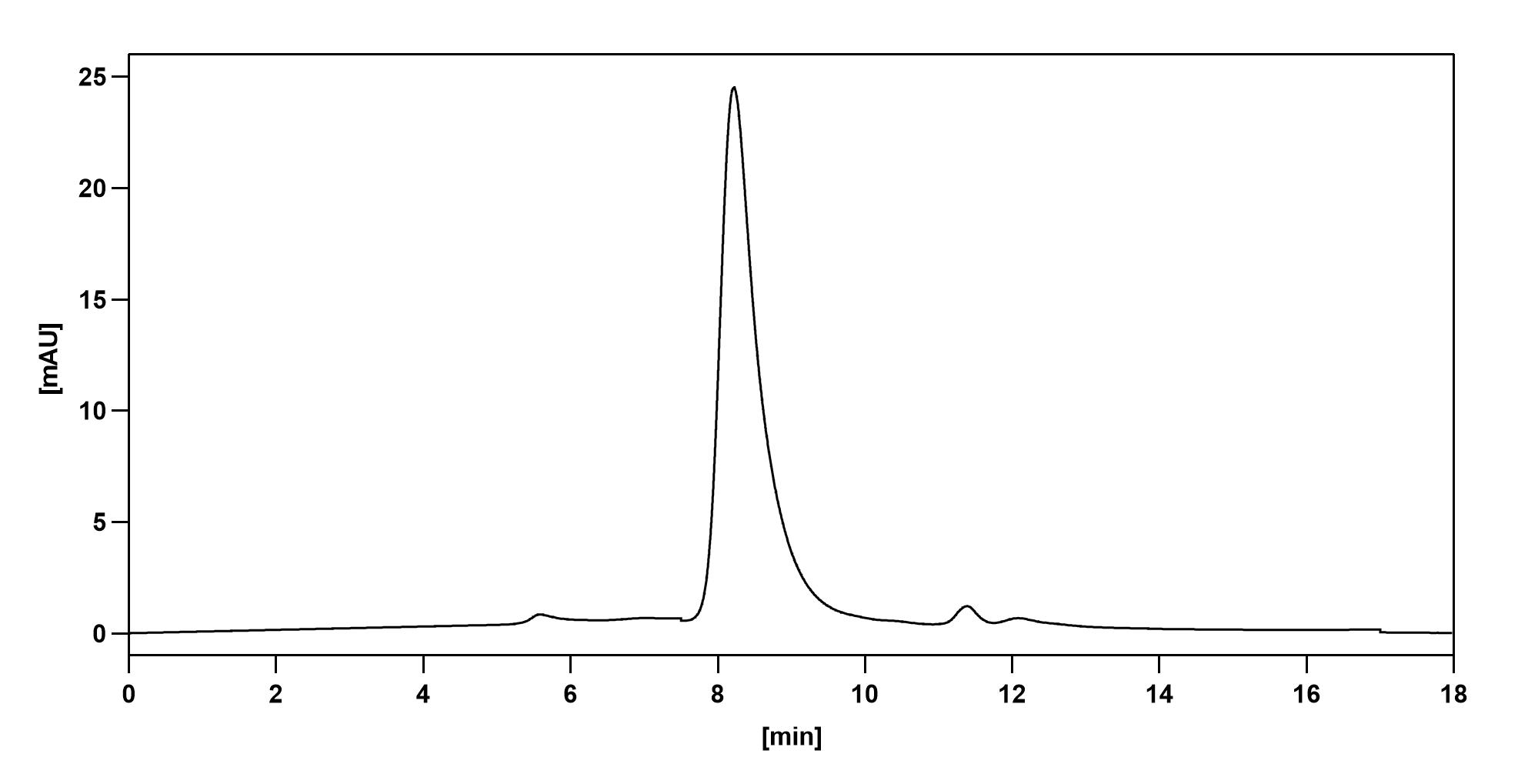
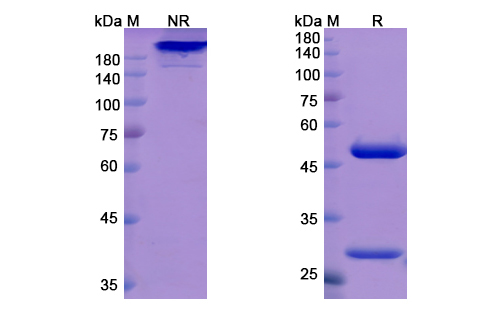
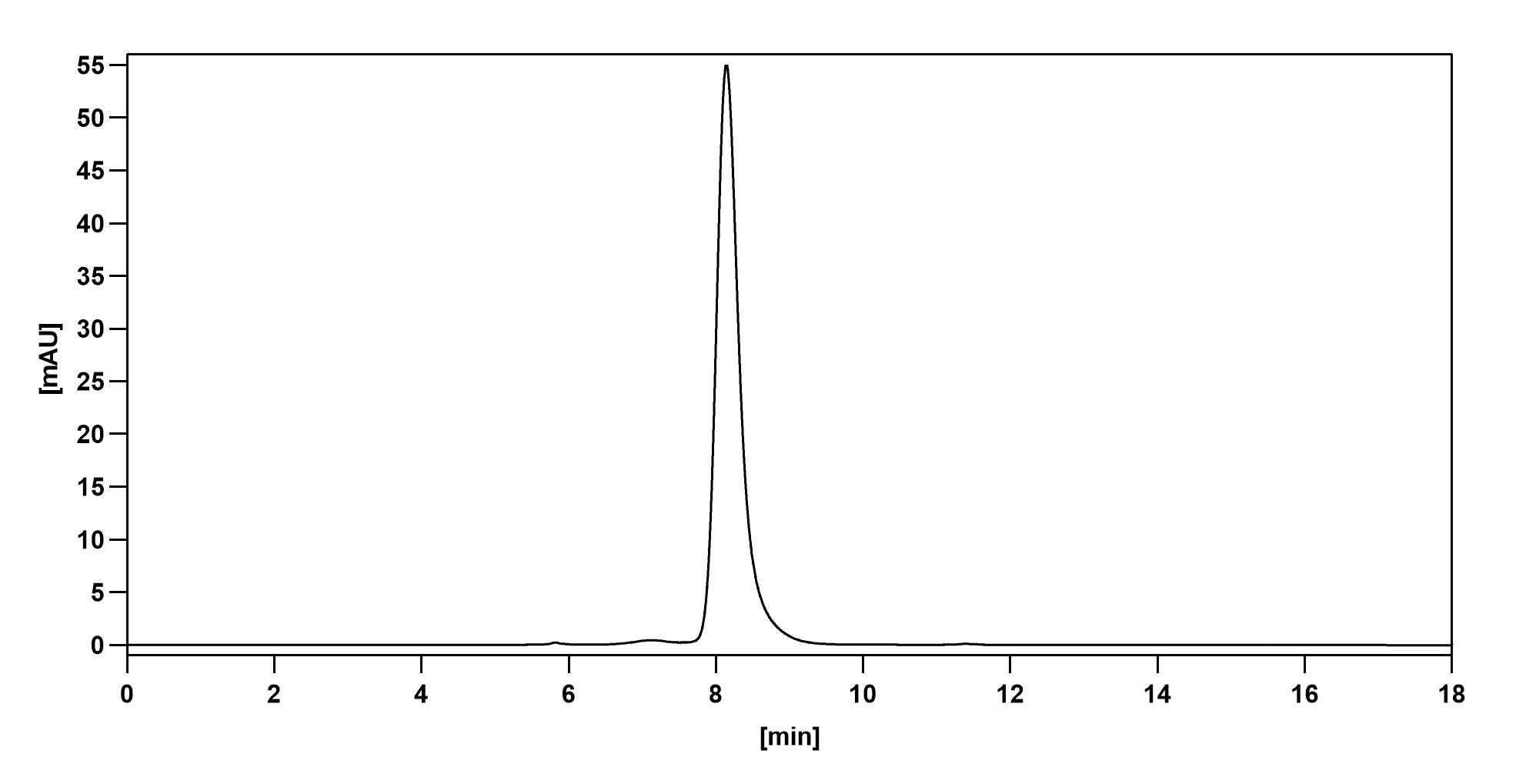
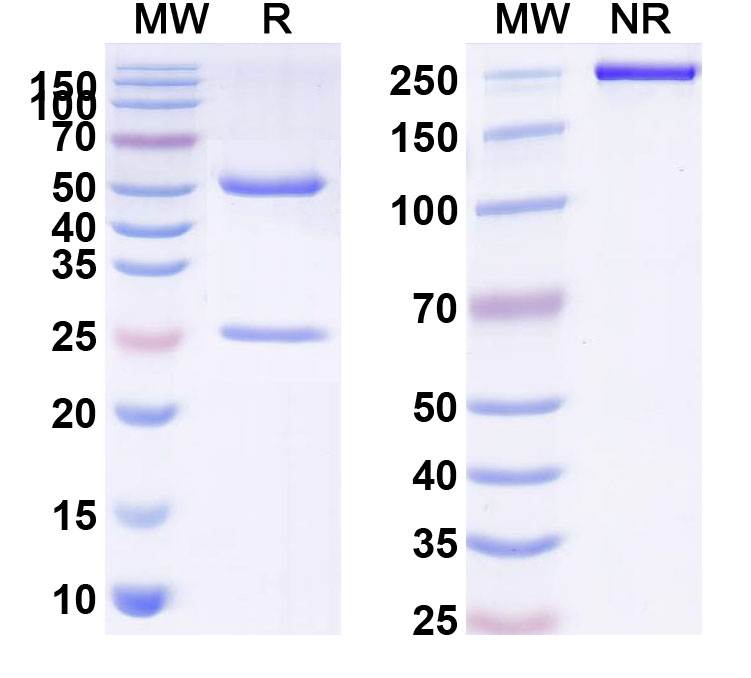
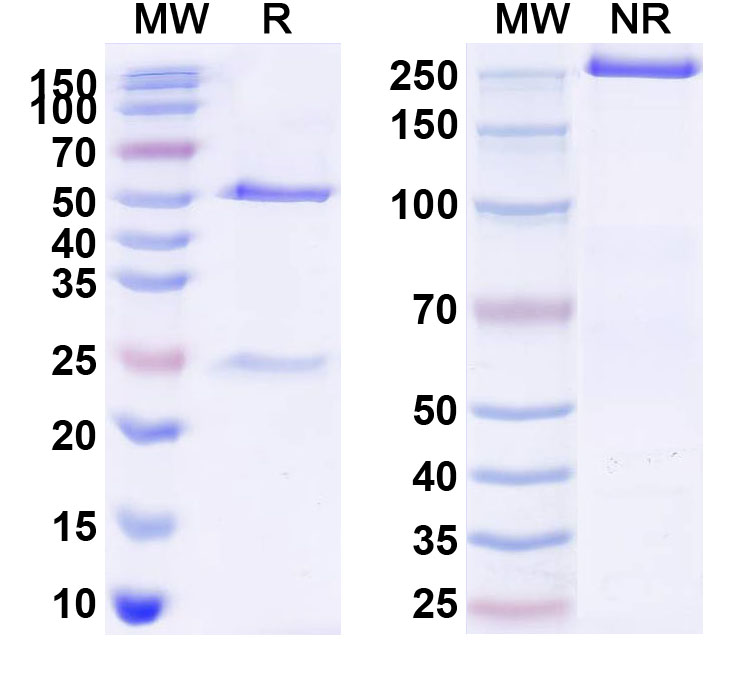
Besilesomab Biosimilar is a recombinant humanized monoclonal antibody, meaning it is produced in the laboratory using genetic engineering techniques. It is composed of two heavy chains and two light chains, each consisting of amino acids. The antibody has a molecular weight of approximately 150 kDa and belongs to the immunoglobulin G (IgG) class. It has a similar structure to the human antibody, with the exception of a few amino acid substitutions to make it more stable and less immunogenic.
Activity
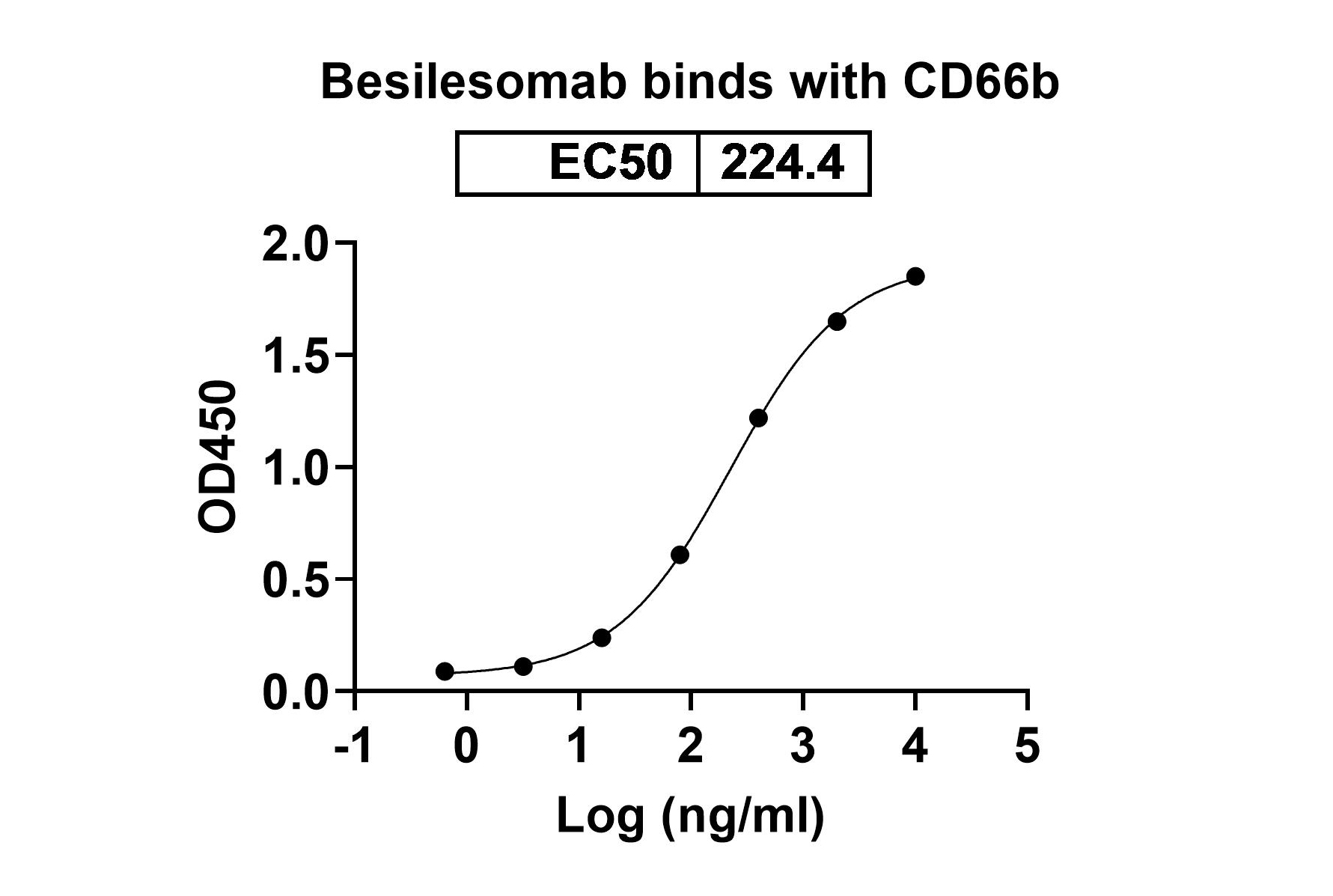
Besilesomab Biosimilar specifically binds to CEACAM8 on the surface of neutrophils and eosinophils. This binding triggers a cascade of events that leads to the activation of these immune cells. It promotes the release of inflammatory mediators and enhances the phagocytic activity of neutrophils and eosinophils. This activity is crucial in the body’s defense against bacterial and parasitic infections, making Besilesomab Biosimilar a potential therapeutic agent in these conditions.
Besilesomab Biosimilar has also been shown to have anti-inflammatory effects. It can inhibit the production of pro-inflammatory cytokines and reduce the recruitment of immune cells to sites of inflammation. This makes it a promising candidate for the treatment of inflammatory diseases such as rheumatoid arthritis and inflammatory bowel disease.
Application
Besilesomab Biosimilar is currently being investigated for its potential therapeutic applications in various diseases. Some of the key areas of research include:
Infectious diseases As Besilesomab Biosimilar targets CEACAM8, which is primarily expressed on neutrophils and eosinophils, it has been studied for its potential in treating infections caused by these immune cells. This includes conditions such as sepsis, pneumonia, and skin infections caused by Staphylococcus aureus. Clinical trials have shown promising results, with Besilesomab Biosimilar demonstrating efficacy in reducing the severity and duration of these infections.
Inflammatory diseases
Besilesomab Biosimilar has also shown potential in treating inflammatory diseases such as rheumatoid arthritis and inflammatory bowel disease. Studies have shown that it can reduce inflammation and improve symptoms in patients with these conditions. It is believed that the anti-inflammatory effects of Besilesomab Biosimilar are due to its ability to inhibit the production of pro-inflammatory cytokines and reduce the recruitment of immune cells to sites of inflammation.
Cancer
CEACAM8 is also overexpressed in certain types of cancer, including colon, breast, and lung cancer. Besilesomab Biosimilar has been studied for its potential in targeting and killing these cancer cells. Early studies have shown promising results, and further research is ongoing to determine its efficacy as a cancer treatment.
Conclusion
Besilesomab Biosimilar is a recombinant humanized monoclonal antibody that specifically targets CEACAM8 on the surface of neutrophils and eosinophils. It has been extensively studied for its potential therapeutic applications in various diseases, including infectious and inflammatory diseases, as well as cancer. Clinical trials have shown promising results, and further research is ongoing to determine its efficacy and safety as a therapeutic agent. Besilesomab Biosimilar has the potential to be a valuable addition to the current treatment options for these diseases.


There are no reviews yet.