Bersanlimab Biosimilar: A Revolutionary Anti-ICAM1 Antibody for Targeted Therapy
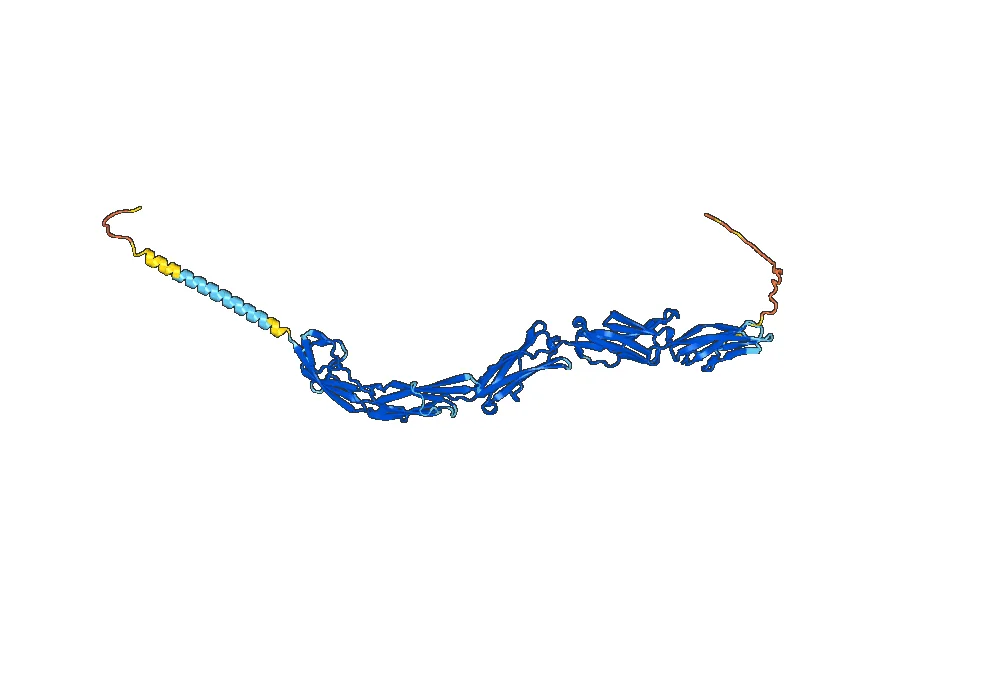
Bersanlimab Biosimilar, also known as Anti-ICAM1, CD54 mAb, is a novel monoclonal antibody that has gained significant attention in the scientific community for its potential therapeutic applications. This biosimilar is designed to target intercellular adhesion molecule 1 (ICAM1), a cell surface protein that plays a crucial role in inflammation and immune response. In this article, we will explore the structure, activity, and potential applications of Bersanlimab Biosimilar as a research-grade antibody.
Structure of Bersanlimab Biosimilar
Bersanlimab Biosimilar is a recombinant humanized monoclonal antibody, meaning it is produced by genetically modifying human cells to express a specific antibody. It is composed of two identical heavy chains and two identical light chains, each consisting of a variable region and a constant region. The variable region is responsible for binding to the target protein, ICAM1, while the constant region determines the antibody’s effector functions.
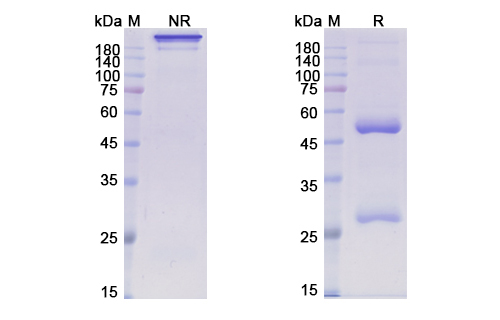
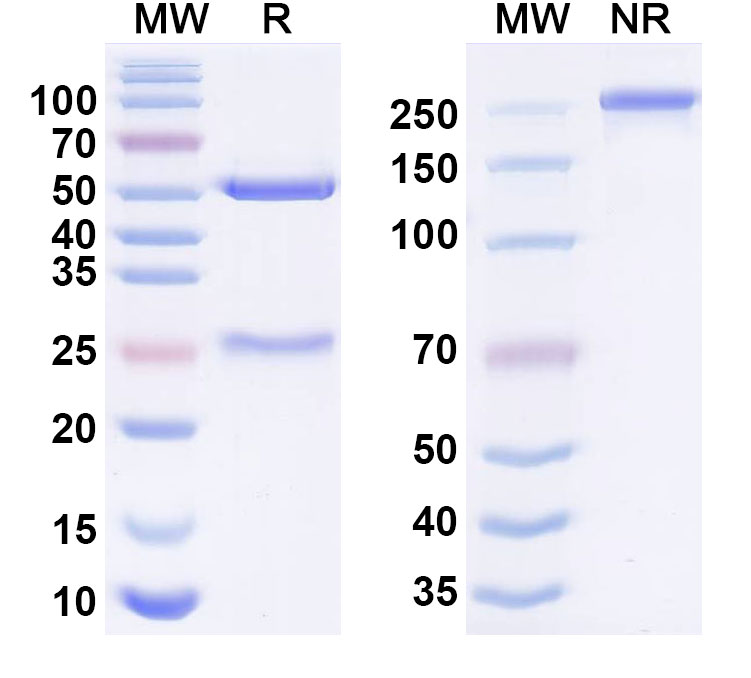
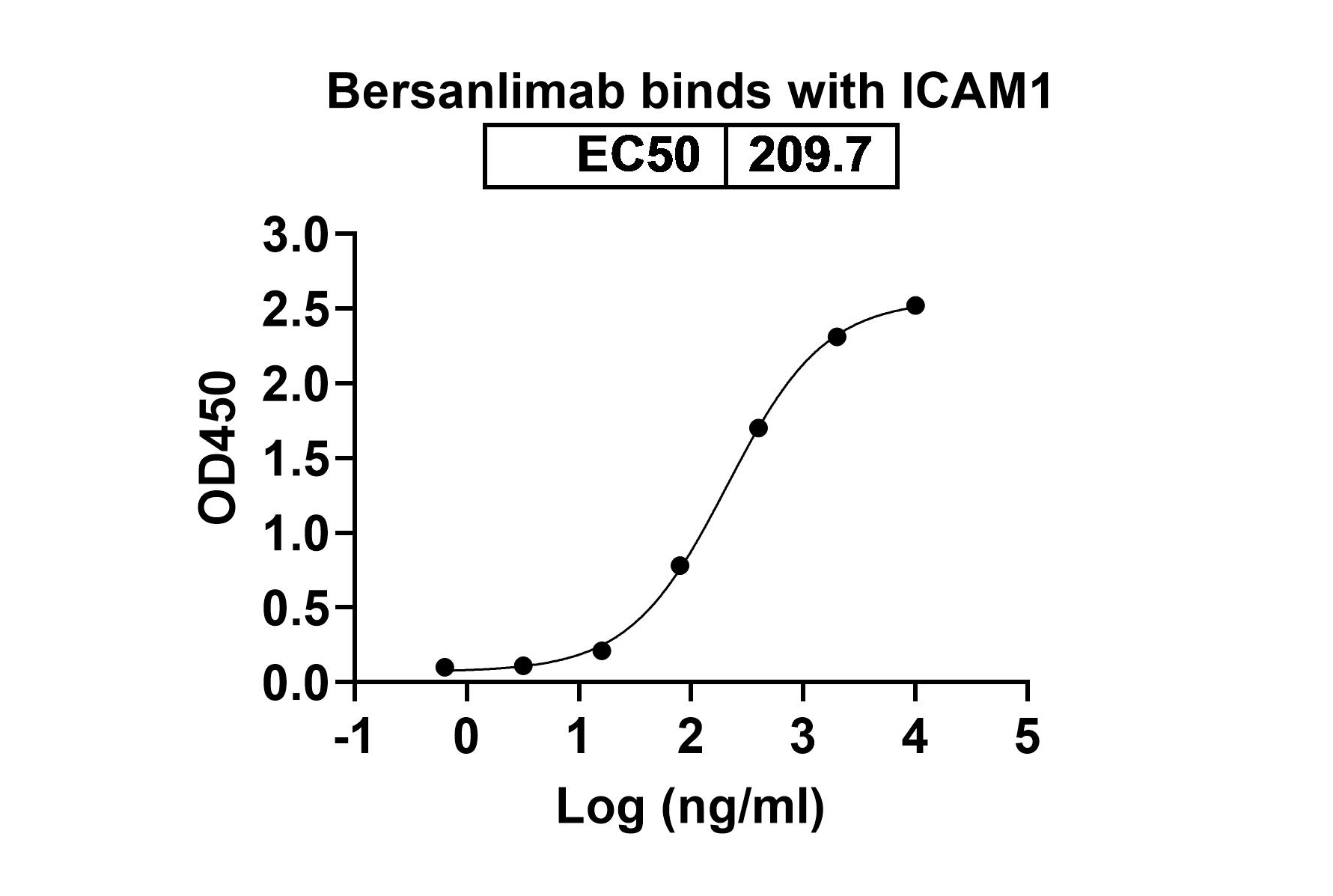
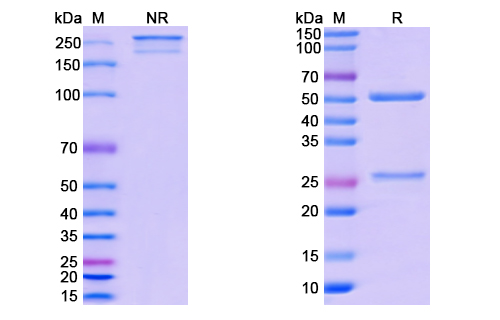
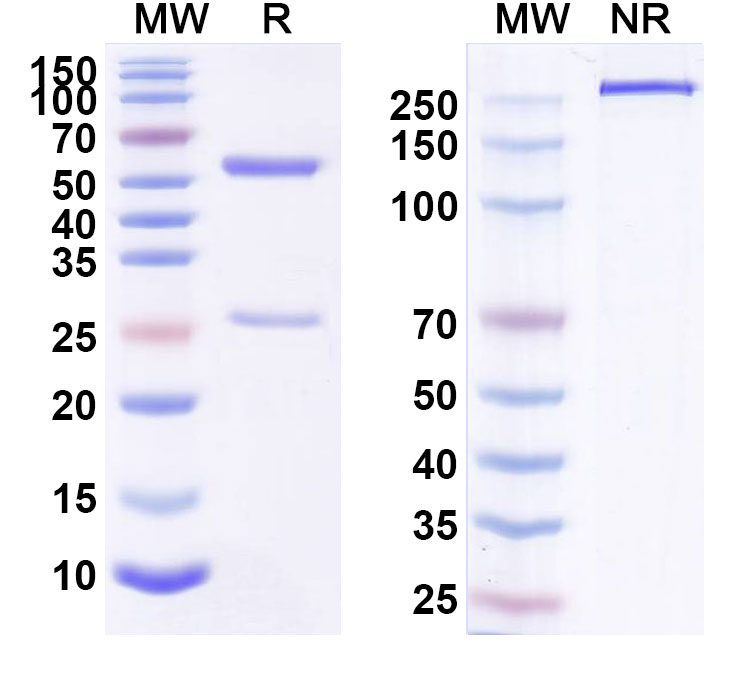
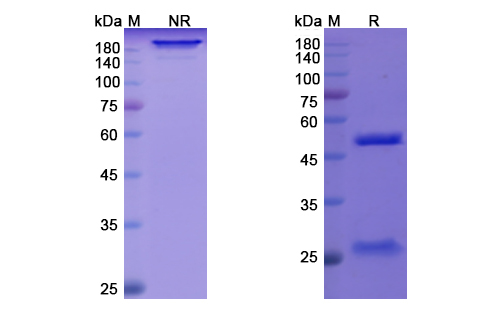
The antibody has a molecular weight of approximately 150 kDa and a half-life of 21 days in humans. It is produced in a mammalian cell expression system, ensuring high purity and stability. The specific sequence and structure of Bersanlimab Biosimilar have been carefully engineered to enhance its binding affinity and specificity towards ICAM1.
Mechanism of Action
The primary function of Bersanlimab Biosimilar is to inhibit the interaction between ICAM1 and its receptor, leukocyte function-associated antigen-1 (LFA-1). This interaction is crucial for the recruitment and activation of immune cells, such as T cells, in inflammatory processes. By blocking this interaction, Bersanlimab Biosimilar can prevent the excessive activation of immune cells and reduce inflammation.
Moreover, Bersanlimab Biosimilar can also induce antibody-dependent cellular cytotoxicity (ADCC) and complement-dependent cytotoxicity (CDC). These effector functions involve the recruitment of immune cells and the activation of the complement system to eliminate target cells. This makes Bersanlimab Biosimilar a potent therapeutic agent for targeting ICAM1-expressing cells in various diseases.
Applications of Bersanlimab Biosimilar
Bersanlimab Biosimilar has shown promising results in preclinical studies for its potential to treat a wide range of diseases associated with ICAM1 overexpression. These include autoimmune diseases, such as multiple sclerosis and rheumatoid arthritis, as well as inflammatory disorders, such as asthma and psoriasis.
Additionally, Bersanlimab Biosimilar has also demonstrated potential in cancer therapy. ICAM1 is known to be overexpressed in various types of cancer, promoting tumor growth and metastasis. By targeting ICAM1, Bersanlimab Biosimilar can inhibit these processes and potentially improve the response to other cancer treatments.
As a research-grade antibody, Bersanlimab Biosimilar is also widely used in basic and clinical research to study the role of ICAM1 in various diseases. Its high specificity and potency make it a valuable tool for investigating the mechanisms of action and potential therapeutic applications of targeting ICAM1.
Conclusion
Bersanlimab Biosimilar is a revolutionary anti-ICAM1 antibody with a unique structure and mechanism of action. Its ability to specifically target ICAM1 and inhibit its functions make it a promising therapeutic agent for various diseases. As a research-grade antibody, it has also proven to be a valuable tool for studying the role of ICAM1 in different pathologies. With ongoing clinical trials, Bersanlimab Biosimilar has the potential to become a game-changing treatment option for many patients in need.



There are no reviews yet.