Introduction to Aprutumab Biosimilar
Aprutumab Biosimilar, also known as Anti-FGFR2 mAb, is a monoclonal antibody that targets the fibroblast growth factor receptor 2 (FGFR2). This biosimilar is a highly specific and potent therapeutic agent that has shown promising results in pre-clinical and clinical studies. In this article, we will delve into the structure, activity, and application of Aprutumab Biosimilar in the field of antibody-based therapy.
The Structure of Aprutumab Biosimilar
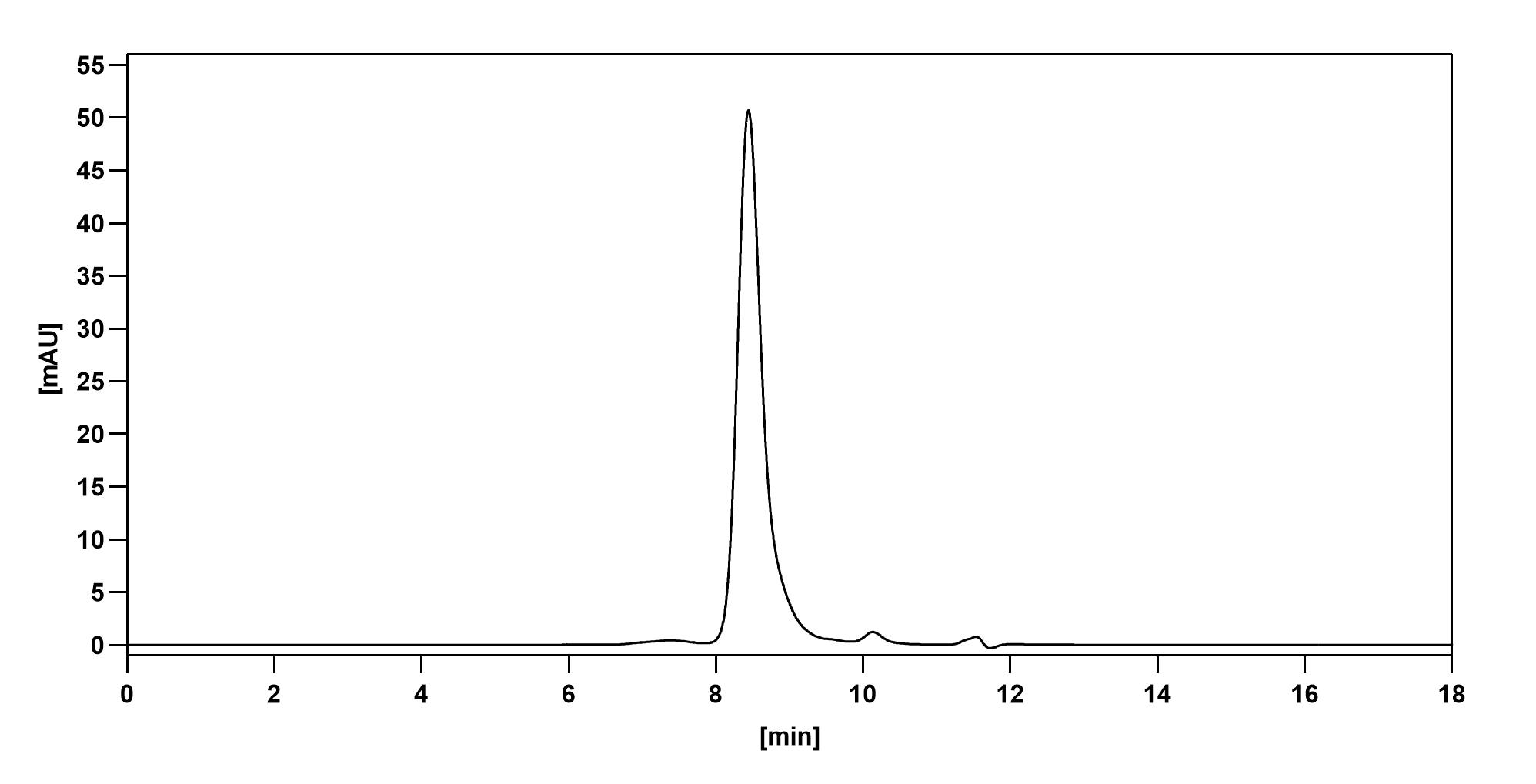
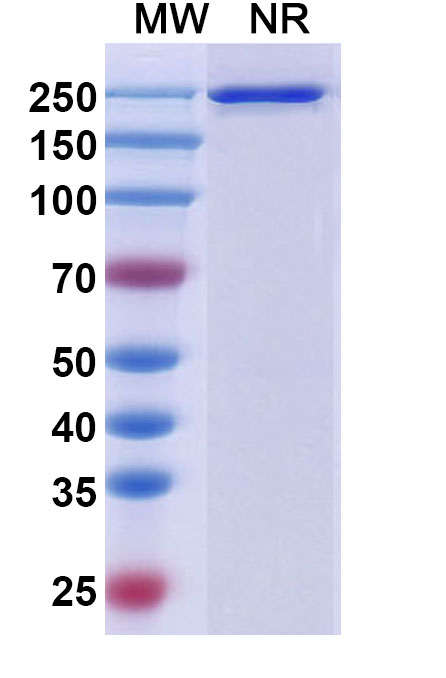
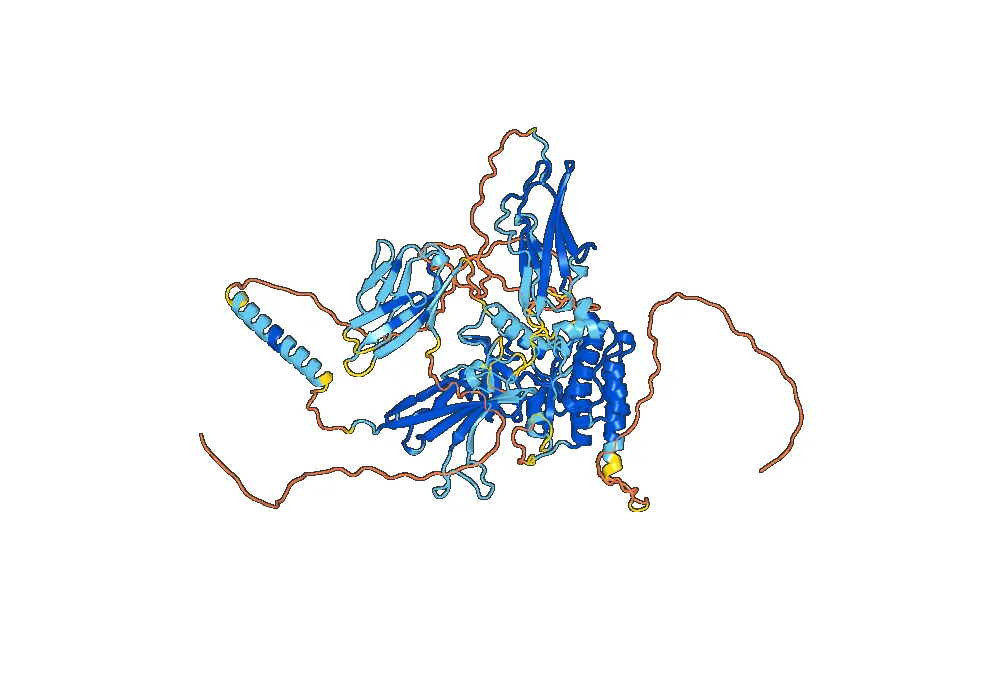
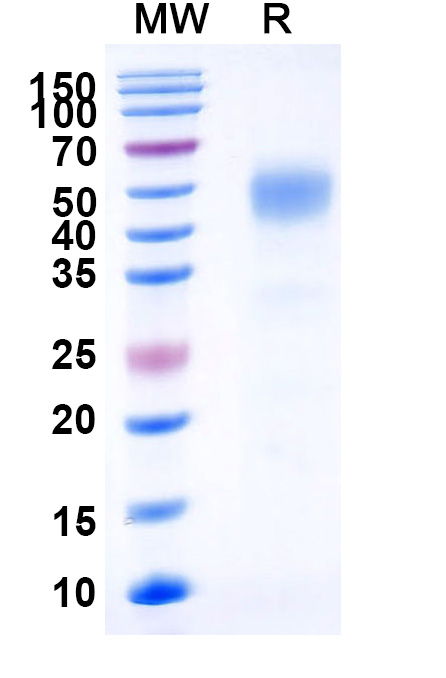
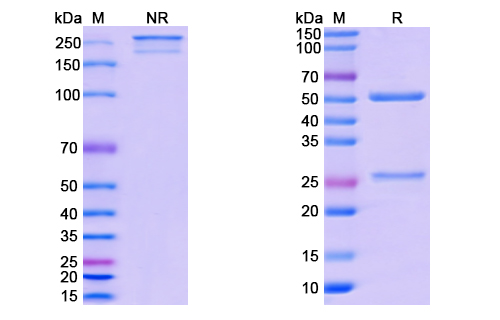
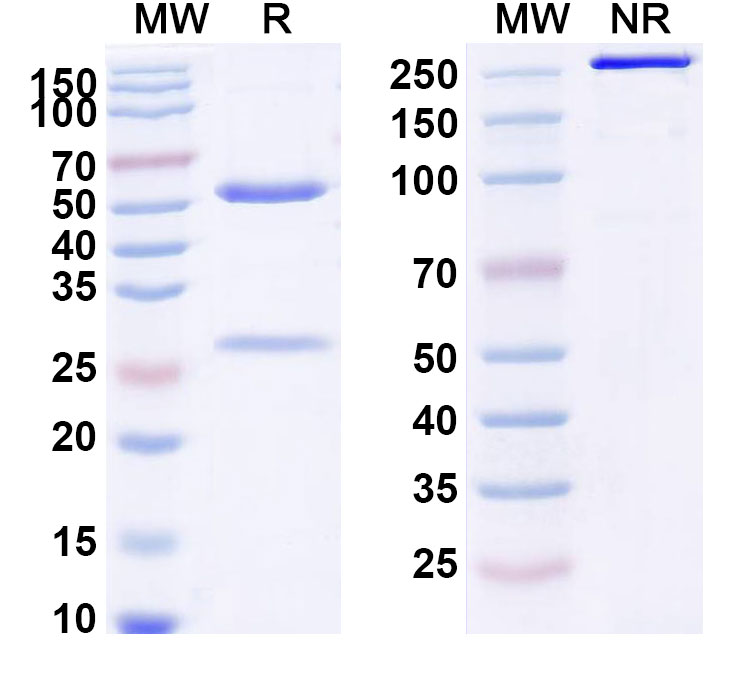
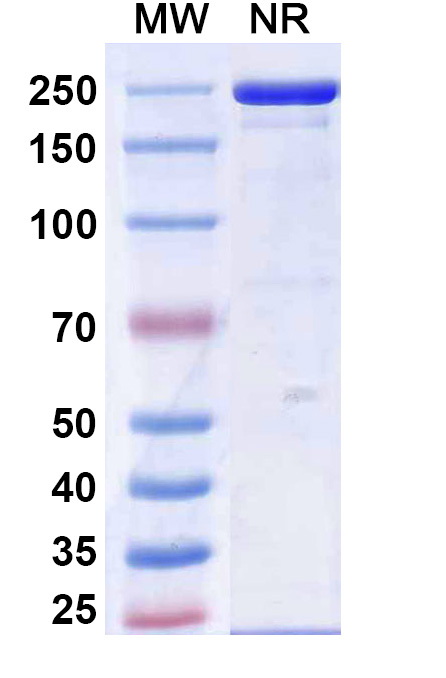
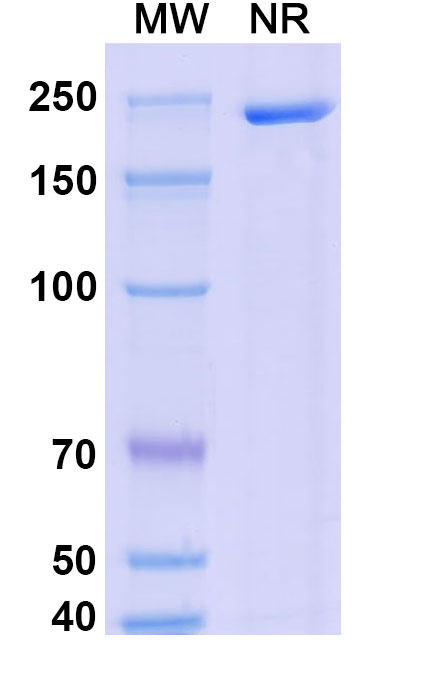
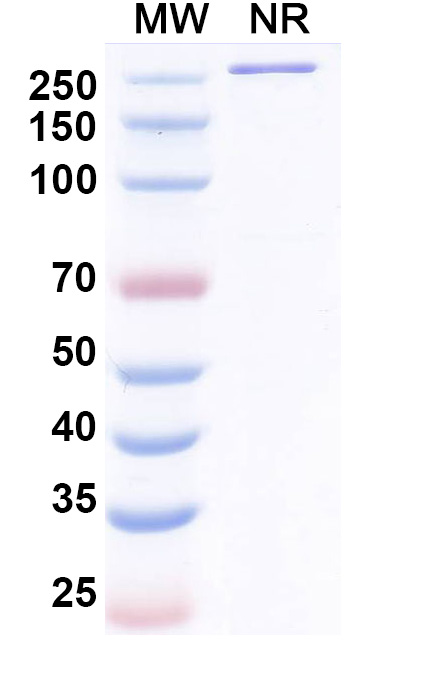
Aprutumab Biosimilar is a recombinant humanized monoclonal antibody that is produced using advanced biotechnology techniques. It is composed of two heavy chains and two light chains, each with a molecular weight of approximately 150 kDa. The heavy and light chains are connected by disulfide bonds to form a Y-shaped structure with two antigen-binding sites. The variable regions of the antibody are responsible for its high specificity and affinity towards FGFR2.
The Mechanism of Action of Aprutumab Biosimilar
FGFR2 is a transmembrane receptor that is involved in cell growth and differentiation. Overexpression or mutations in FGFR2 have been linked to various types of cancer, making it a promising therapeutic target. Aprutumab Biosimilar binds to the extracellular domain of FGFR2, preventing the binding of its ligands and subsequent activation of downstream signaling pathways. This results in inhibition of cell proliferation and induction of cell death, making it an effective anti- cancer agent.
The Application of Aprutumab Biosimilar
Aprutumab Biosimilar has shown promising results in pre-clinical and clinical studies for the treatment of various types of cancer, including breast, lung, and gastric cancer. In a phase I clinical trial, Aprutumab Biosimilar demonstrated a favorable safety profile and showed promising anti-tumor activity in patients with advanced solid tumors. It is currently being evaluated in several ongoing clinical trials for different types of cancer, including a phase II trial for gastric cancer.
Apart from its potential as a therapeutic agent, Aprutumab Biosimilar also has potential applications in diagnostic and research settings. Its high specificity towards FGFR2 makes it a valuable tool for detecting and studying FGFR2 expression in different types of cancer. This can aid in patient selection for treatment and monitoring of treatment response.
Conclusion
In conclusion, Aprutumab Biosimilar is a highly specific and potent monoclonal antibody that targets FGFR2 and has shown promising results in pre-clinical and clinical studies for the treatment of various types of cancer. Its unique structure and mechanism of action make it a valuable therapeutic agent and research tool. Ongoing clinical trials will provide further insights into its efficacy and safety, paving the way for its potential approval and use in the field of antibody-based therapy.

There are no reviews yet.