Anti-SFTSV NP/Nucleoprotein Polyclonal Antibody
Biological Function:
The Anti-SFTSV NP/Nucleoprotein Polyclonal Antibody is a highly specific and sensitive antibody that targets the nucleoprotein (NP) of the severe fever with thrombocytopenia syndrome virus (SFTSV). This NP is a key structural protein that plays a crucial role in the replication and transcription of the virus, making it an essential target for research and diagnostic purposes.
Main Applications:
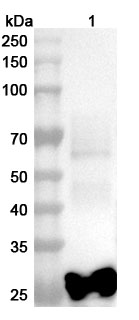
This antibody is primarily used for the detection and quantification of SFTSV in various biological samples. It is also a valuable tool for studying the virus and its interaction with host cells. The high specificity and sensitivity of this antibody make it an ideal choice for a wide range of applications, including ELISA, Western blotting, and immunofluorescence.
Experimental Use Cases:
The Anti-SFTSV NP/Nucleoprotein Polyclonal Antibody has been extensively tested and validated for use in various experimental settings. In one study, it was used to successfully detect and quantify SFTSV in patient serum samples, demonstrating its potential for diagnostic use. In another study, it was used to study the interaction between SFTSV NP and host proteins, providing valuable insights into the virus’s pathogenesis.
This antibody is specifically designed for the detection and quantification of SFTSV NP, making it an essential tool for SFTSV research and diagnostic purposes. Its high specificity and sensitivity make it a reliable choice for ELISA, Western blotting, and immunofluorescence assays. With its extensive validation and successful use in experimental settings, this antibody is a valuable asset for any biotech laboratory studying SFTSV.
Structure:
To summarize, the Anti-SFTSV NP/Nucleoprotein Polyclonal Antibody is a highly specific and sensitive antibody that targets the nucleoprotein of SFTSV. It is commonly used for the detection and quantification of SFTSV in various biological samples and has been extensively validated for use in ELISA, Western blotting, and immunofluorescence. Its successful use in experimental studies highlights its potential for research and diagnostic purposes. Choose this antibody for reliable and accurate results in your SFTSV research.

There are no reviews yet.