Anti-Human CD3G Monoclonal Antibody (1A636)
Your go-to solution for precise and reliable detection of CD3G protein in human cells.
This powerful antibody specifically targets the CD3G protein, a crucial component of the T-cell receptor complex responsible for activating T-cells and initiating immune responses. With its high specificity and sensitivity, the Anti-Human CD3G Monoclonal Antibody (1A636) is a valuable tool for studying T-cell function and immune system disorders.
One of the main applications of this antibody is in flow cytometry, where it can be used to identify and quantify CD3G expression in different cell populations. It has also been successfully used in Western blotting and immunohistochemistry techniques, providing researchers with a comprehensive toolkit for T-cell research.
In addition to its use in basic research, the Anti-Human CD3G Monoclonal Antibody (1A636) has also shown promising results in clinical studies. Its ability to accurately detect and measure CD3G levels in patient samples makes it a valuable asset in the development of new immunotherapies and diagnostic tools for immune-related diseases.
But what sets this antibody apart from others on the market? Its exceptional performance in a variety of experimental conditions. Whether you are working with frozen or paraffin-embedded tissues, or using different cell types, the Anti-Human CD3G Monoclonal Antibody (1A636) consistently delivers reliable and reproducible results.
Don’t just take our word for it – researchers around the world have already successfully used this antibody in a wide range of studies, including cancer research, autoimmune diseases, and viral infections. Its versatility and accuracy make it a top choice for any study involving T-cells.
In summary, the Anti-Human CD3G Monoclonal Antibody (1A636) is a highly specific and sensitive tool for detecting CD3G protein in human cells. Its applications in flow cytometry, Western blotting, and immunohistochemistry, as well as its potential in clinical studies, make it an essential component of any T-cell research. Try it now and see the difference it can make in your experiments.
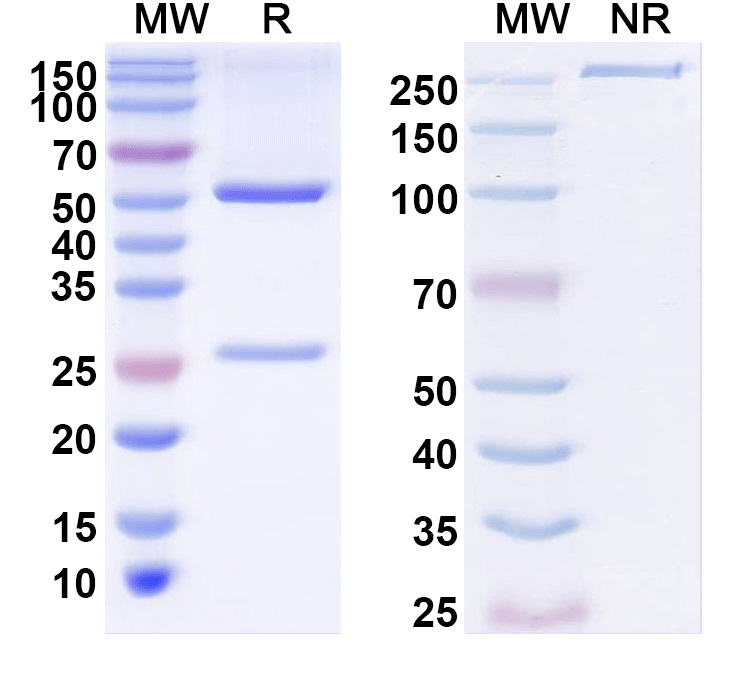
There are no reviews yet.