The Anti-Human BAAT Polyclonal Antibody is a highly specific and reliable tool for biotech research. This antibody is produced using advanced biotechnology techniques and has been rigorously tested to ensure its purity and effectiveness. It targets the BAAT protein, also known as Bile acid CoA: amino acid N-acyltransferase, which plays a crucial role in bile acid metabolism.
Biological Function:
The BAAT protein is primarily responsible for catalyzing the conjugation of bile acids with amino acids, a process known as bile acid amidation. This process is essential for the efficient transport of bile acids from the liver to the intestine, where they aid in the digestion and absorption of fats. Dysregulation of BAAT can lead to various metabolic disorders, making it an important target for research.
Main Applications:
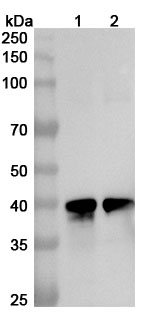
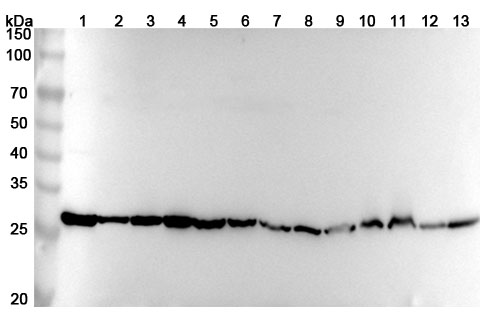
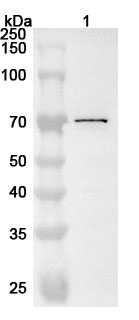
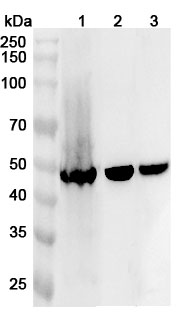
The Anti-Human BAAT Polyclonal Antibody is a valuable tool for studying the role of BAAT in various biological processes. It can be used for immunohistochemistry, western blotting, and ELISA techniques to detect and quantify BAAT levels in various tissues and biological samples. This antibody is also suitable for in vitro and in vivo studies, making it a versatile tool for a wide range of research applications.
Experimental Use Cases:
One potential use case for this antibody is in the study of liver diseases, such as cholestatic liver diseases, which are characterized by impaired bile acid metabolism. By targeting BAAT, researchers can gain a better understanding of the underlying mechanisms and potentially develop new treatments. Additionally, this antibody can be used to investigate the role of BAAT in lipid metabolism and its potential link to obesity and related disorders.
In conclusion, the Anti-Human BAAT Polyclonal Antibody is a highly specific and reliable tool for studying the BAAT protein and its role in various biological processes. Its applications in immunohistochemistry, western blotting, and ELISA techniques make it a valuable asset for biotech research. Order now to advance your research and gain new insights into bile acid metabolism and related disorders.

There are no reviews yet.