The Anti-Human a1AT/Serpin A1/SERPINA1 Polyclonal Antibody is a highly specific and sensitive tool for studying the role of a1AT/Serpin A1/SERPINA1 in various biological processes. This polyclonal antibody is derived from high-quality rabbit serum and is designed to recognize and bind to the a1AT/Serpin A1/SERPINA1 protein in human samples.
Biological Function:
a1AT/Serpin A1/SERPINA1 is a serine protease inhibitor that plays a crucial role in regulating protease activity and maintaining the balance of protease and antiprotease activities in the body. It is primarily produced in the liver and is known to protect tissues from damage caused by excessive protease activity. In addition, a1AT/Serpin A1/SERPINA1 has been linked to various diseases, including liver and lung diseases, making it a crucial target for research.
Main Applications:
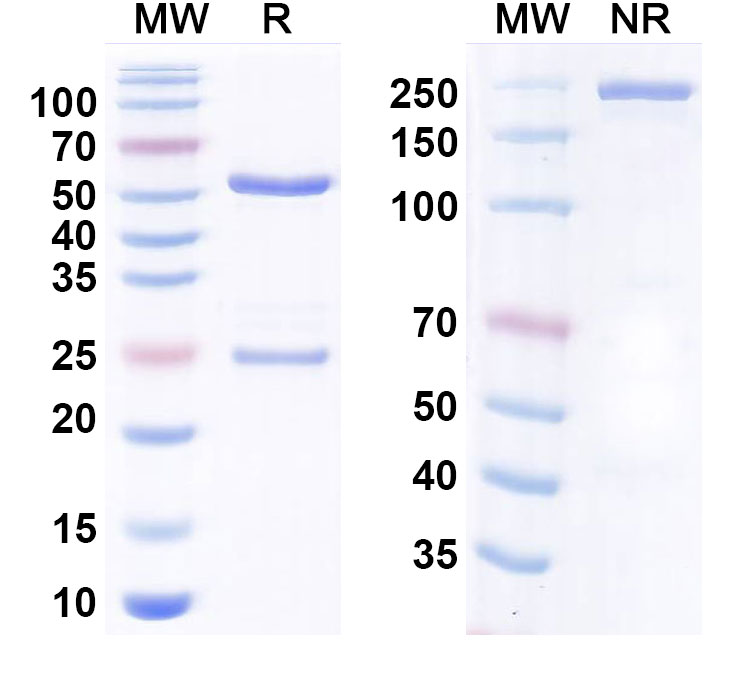
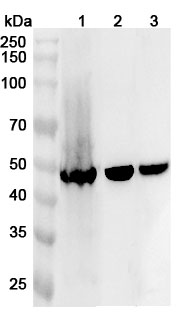
The Anti-Human a1AT/Serpin A1/SERPINA1 Polyclonal Antibody is a valuable tool for researchers studying the role of a1AT/Serpin A1/SERPINA1 in various biological processes and diseases. It can be used in a variety of applications, including Western blotting, immunohistochemistry, and ELISA. This antibody has been validated for use in human samples and has shown high specificity and sensitivity, making it a reliable tool for accurate and reproducible results.
Experimental Use Cases:
The Anti-Human a1AT/Serpin A1/SERPINA1 Polyclonal Antibody has been successfully used in various experimental settings. In one study, it was used to investigate the expression and function of a1AT/Serpin A1/SERPINA1 in liver cancer cells. The results showed that a1AT/Serpin A1/SERPINA1 expression was significantly increased in liver cancer cells compared to normal liver cells, suggesting its potential role in the development and progression of liver cancer.
In another study, the antibody was used to explore the role of a1AT/Serpin A1/SERPINA1 in lung inflammation and fibrosis. The results showed that a1AT/Serpin A1/SERPINA1 deficiency exacerbated lung inflammation and fibrosis, highlighting its protective role in lung diseases.
In both cases, the Anti-Human a1AT/Serpin A1/SERPINA1 Polyclonal Antibody was crucial in providing valuable insights into the biological function of a1AT/Serpin A1/SERPINA1 and its potential as a therapeutic target.
In conclusion, the Anti-Human a1AT/Serpin A1/SERPINA1 Polyclonal Antibody is a highly specific and sensitive tool for studying the role of a1AT/Serpin A1/SERPINA1 in various biological processes and diseases. Its reliable performance and versatility make it a valuable addition to any researcher’s toolkit. Order now and accelerate your research with this high-quality antibody.
There are no reviews yet.