Anti-HTR1A Polyclonal Antibody: Unlocking the Potential of Serotonin Receptors in Biotech Research
Introduction:
Serotonin receptors play a crucial role in modulating various physiological processes, making them a key target for biotech research. The Anti-HTR1A Polyclonal Antibody is a powerful tool that enables researchers to study the function and regulation of the HTR1A serotonin receptor in depth. This highly specific antibody is designed to provide reliable and reproducible results, making it an essential addition to any biotech laboratory.
Biological Function:
The HTR1A serotonin receptor, also known as 5-HT1A, is a G-protein coupled receptor found in the central and peripheral nervous system. It is involved in regulating a wide range of physiological processes, including mood, anxiety, cognition, and pain perception. The Anti-HTR1A Polyclonal Antibody specifically targets the extracellular domain of this receptor, allowing for the detection and quantification of HTR1A expression levels.
Main Applications:
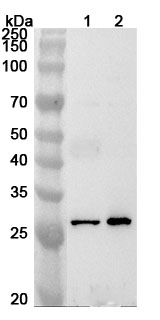
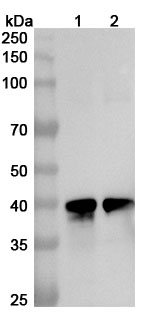
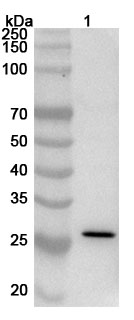
The Anti-HTR1A Polyclonal Antibody is a valuable tool for a variety of research applications. It can be used in immunohistochemistry, immunofluorescence, and western blotting to study the distribution and expression of HTR1A in different tissues and cell types. This antibody is also suitable for flow cytometry analysis, making it a versatile choice for studying HTR1A in live cells.
Experimental Use Cases:
The Anti-HTR1A Polyclonal Antibody has been extensively tested and validated in various experimental models, providing reliable and reproducible results. In one study, it was used to investigate the role of HTR1A in the regulation of anxiety-like behaviors in mice. The results showed a significant decrease in HTR1A expression in the amygdala of mice with high anxiety levels, highlighting the importance of this receptor in anxiety disorders.
In another study, the Anti-HTR1A Polyclonal Antibody was used to examine the effect of HTR1A activation on the proliferation and differentiation of neural stem cells. The results demonstrated that HTR1A signaling plays a crucial role in the regulation of neurogenesis, providing new insights into the potential therapeutic applications of this receptor.
Conclusion:
The Anti-HTR1A Polyclonal Antibody is a highly specific and reliable tool for studying the function and regulation of the HTR1A serotonin receptor. Its versatility and proven performance make it an essential component of any biotech research project targeting serotonin receptors. With its ability to provide valuable insights into the role of HTR1A in various physiological processes, this antibody is a must-have for any biotech laboratory. Order now and unlock the potential of serotonin receptors in your research.

There are no reviews yet.