Anti-GPD1 Polyclonal Antibody: A Powerful Tool for Studying Glycolysis and Metabolism in Biotechnology
Introduction:
Anti-GPD1 Polyclonal Antibody is a highly specific and sensitive antibody that targets the glycerol-3-phosphate dehydrogenase 1 (GPD1) protein. This antibody is a valuable tool for studying glycolysis and metabolism in various biotechnology applications. In this product description, we will explore the biological function, main applications, and experimental use cases of Anti-GPD1 Polyclonal Antibody.
Biological Function:
GPD1 is a key enzyme involved in the glycolytic pathway, which plays a crucial role in cellular metabolism. This enzyme catalyzes the conversion of glycerol-3-phosphate to dihydroxyacetone phosphate, a crucial step in the production of ATP, the cellular energy currency. GPD1 also plays a role in lipid metabolism and is essential for maintaining cellular redox balance. Dysregulation of GPD1 has been linked to various metabolic disorders, making it an important target for research.
Main Applications:
Anti-GPD1 Polyclonal Antibody is widely used in biotechnology research to study the role of GPD1 in cellular metabolism. This antibody is particularly useful in the following applications:
1. Glycolysis research: Anti-GPD1 Polyclonal Antibody is an essential tool for studying the glycolytic pathway. It can be used to detect GPD1 levels in different cell types and under various experimental conditions, providing valuable insights into the regulation of this pathway.
2. Metabolic disorders: The dysregulation of GPD1 has been linked to various metabolic disorders, including obesity, diabetes, and cancer. Anti-GPD1 Polyclonal Antibody can help researchers understand the role of GPD1 in these diseases and identify potential therapeutic targets.
3. Drug discovery: GPD1 is a potential target for developing drugs that can modulate cellular metabolism. Anti-GPD1 Polyclonal Antibody can be used to screen and validate potential drug candidates, making it a valuable tool in drug discovery research.
Experimental Use Cases:
Anti-GPD1 Polyclonal Antibody has been successfully used in various experimental settings, including:
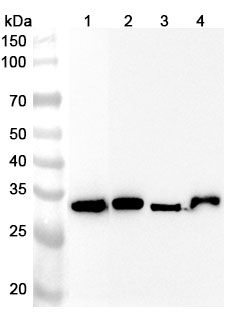
1. Western blotting: Anti-GPD1 Polyclonal Antibody has been validated for use in western blotting, allowing for the detection of GPD1 protein levels in cell lysates.
2. Immunohistochemistry (IHC): This antibody has also been used in IHC to visualize GPD1 expression in tissue samples, providing valuable insights into its role in various diseases.
3. Flow cytometry: Anti-GPD1 Polyclonal Antibody can be used in flow cytometry to analyze GPD1 levels in different cell populations, allowing for a more comprehensive understanding of its function.
Conclusion:
In summary, Anti-GPD1 Polyclonal Antibody is a powerful tool for studying glycolysis and metabolism in biotechnology. Its high specificity and sensitivity make it ideal for detecting GPD1 levels in various experimental settings. With its broad range of applications and proven success in different experimental use cases, this antibody is an essential addition to any biotechnology research toolkit. Order now and take your research to the next level!


There are no reviews yet.