Anti-DVL3 Polyclonal Antibody: A Powerful Tool for Investigating Wnt Signaling Pathway
Introduction:
Anti-DVL3 Polyclonal Antibody is a highly specific and sensitive tool for studying the Wnt signaling pathway. This antibody targets Dishevelled 3 (DVL3), a key protein involved in Wnt signaling, and has been extensively validated for use in various experimental techniques.
Biological Function:
DVL3 is a cytoplasmic protein that plays a crucial role in the Wnt signaling pathway, which is involved in many cellular processes such as cell proliferation, differentiation, and development. DVL3 acts as a mediator between the Wnt ligand and downstream signaling components, ultimately leading to the activation of Wnt target genes. Dysregulation of this pathway has been linked to various diseases, making DVL3 an important target for research.
Main Applications:
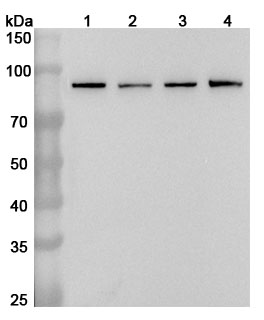
The Anti-DVL3 Polyclonal Antibody is widely used in both basic and clinical research for its ability to specifically detect DVL3 protein levels. This antibody is suitable for use in Western blotting, immunofluorescence, and immunohistochemistry techniques, making it a versatile tool for investigating the Wnt signaling pathway in various biological samples.
Experimental Use Cases:
One of the main applications of the Anti-DVL3 Polyclonal Antibody is in cancer research. DVL3 has been shown to be overexpressed in many types of cancer, and this antibody can be used to study its role in tumor development and progression. Additionally, this antibody has been used in developmental biology studies to investigate the role of DVL3 in embryonic development.
This antibody has been extensively validated for its specificity and sensitivity in detecting DVL3 protein levels. Its high affinity for DVL3 makes it a reliable tool for studying the Wnt signaling pathway. Furthermore, the use of this antibody in cancer research has yielded valuable insights into the role of DVL3 in tumorigenesis.
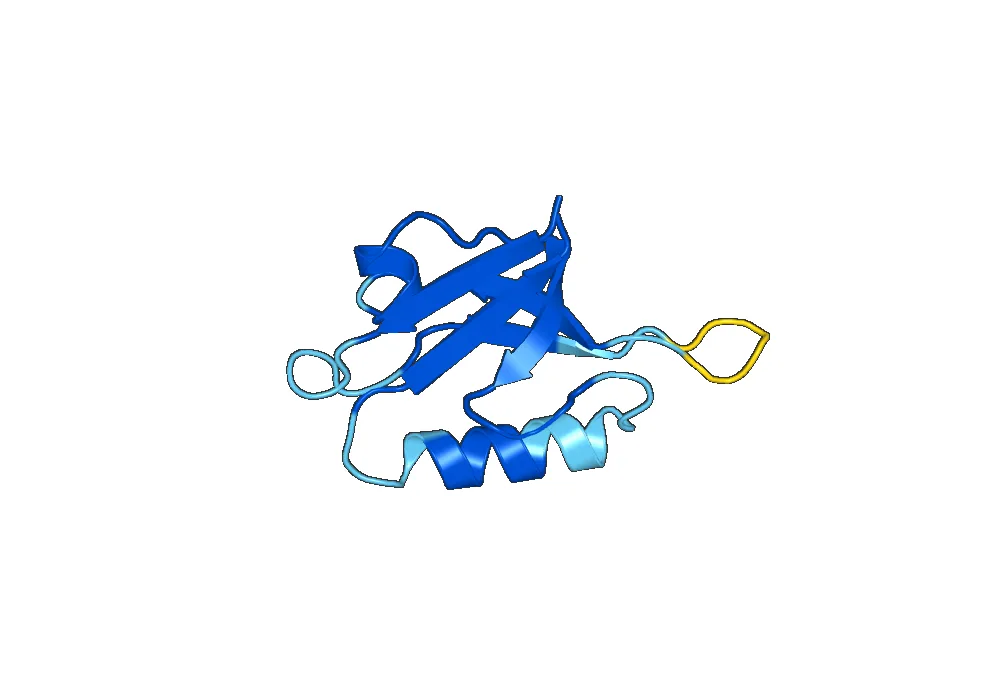
Structure:
To summarize, the Anti-DVL3 Polyclonal Antibody is a powerful tool for investigating the Wnt signaling pathway. Its high specificity and sensitivity make it suitable for a variety of experimental techniques, and its use in cancer research has provided important insights into the role of DVL3 in disease. Choose this antibody for reliable and accurate results in your research on the Wnt signaling pathway.

There are no reviews yet.