Introducing our highly efficient Anti-GLB1 Polyclonal Antibody, a powerful tool for your biotech research needs. This antibody is specifically designed to target the GLB1 protein, an essential enzyme involved in the breakdown of complex carbohydrates.
The GLB1 protein plays a crucial role in lysosomal storage diseases, such as GM1 gangliosidosis and Morquio B syndrome. These diseases are characterized by the accumulation of glycolipids in various tissues, leading to severe neurological and skeletal defects. By targeting GLB1, our antibody can aid in the study of these diseases and potentially lead to the development of new treatments.
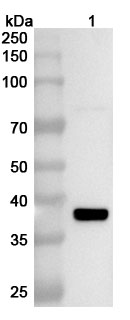
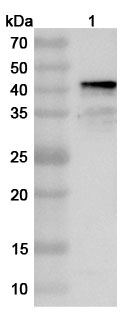
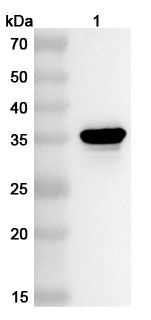
With its high specificity and sensitivity, our Anti-GLB1 Polyclonal Antibody is ideal for a variety of applications. It can be used in Western blotting, immunohistochemistry, and ELISA assays to detect and quantify GLB1 protein levels in various samples. This antibody has been extensively tested and validated, ensuring reliable and reproducible results.
In addition to its main applications, our Anti-GLB1 Polyclonal Antibody has also been successfully used in experimental studies. It has been shown to effectively inhibit GLB1 activity in cell culture, providing valuable insights into the protein’s function and potential therapeutic targets.
Furthermore, our antibody is produced using state-of-the-art technology and undergoes rigorous quality control measures to ensure purity and consistency. It is available in various sizes to suit your specific research needs.
In summary, our Anti-GLB1 Polyclonal Antibody is a top-of-the-line product that offers exceptional performance and reliability for your biotech research. With its ability to target GLB1 and its various applications and experimental uses, this antibody is a valuable asset for studying lysosomal storage diseases and advancing scientific knowledge. Trust in our Anti-GLB1 Polyclonal Antibody to provide accurate and meaningful results for your research. Order now and take your biotech research to the next level.

There are no reviews yet.