Anti-DVL2 Polyclonal Antibody: A Powerful Tool for Studying Wnt Signaling Pathway
The Anti-DVL2 Polyclonal Antibody is a highly specific and reliable tool for studying the Wnt signaling pathway in various biological systems. This antibody specifically targets Dishevelled 2 (DVL2), a key protein involved in the Wnt signaling cascade.
Biological Function:
DVL2 is a cytoplasmic protein that plays a crucial role in the Wnt signaling pathway, which is essential for many cellular processes, including embryonic development, tissue homeostasis, and cell proliferation. DVL2 acts as a signaling hub, relaying signals from the Wnt ligand to downstream effectors, ultimately regulating gene expression and cell behavior.
Main Applications:
The Anti-DVL2 Polyclonal Antibody is widely used in both basic and clinical research to study the Wnt signaling pathway and its role in various biological processes. It is particularly useful in cancer research, as aberrant Wnt signaling has been linked to tumor growth and progression. Additionally, this antibody can be used in drug discovery and development, as targeting the Wnt pathway has shown promise in treating various diseases.
Experimental Use Cases:
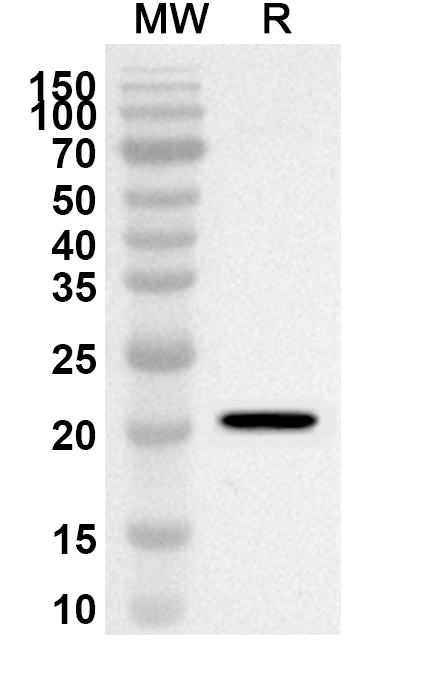
The Anti-DVL2 Polyclonal Antibody has been successfully used in a variety of experimental techniques, including Western blotting, immunofluorescence, and immunohistochemistry. It has been validated for use in human, mouse, and rat samples, making it a versatile tool for different model systems. This antibody has also been shown to have high specificity and sensitivity, providing reliable and reproducible results.
In summary, the Anti-DVL2 Polyclonal Antibody is a powerful tool for studying the Wnt signaling pathway and its role in various biological processes. Its high specificity and sensitivity, along with its versatility in different experimental techniques, make it an ideal choice for researchers and scientists studying the Wnt pathway and its implications in disease. Order now to advance your research and gain a deeper understanding of this important signaling pathway.

There are no reviews yet.