Anti-Dog CD366/HAVCR2/TIM-3 Polyclonal Antibody
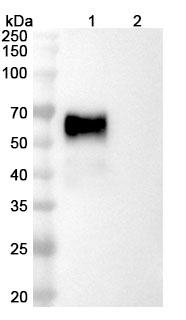
The Anti-Dog CD366/HAVCR2/TIM-3 Polyclonal Antibody is a highly specific and sensitive antibody that targets the canine CD366/HAVCR2/TIM-3 protein. This protein is a member of the T-cell immunoglobulin and mucin domain (TIM) family, and is known to play a crucial role in regulating the immune response.
The main function of this antibody is to bind to the CD366/HAVCR2/TIM-3 protein, blocking its interaction with its ligands and preventing its downstream signaling. This leads to the inhibition of T-cell activation and proliferation, ultimately modulating the immune response.
The Anti-Dog CD366/HAVCR2/TIM-3 Polyclonal Antibody has a wide range of applications in the field of biotechnology. It can be used in various research areas such as immunology, cancer biology, and infectious diseases. This antibody is particularly useful in studying the role of CD366/HAVCR2/TIM-3 in immune checkpoint pathways and its potential as a therapeutic target for cancer and autoimmune diseases.
In addition to its role in basic research, this antibody has also shown promising results in experimental use cases. It has been used in in vitro and in vivo studies to investigate the efficacy of CD366/HAVCR2/TIM-3 blockade in cancer immunotherapy. Furthermore, it has been used in combination with other immunomodulatory agents to enhance its therapeutic potential.
The Anti-Dog CD366/HAVCR2/TIM-3 Polyclonal Antibody is a valuable tool for researchers and biotech companies looking to advance their understanding of the immune system and develop novel immunotherapies. Its high specificity and sensitivity make it an ideal choice for experiments requiring precise and reliable results.
In summary, the Anti-Dog CD366/HAVCR2/TIM-3 Polyclonal Antibody is a powerful research tool with a wide range of applications in immunology and cancer biology. Its ability to block CD366/HAVCR2/TIM-3 signaling makes it a valuable asset in the development of novel immunotherapies. Choose this antibody for your experiments and unlock new insights into the complex world of immune regulation.

There are no reviews yet.