Anti-CEBPA Polyclonal Antibody
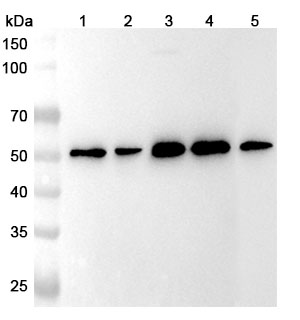
The Anti-CEBPA Polyclonal Antibody is a highly specific and sensitive tool for the detection of CEBPA protein in various biological samples. This antibody is produced by immunizing rabbits with a synthetic peptide corresponding to the CEBPA protein sequence. It has been extensively validated for use in various experimental techniques, making it a reliable choice for your research needs.
Biological Function:
CEBPA, or CCAAT/enhancer binding protein alpha, is a transcription factor that plays a crucial role in the regulation of gene expression. It is involved in a wide range of cellular processes, including differentiation, proliferation, and apoptosis. CEBPA is also known to be a key regulator of hematopoiesis, making it an important target for studies in the field of biotechnology and medicine.
Main Applications:
The Anti-CEBPA Polyclonal Antibody is specifically designed for use in immunohistochemistry (IHC), western blotting (WB), and immunofluorescence (IF) techniques. It has been optimized to provide high sensitivity and specificity, making it suitable for a variety of applications in both basic and clinical research.
Experimental Use Cases:
This antibody has been successfully used in a variety of experimental settings, including the detection of CEBPA in cancer cell lines, tissues, and patient samples. It has also been used to study the role of CEBPA in various diseases, such as acute myeloid leukemia and liver cancer. Additionally, it has been used to investigate the effects of different treatments and interventions on CEBPA expression and function.
In summary, the Anti-CEBPA Polyclonal Antibody is a reliable and versatile tool for the detection and study of CEBPA protein. Its high specificity and sensitivity, along with its proven success in various experimental techniques, make it an ideal choice for researchers interested in understanding the role of CEBPA in different biological processes and diseases. Order now and take your research to the next level.


There are no reviews yet.