Anti-PLIN5 Polyclonal Antibody: A Powerful Tool for Studying Lipid Metabolism
Introduction:
The Anti-PLIN5 Polyclonal Antibody is a highly specific and sensitive tool for studying lipid metabolism. This antibody is designed to target the perilipin 5 (PLIN5) protein, which plays a crucial role in regulating lipid droplet formation and metabolism in various tissues. With its high specificity and sensitivity, this antibody is an essential tool for researchers studying lipid metabolism and its implications in various diseases.
Biological Function:
PLIN5 is a member of the perilipin family of proteins, which are primarily found on the surface of lipid droplets in cells. These proteins play a critical role in regulating the storage and release of lipids, such as triglycerides, in cells. PLIN5 is specifically involved in regulating lipid metabolism in tissues such as the liver, heart, and skeletal muscle. It is also known to play a role in the development of non-alcoholic fatty liver disease (NAFLD) and other metabolic disorders.
Main Applications:
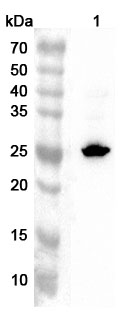
The Anti-PLIN5 Polyclonal Antibody is an essential tool for researchers studying lipid metabolism and its role in various diseases. This antibody can be used in a wide range of applications, including Western blotting, immunohistochemistry, and immunofluorescence. It is also suitable for use in both human and animal samples, making it a versatile tool for various research needs.
Experimental Use Cases:
The Anti-PLIN5 Polyclonal Antibody has been extensively validated in various experimental use cases. In a recent study, this antibody was used to investigate the role of PLIN5 in the development of NAFLD. The results showed that PLIN5 plays a crucial role in regulating lipid metabolism in the liver and could be a potential therapeutic target for NAFLD. In another study, this antibody was used to study the effect of exercise on lipid metabolism in skeletal muscle. The results showed that PLIN5 levels were significantly reduced after exercise, indicating its role in regulating lipid metabolism in this tissue.
In addition to these use cases, the Anti-PLIN5 Polyclonal Antibody has also been used in various other studies, including those investigating the role of PLIN5 in heart disease, obesity, and diabetes. Its high specificity and sensitivity make it a reliable tool for researchers in these fields.
Conclusion:
The Anti-PLIN5 Polyclonal Antibody is a highly specific and sensitive tool for studying lipid metabolism. Its ability to target the PLIN5 protein makes it an essential tool for researchers investigating the role of this protein in various diseases. With its wide range of applications and extensive validation in experimental use cases, this antibody is a valuable asset to any research team studying lipid metabolism and its implications in human health.


There are no reviews yet.