Introduction to Ansuvimab Biosimilar
Ansuvimab Biosimilar is a monoclonal antibody (mAb) that specifically targets the GP1 surface protein of the Ebolavirus. It is a research grade antibody that has shown promising results in preclinical studies and is currently undergoing clinical trials for its potential use as a therapeutic agent against Ebola virus infection.
Structure of Ansuvimab Biosimilar
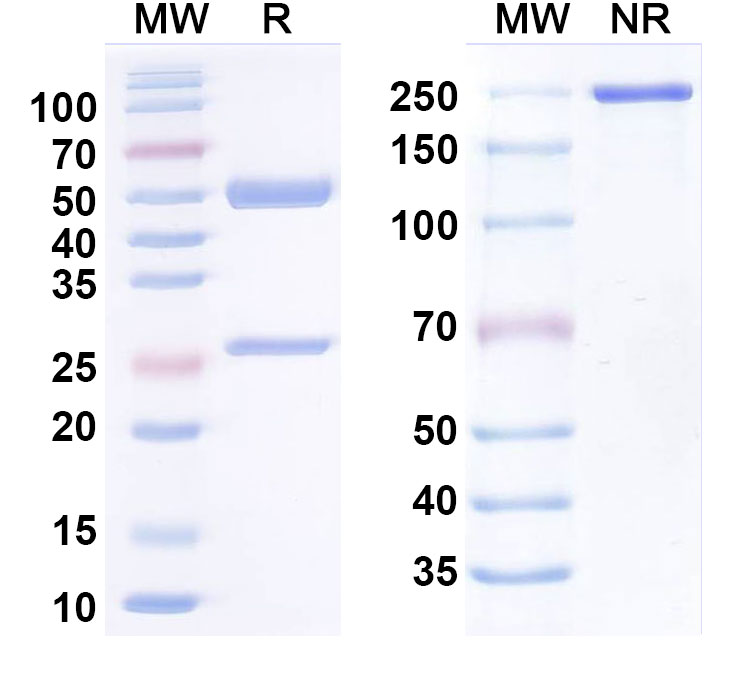
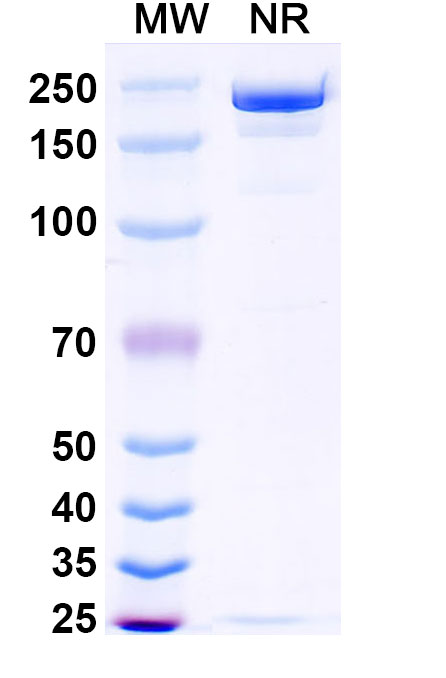
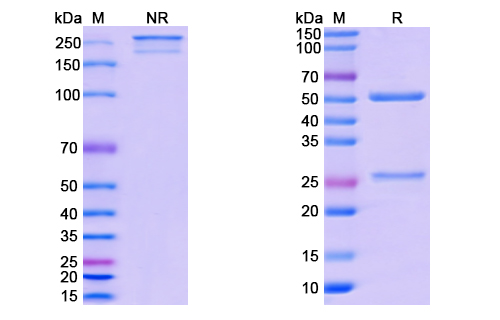
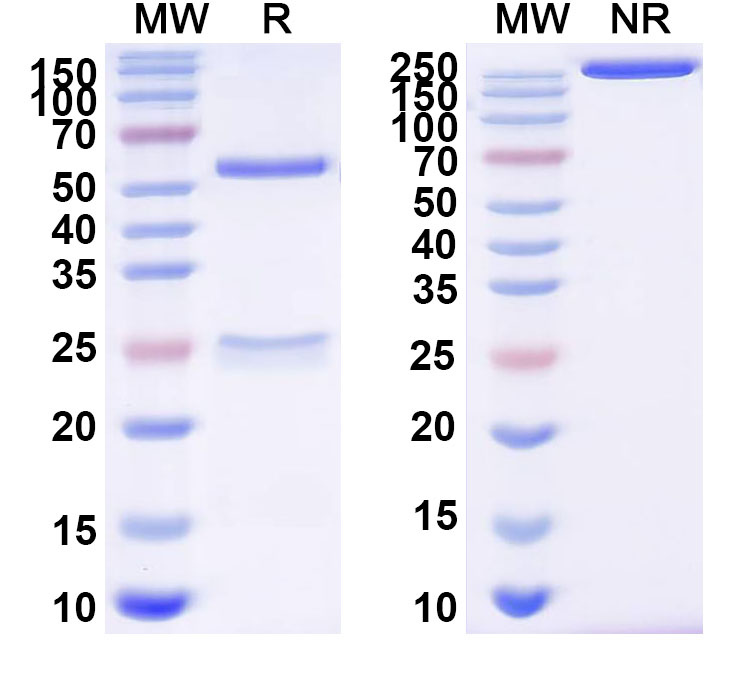
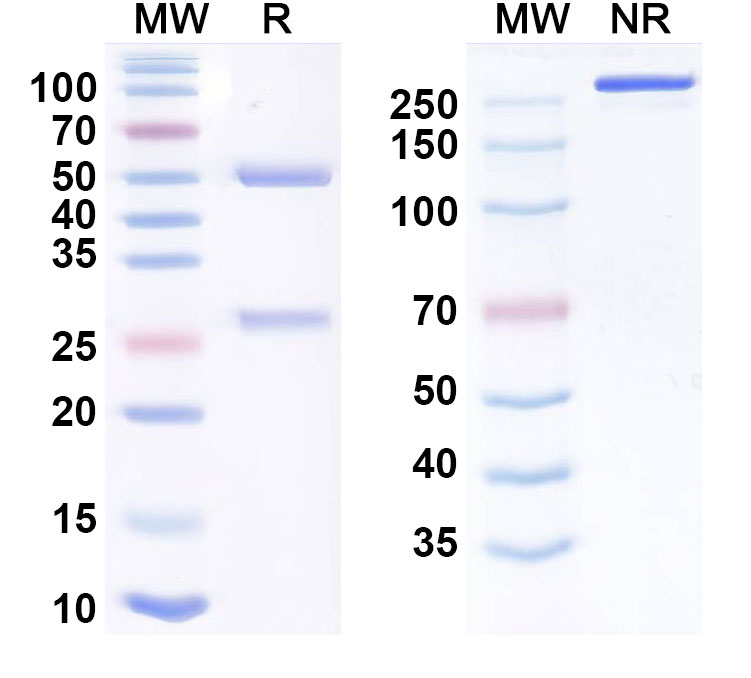
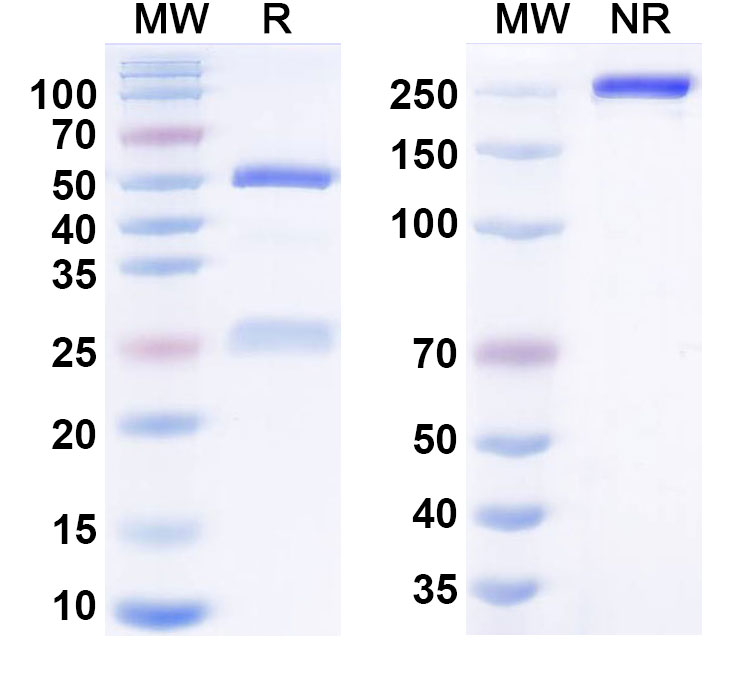
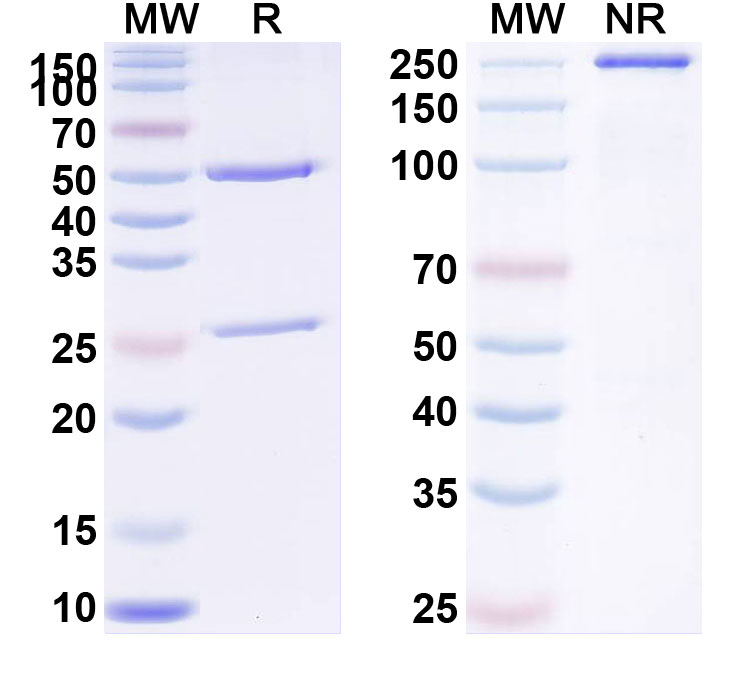
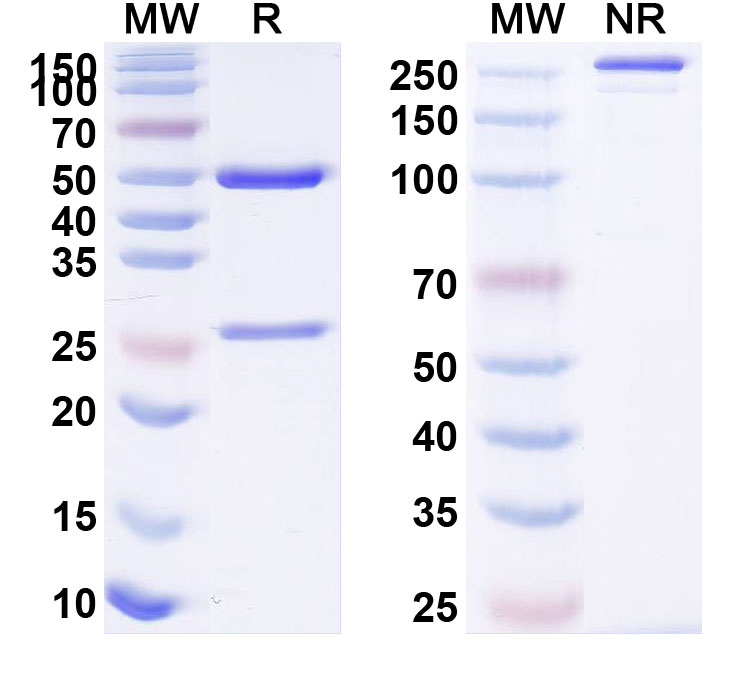
Ansuvimab Biosimilar is a humanized IgG1 monoclonal antibody with a molecular weight of approximately 150 kDa. It is composed of two heavy chains and two light chains, each containing constant and variable regions. The variable regions of the antibody are responsible for its specificity towards the GP1 surface protein of Ebolavirus.
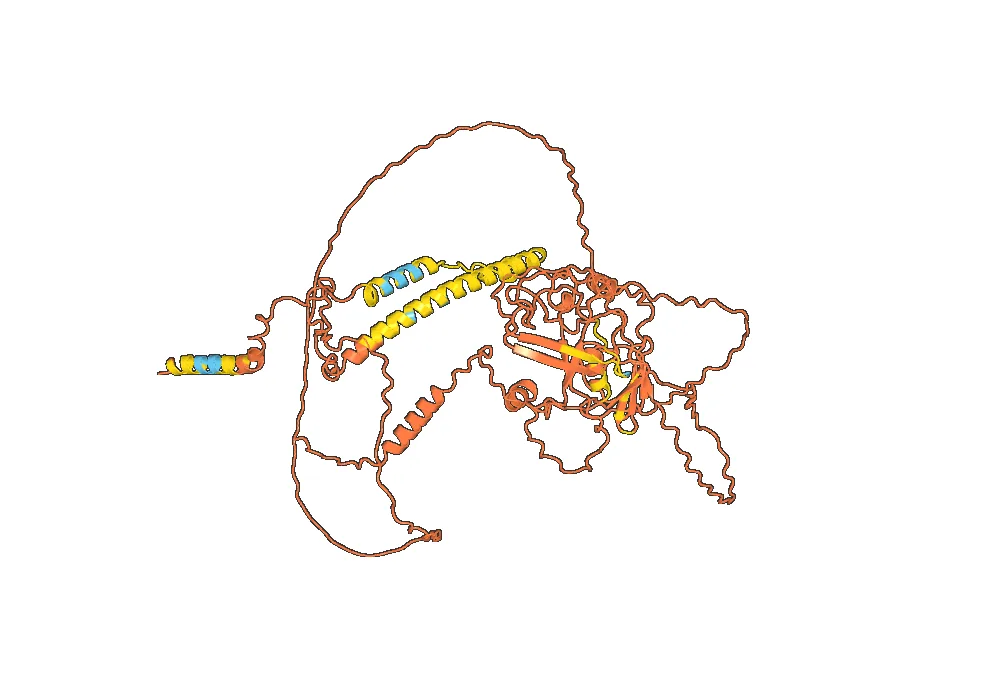
The crystal structure of Ansuvimab Biosimilar has been determined and it has been found to have a similar structure to other humanized IgG1 antibodies. It has a Y-shaped structure with two antigen binding sites at the tips of the Y, allowing it to bind to two GP1 surface proteins simultaneously.
Activity of Ansuvimab Biosimilar
Ansuvimab Biosimilar binds specifically to the GP1 surface protein of Ebolavirus and prevents the virus from entering and infecting host cells. The GP1 protein is essential for viral entry as it binds to host cells and facilitates the fusion of the viral membrane with the host cell membrane. By blocking this interaction, Ansuvimab Biosimilar effectively neutralizes the virus and prevents it from replicating and causing further damage.
In addition to neutralizing the virus, Ansuvimab Biosimilar also activates the immune system to mount a response against the virus. This is achieved through the recruitment of immune cells and the activation of complement proteins, leading to the destruction of the virus and infected cells.
Application of Ansuvimab Biosimilar
Ansuvimab Biosimilar has shown promising results in preclinical studies and is currently undergoing clinical trials for its potential use as a therapeutic agent against Ebola virus infection. It has been found to be effective in neutralizing multiple strains of Ebolavirus, including the Zaire, Sudan, and Bundibugyo strains.
Due to its highly specific binding to the GP1 surface protein, Ansuvimab Biosimilar has the potential to be used as a prophylactic treatment for individuals at high risk of Ebola virus infection, such as healthcare workers and individuals living in areas with high rates of Ebola outbreaks.
Furthermore, Ansuvimab Biosimilar could also be used as a treatment for individuals who have already been infected with Ebola virus. Early administration of the antibody has been shown to improve survival rates and reduce the severity of symptoms in animal models.
Conclusion
In summary, Ansuvimab Biosimilar is a promising monoclonal antibody that specifically targets the GP1 surface protein of Ebolavirus. Its unique structure and activity make it a potential therapeutic agent for the prevention and treatment of Ebola virus infection. Further research and clinical trials are needed to fully assess its efficacy and safety, but it holds great potential in the fight against this deadly virus.
Keywords: antibody, therapeutic target, Ansuvimab Biosimilar, GP1 surface protein, Ebolavirus, monoclonal antibody, preclinical studies, clinical trials, prophylactic treatment, treatment, immune response, neutralization
There are no reviews yet.