Anrukinzumab Biosimilar: A Promising Anti-IL13 mAb for Therapeutic Targeting Introduction
Anrukinzumab Biosimilar is a novel monoclonal antibody (mAb) that targets the cytokine interleukin 13 (IL13). It is currently being developed as a biosimilar to the marketed drug, Lebrikizumab, and has shown great potential in treating various diseases associated with IL13-mediated inflammation. In this article, we will discuss the structure, activity, and potential applications of Anrukinzumab Biosimilar as a therapeutic agent.
Structure of Anrukinzumab Biosimilar
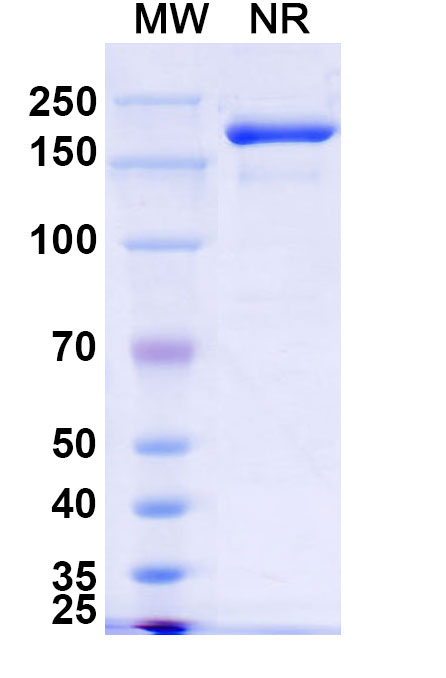
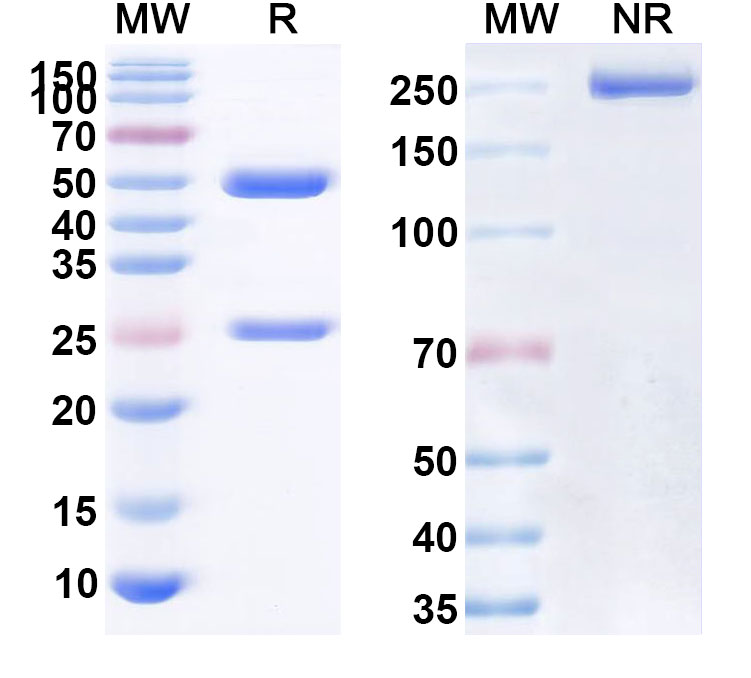
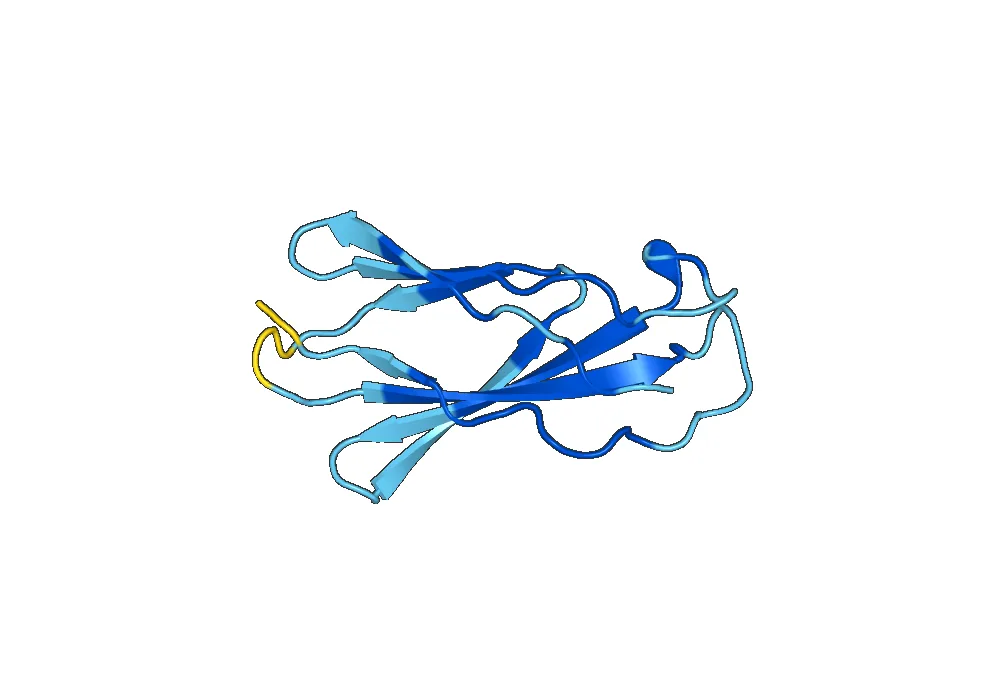
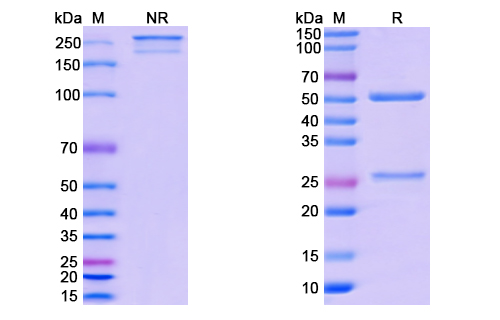
Anrukinzumab Biosimilar is a recombinant humanized IgG1 monoclonal antibody with a molecular weight of approximately 150 kDa. It is composed of two identical heavy chains and two identical light chains, each containing a variable region and a constant region. The variable region of Anrukinzumab Biosimilar is derived from the murine anti-IL13 antibody, while the constant region is of human origin. This structure allows for high specificity and affinity towards IL13, while minimizing the potential for immunogenicity.
Activity of Anrukinzumab Biosimilar
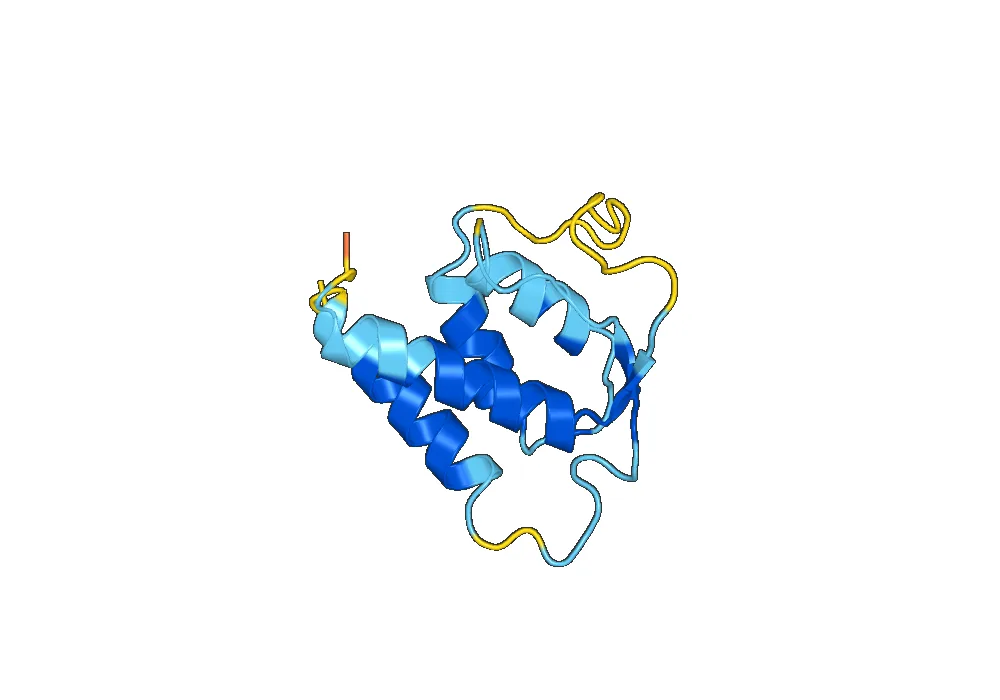
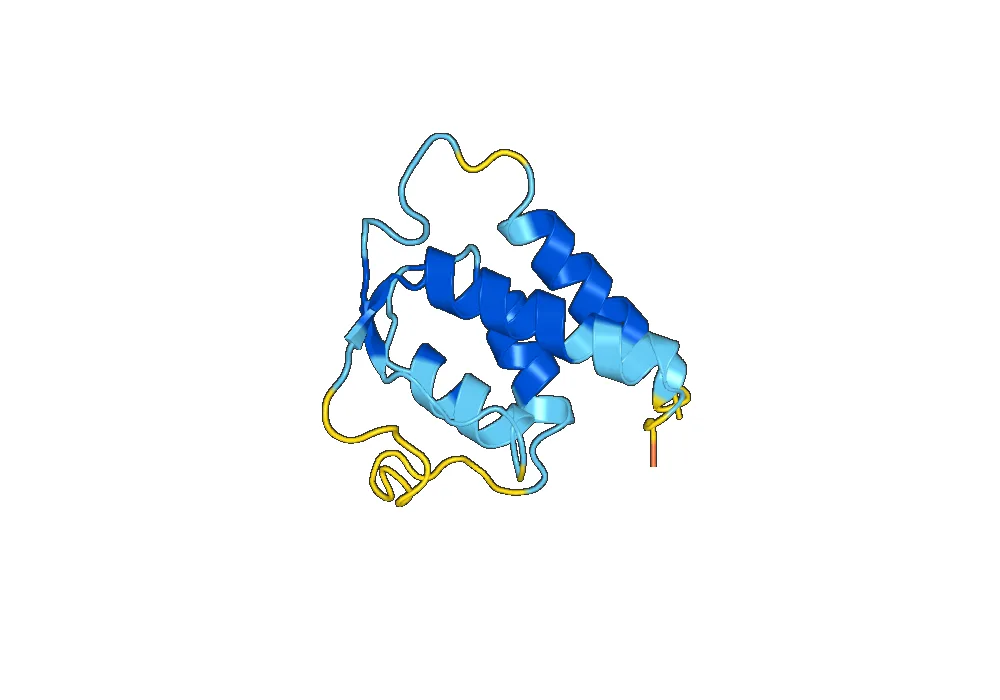
IL13 is a pro-inflammatory cytokine that plays a crucial role in the pathogenesis of various diseases, including asthma, atopic dermatitis, and inflammatory bowel disease. It exerts its effects by binding to the IL13 receptor complex, which consists of IL13Rα1 and IL4Rα subunits. Anrukinzumab Biosimilar binds to IL13 with high affinity and blocks its interaction with the receptor complex, thereby inhibiting downstream signaling pathways. This leads to a reduction in the production of pro-inflammatory cytokines and chemokines, ultimately resulting in a decrease in inflammation.
Potential Applications of Anrukinzumab Biosimilar
Anrukinzumab Biosimilar has the potential to be used in the treatment of various IL13-mediated diseases, including asthma, atopic dermatitis, and inflammatory bowel disease. In a phase II clinical trial, Anrukinzumab Biosimilar showed significant improvement in lung function and asthma control in patients with severe uncontrolled asthma. It also demonstrated promising results in patients with moderate-to-severe atopic dermatitis, with a reduction in disease severity and improvement in quality of life. Additionally, Anrukinzumab Biosimilar has shown potential in the treatment of inflammatory bowel disease by reducing disease activity and improving clinical symptoms.
Conclusion
Anrukinzumab Biosimilar is a promising anti-IL13 mAb that has shown great potential in treating various IL13-mediated diseases. Its unique structure and mechanism of action make it a highly specific and effective therapeutic agent. With ongoing clinical trials, Anrukinzumab Biosimilar has the potential to provide a new treatment option for patients suffering from IL13-mediated inflammatory diseases.

There are no reviews yet.