Introduction
Alomfilimab Biosimilar, also known as Anti-ICOS mAb, is a monoclonal antibody that targets the immune checkpoint protein, Inducible T-cell co-stimulator (ICOS). This biosimilar is currently in the research stage and shows promising potential as a therapeutic agent for various diseases.
Structure of Alomfilimab Biosimilar
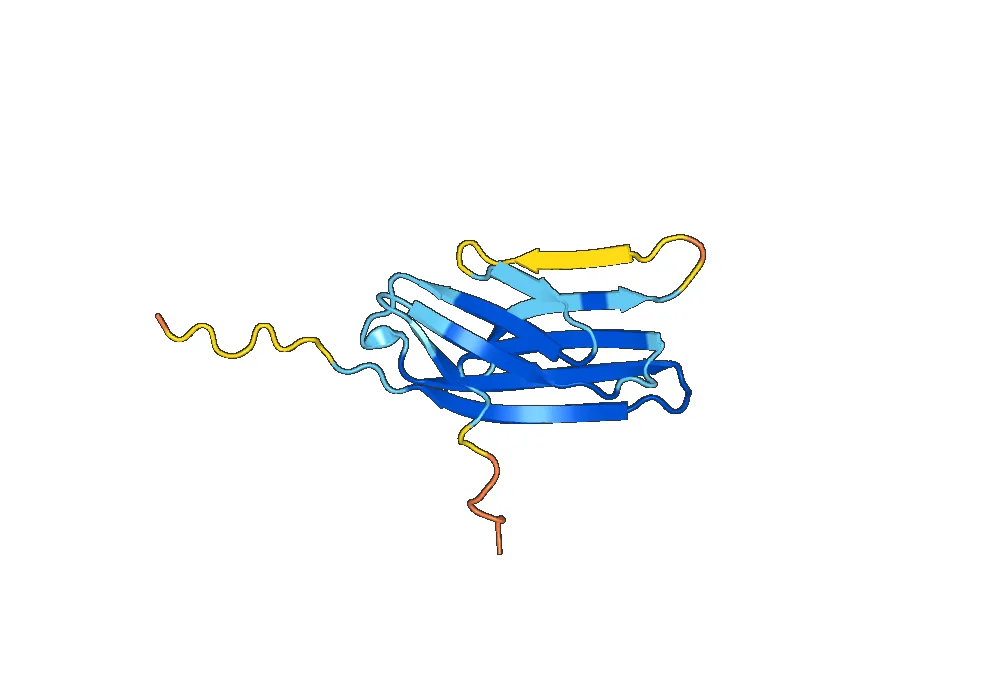
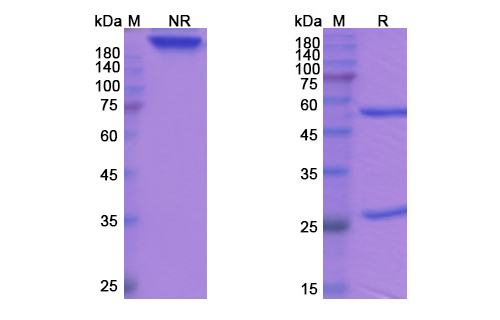
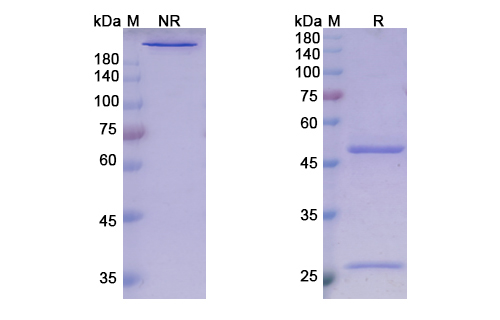
Alomfilimab Biosimilar is a recombinant humanized monoclonal antibody, meaning it is derived from human genes and has been modified to have a more human-like structure. It is composed of two heavy chains and two light chains, which are connected by disulfide bonds. The antibody has a molecular weight of approximately 150 kDa and a half-life of around 21 days in humans.
Activity of Alomfilimab Biosimilar
Alomfilimab Biosimilar works by binding to the ICOS protein on the surface of T-cells. ICOS is a co-stimulatory molecule that plays a crucial role in regulating T-cell activation and function. By binding to ICOS, Alomfilimab Biosimilar blocks its interaction with its ligand, resulting in the suppression of T-cell activation and proliferation. This mechanism of action makes Alomfilimab Biosimilar a potential immunosuppressive agent.
Furthermore, Alomfilimab Biosimilar has been shown to have additional immunomodulatory effects. It can induce the production of regulatory T-cells, which are responsible for maintaining immune tolerance and preventing autoimmune diseases. It also inhibits the production of pro-inflammatory cytokines, such as interferon-gamma and tumor necrosis factor-alpha, which are involved in various inflammatory conditions.
Applications of Alomfilimab Biosimilar
The potential applications of Alomfilimab Biosimilar are vast due to its ability to modulate the immune system. It is currently being studied for its effectiveness in various diseases, including autoimmune disorders, chronic inflammatory conditions, and cancer.
Autoimmune Disorders
Alomfilimab Biosimilar has shown promising results in preclinical studies for the treatment of autoimmune disorders, such as rheumatoid arthritis, multiple sclerosis, and systemic lupus erythematosus. By inhibiting T-cell activation, it can suppress the overactive immune response that causes these diseases. Clinical trials are currently underway to evaluate its effectiveness and safety in these conditions.
Chronic Inflammatory Conditions
Chronic inflammatory conditions, such as asthma and inflammatory bowel disease, are characterized by persistent inflammation in the affected tissues. Alomfilimab Biosimilar has the potential to alleviate these conditions by inhibiting T-cell activation and reducing the production of pro-inflammatory cytokines. Clinical trials have shown promising results in patients with moderate to severe asthma, and further studies are ongoing for other inflammatory conditions.
Cancer ICOS is overexpressed on the surface of certain
cancer cells, making it an attractive therapeutic target for cancer treatment. Alomfilimab Biosimilar has shown promising results in preclinical studies for the treatment of various cancers, including melanoma, lung cancer, and breast cancer. It works by inhibiting the growth and proliferation of cancer cells and enhancing the anti-tumor immune response. Clinical trials are currently ongoing to evaluate its effectiveness in cancer patients.
Conclusion
Alomfilimab Biosimilar, also known as Anti-ICOS mAb, is a promising monoclonal antibody that targets the immune checkpoint protein, ICOS. Its humanized structure and mechanism of action make it a potential therapeutic agent for various diseases, including autoimmune disorders, chronic inflammatory conditions, and cancer. Further research and clinical trials are needed to fully understand its effectiveness and safety in treating these conditions.



There are no reviews yet.