Introduction
The Afasevikumab ELISA Kit is a powerful tool used for the detection and quantification of Afasevikumab, a monoclonal antibody that has shown promising results as a therapeutic target for various diseases. This kit utilizes the enzyme-linked immunosorbent assay (ELISA) technique, which allows for highly sensitive and specific measurements of Afasevikumab levels in biological samples. In this article, we will discuss the structure, activity, and application of the Afasevikumab ELISA Kit in detail.
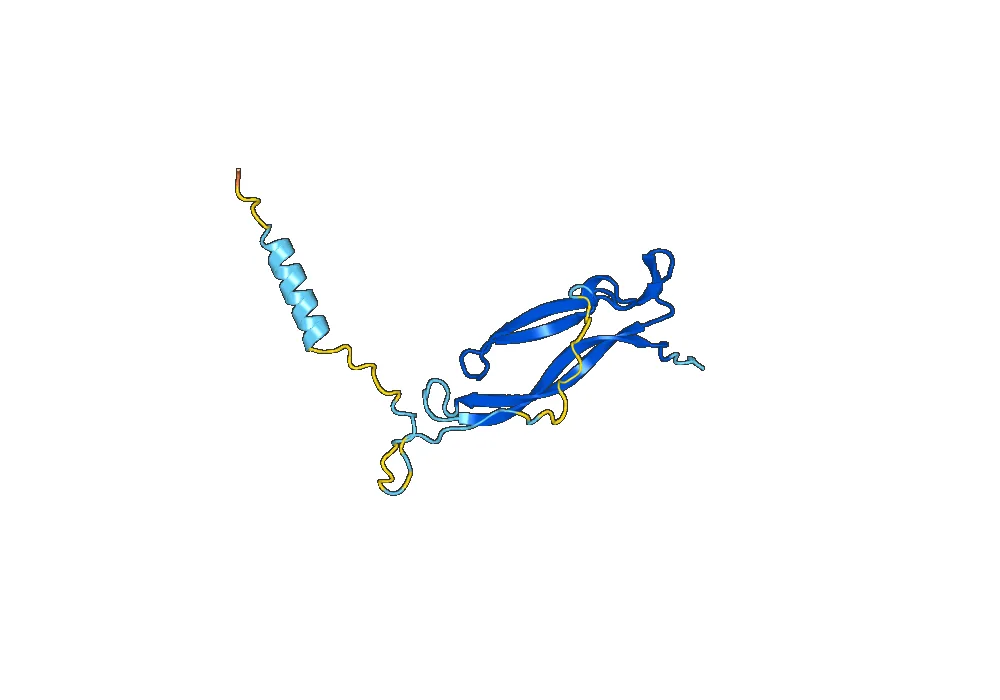
Structure of Afasevikumab
Afasevikumab is a humanized IgG1 monoclonal antibody that specifically targets the interleukin-6 (IL-6) receptor. It is composed of two heavy chains and two light chains, each containing a variable region and a constant region. The variable region of Afasevikumab binds to the IL-6 receptor with high affinity, while the constant region mediates effector functions such as antibody-dependent cellular cytotoxicity (ADCC) and complement-dependent cytotoxicity (CDC).
Activity of Afasevikumab
Afasevikumab exerts its therapeutic effects by blocking the binding of IL-6 to its receptor, thereby inhibiting downstream signaling pathways. IL-6 is a pro-inflammatory cytokine that plays a crucial role in the pathogenesis of various diseases, including rheumatoid arthritis, systemic juvenile idiopathic arthritis, and Castleman’s disease. By targeting the IL-6 receptor, Afasevikumab can effectively reduce the levels of pro-inflammatory cytokines and alleviate disease symptoms.
The efficacy of Afasevikumab has been demonstrated in several clinical trials. In a phase III study, Afasevikumab was shown to significantly improve the signs and symptoms of rheumatoid arthritis in patients who did not respond to conventional disease-modifying antirheumatic drugs (DMARDs). It also showed a favorable safety profile, with no serious adverse events reported. Another phase III study showed that Afasevikumab can effectively control the symptoms of systemic juvenile idiopathic arthritis in children, leading to a reduction in disease activity and improved quality of life.
Application of Afasevikumab ELISA Kit
The Afasevikumab ELISA Kit is a valuable tool for monitoring the levels of Afasevikumab in biological samples. It is commonly used in clinical trials to assess the pharmacokinetics and pharmacodynamics of Afasevikumab, as well as to determine the optimal dosage and dosing frequency. In addition, this kit can also be used for therapeutic drug monitoring in patients receiving Afasevikumab treatment, allowing for personalized dosing based on individual drug levels.
The Afasevikumab ELISA Kit has also been used in preclinical studies to evaluate the pharmacokinetic profiles of Afasevikumab in various animal models. This information is crucial for the development of new formulations and dosing regimens for Afasevikumab, as well as for predicting its potential efficacy and safety in humans.
Furthermore, the Afasevikumab ELISA Kit can also be used for research purposes, such as investigating the mechanism of action of Afasevikumab and its effects on cytokine levels in different disease models. This can provide valuable insights into the role of IL-6 in disease pathogenesis and the potential of Afasevikumab as a therapeutic agent.
Conclusion
The Afasevikumab ELISA Kit is a powerful tool for the detection and quantification of Afasevikumab, a monoclonal antibody targeting the IL-6 receptor. Its high sensitivity and specificity make it an essential tool for monitoring drug levels in clinical trials and therapeutic drug monitoring. In addition, it has numerous applications in preclinical research, providing valuable insights into the mechanism of action and potential therapeutic effects of Afasevikumab. With its widespread use in the scientific

There are no reviews yet.