Introduction
Abx-Ma1 Biosimilar, also known as Anti-CD146 monoclonal antibody, is a research grade antibody that has been developed as a biosimilar to the original Abx-Ma1 antibody. This biosimilar antibody targets the CD146 protein, which is a cell adhesion molecule that plays a crucial role in various physiological processes. In this article, we will discuss the structure, activity, and potential applications of Abx-Ma1 Biosimilar in the field of research.
Structure of Abx-Ma1 Biosimilar
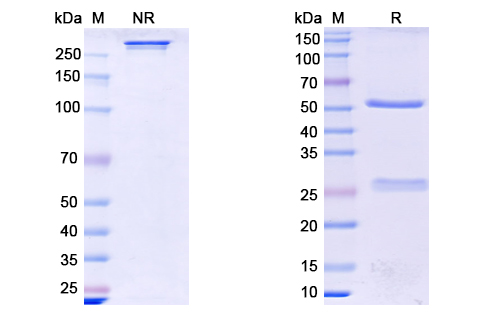
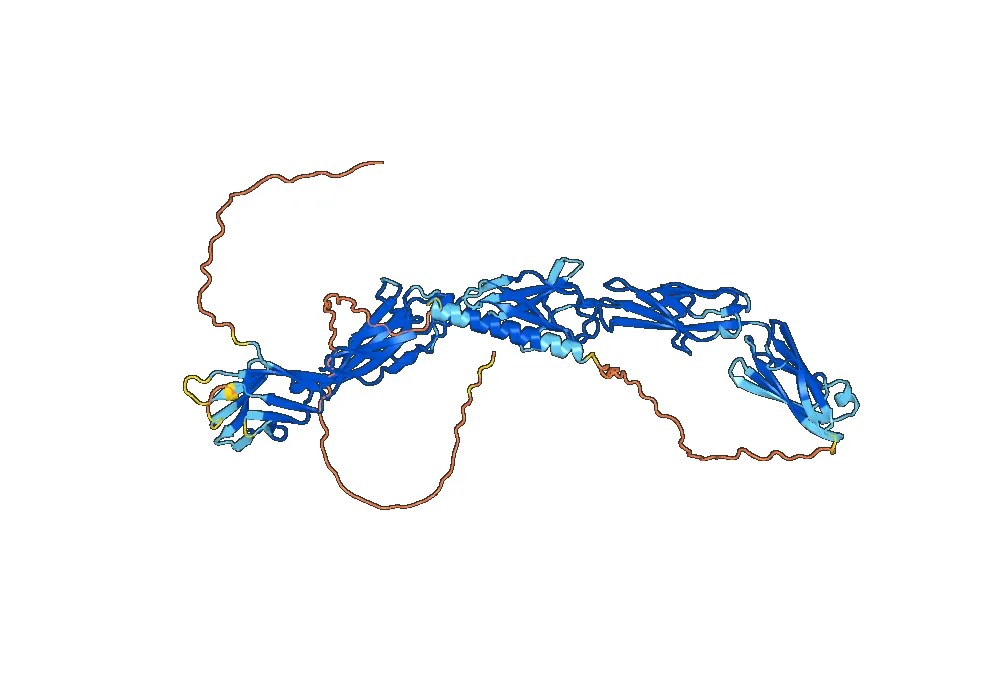
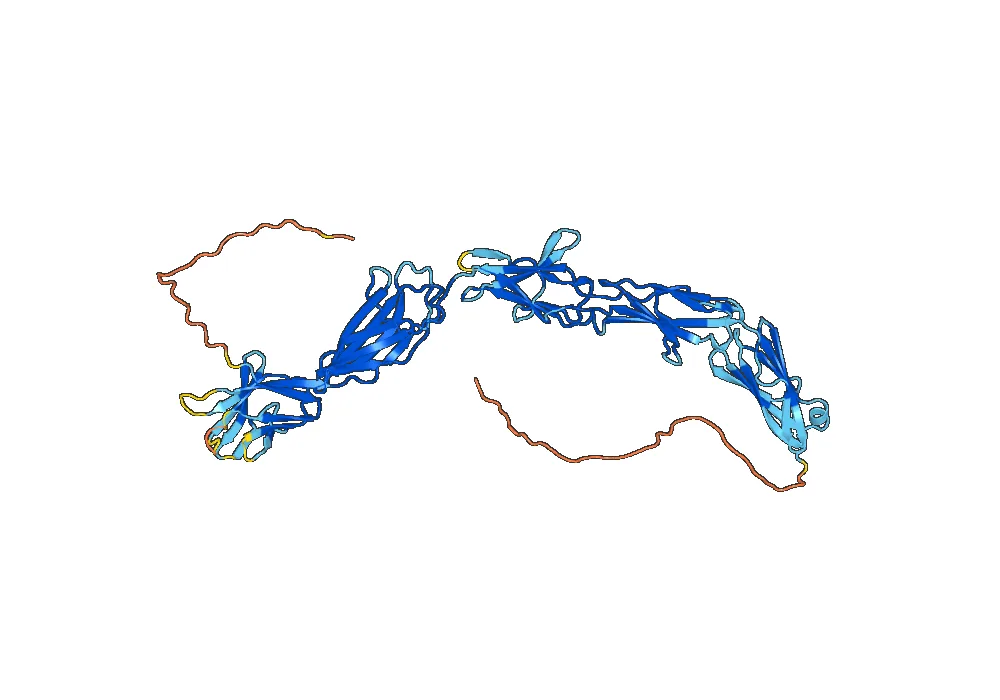
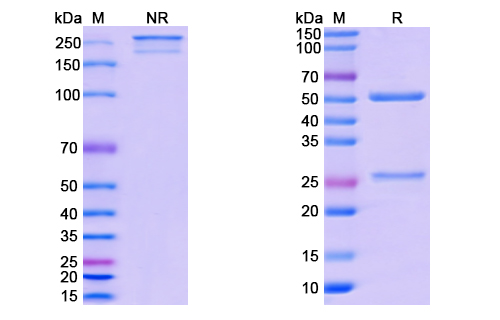
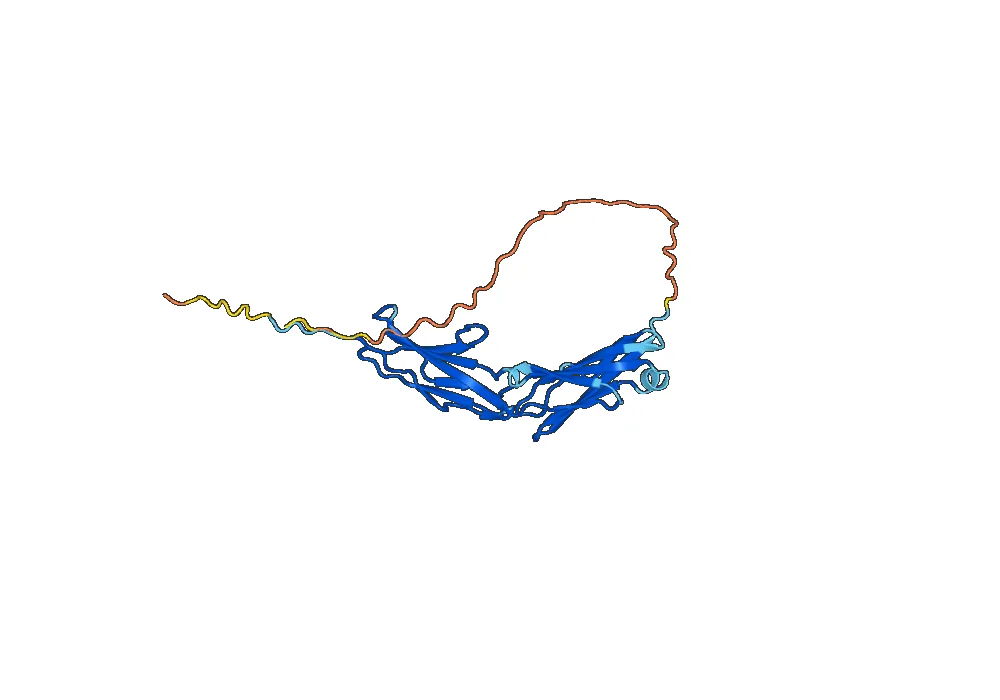
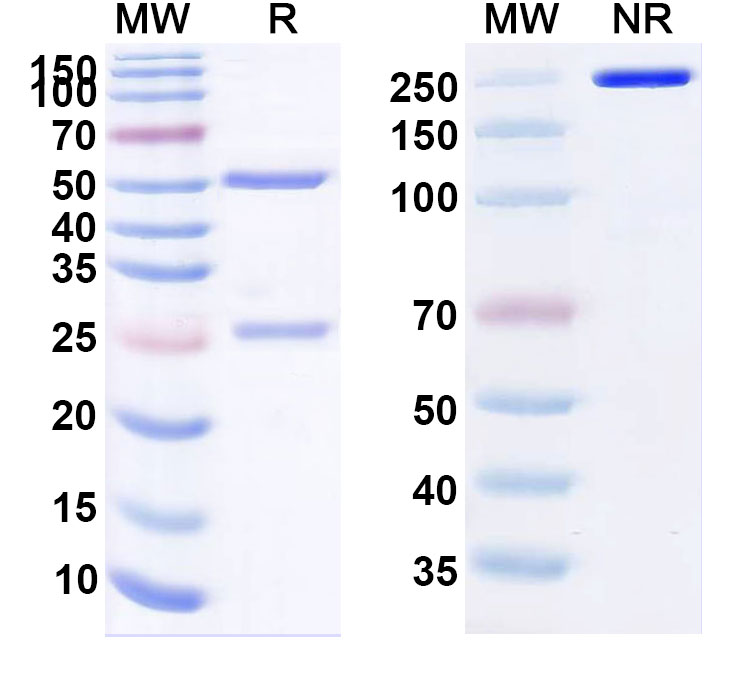
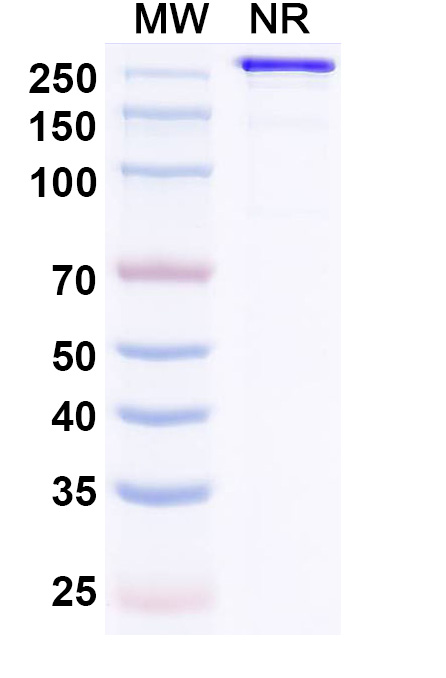
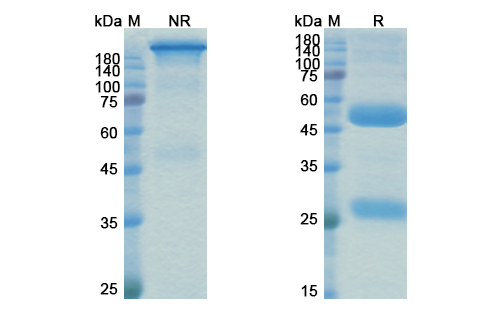
Abx-Ma1 Biosimilar is a monoclonal antibody that is produced by cloning and expressing the genes encoding the antibody in a host cell. The antibody has a molecular weight of approximately 150 kDa and is composed of two heavy chains and two light chains. The heavy chains are connected to each other and to the light chains by disulfide bonds, forming a Y-shaped structure. The variable regions of the antibody, which are responsible for binding to the target protein, are located at the tips of the Y-shaped structure.
Activity of Abx-Ma1 Biosimilar
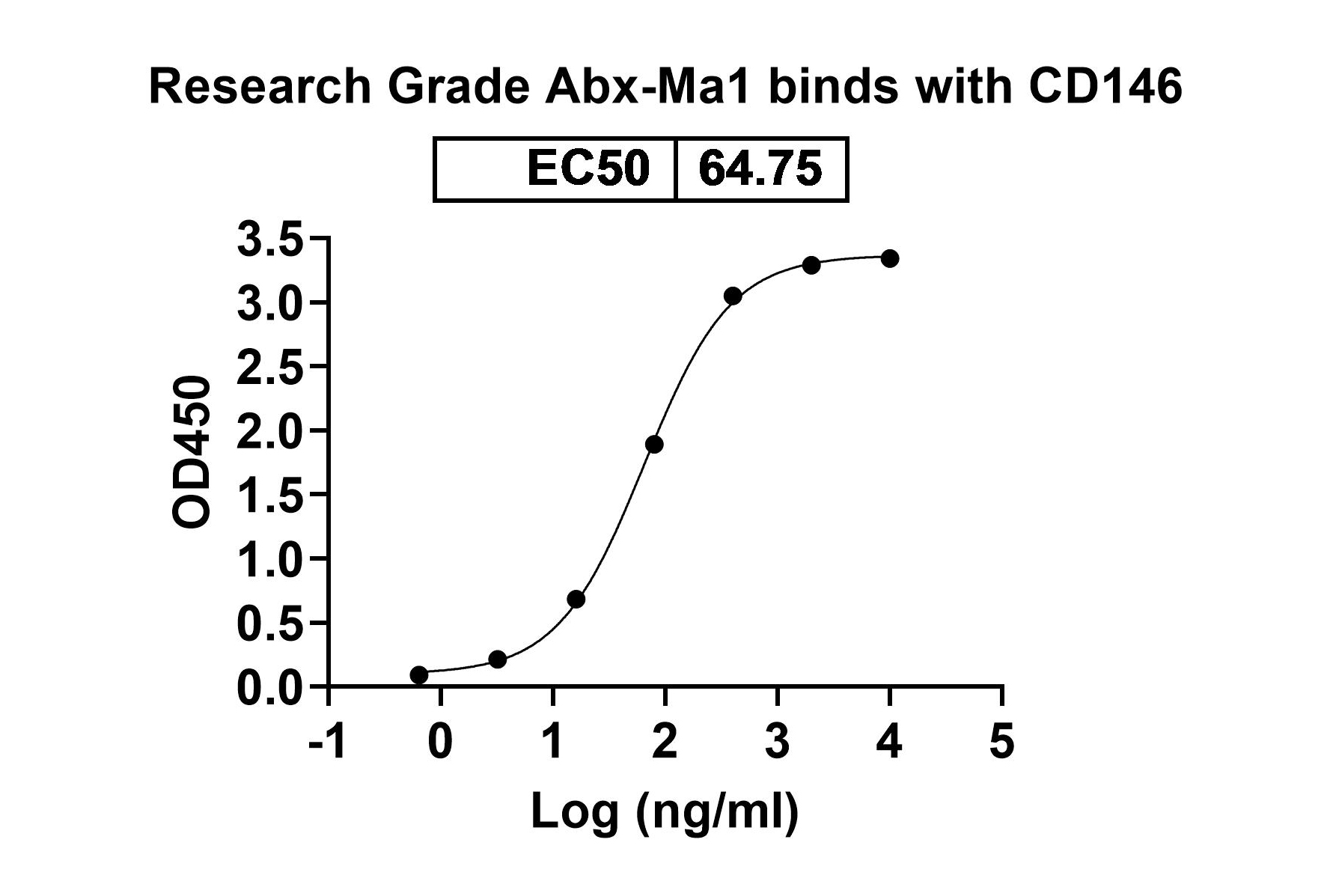
The primary activity of Abx-Ma1 Biosimilar is its ability to bind specifically to the CD146 protein. This binding occurs through the variable regions of the antibody, which recognize and bind to specific amino acid sequences on the CD146 protein. This binding leads to the formation of an antibody-antigen complex, which can have various downstream effects depending on the experimental conditions.
One of the main functions of CD146 is its role in cell adhesion. By binding to CD146, Abx-Ma1 Biosimilar can modulate cell adhesion and migration, which can be useful in studying various cellular processes. Additionally, CD146 has been implicated in angiogenesis, the process of forming new blood vessels. By targeting CD146, Abx-Ma1 Biosimilar can potentially inhibit angiogenesis, making it a potential therapeutic agent for diseases such as cancer.
Applications of Abx-Ma1 Biosimilar
Abx-Ma1 Biosimilar has a wide range of potential applications in research. One of the main uses of this antibody is in the study of CD146 and its role in various physiological processes. By specifically targeting CD146, researchers can gain insights into the function of this protein and its potential role in disease.
Another potential application of Abx-Ma1 Biosimilar is in the development of therapeutic agents. As mentioned earlier, CD146 has been implicated in angiogenesis, making it a potential therapeutic target for diseases such as cancer. By using Abx-Ma1 Biosimilar, researchers can develop and test potential treatments that target CD146 and its downstream effects.
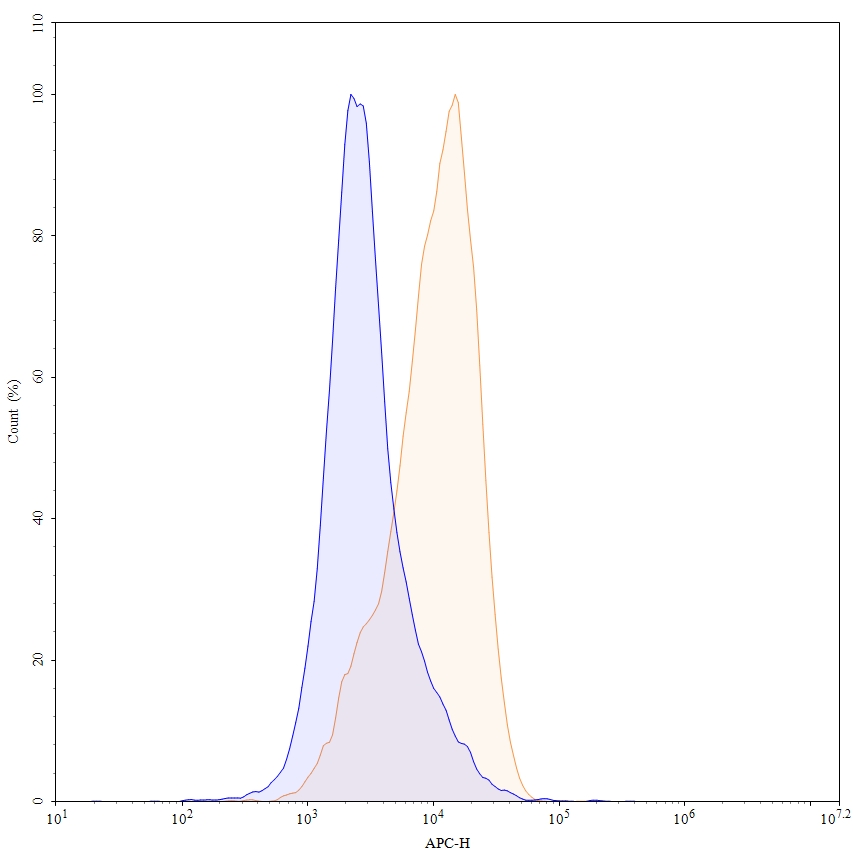
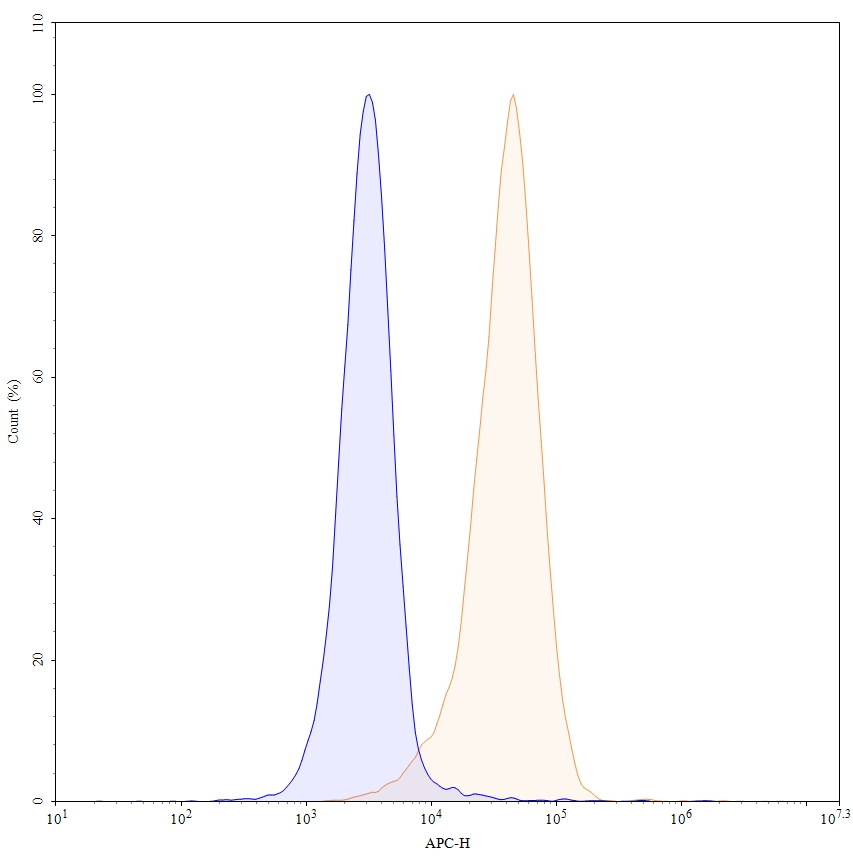
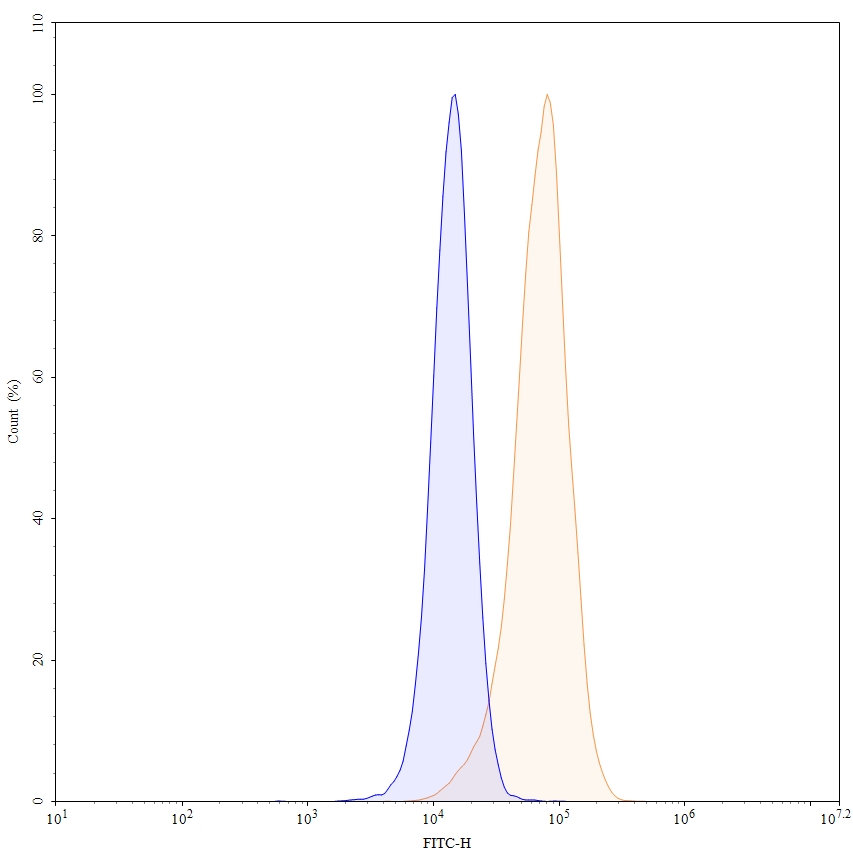
In addition to these applications, Abx-Ma1 Biosimilar can also be used in various techniques such as flow cytometry, immunohistochemistry, and Western blotting. These techniques allow for the detection and quantification of CD146 in various samples, providing valuable information for research purposes.
Conclusion
In conclusion, Abx-Ma1 Biosimilar is a research grade antibody that specifically targets the CD146 protein. Its unique structure and activity make it a valuable tool for studying the role of CD146 in various physiological processes. Additionally, its potential applications in therapeutic development and various research techniques make it a versatile antibody for a wide range of research purposes.

There are no reviews yet.