It looks like you are visiting from outside the EU. Switch to the US version to see local pricing in USD and local shipping.

Switch to US ($)

Get 25% off your first bioreagent online order — use code: PROTEOSHOP25

Therapeutic Antibodies - Biosimilars

Benefit from the unique properties of therapeutic antibodies
Therapeutic antibodies are a rapidly evolving class of drugs that has been gaining ground over small molecules for the treatment of cancer, autoimmune diseases, and reversal of drug effects. Their success in the clinic stems from their ability to engage specific targets (i.e. antigens) through their antigen-binding region (Fab) and, at the same time, activate the organism’s immune response through their crystallizable region (Fc).

Most therapeutic antibodies in clinical use are humanized or human monoclonal molecules (mAbs). These molecules are typically generated through hybridomas in mice or transgenic mice (harboring human antibody genes) or phage display of vast antibody libraries (naïve, immune, semi-synthetic, or synthetic libraries).
Find the therapeutic antibody adapted to your needs in our shop
These mAbs can be classified according to the effector functions they can trigger. For instance, they can block specific pathogens or pathophysiological pathways. In this case, these therapeutic antibodies are termed neutralizing. Antibodies can also be designed to recruit specific cytotoxic cells (i.e. macrophages and natural killer cells), triggering the so-called antibody-dependent cell-mediated cytotoxic (ADCC) activity. Additionally, mAbs can trigger a cascade of complement proteins that lead the production of a complex that, in turn, triggers the lysis of the targeted cell. This mechanism is known as the complement-dependent cytotoxic (CDC) activity.

Most therapeutic antibodies, especially the ones developed for cancer, can trigger more than one type of immune response (neutralizing, ADCC, an CDC) in patients. The type of the effector function an antibody can trigger heavily depends on the glycosylation patterns of the Fc regions.

Glycans can cause significant differences in conformation, which results in changes in antibody affinity and the ability to activate the complement system. For this reason, the efficiency of therapeutic antibodies depends on the recombinant expression system used to produce them. For many years, CHO (Chinese hamster ovary) cells have been the most important mammalian cell lines used in therapeutic antibody production. They are prized for their ability to produce mAbs with human-like glycosylation, crucial to trigger essential effector responses in the human organism.
1,347 products
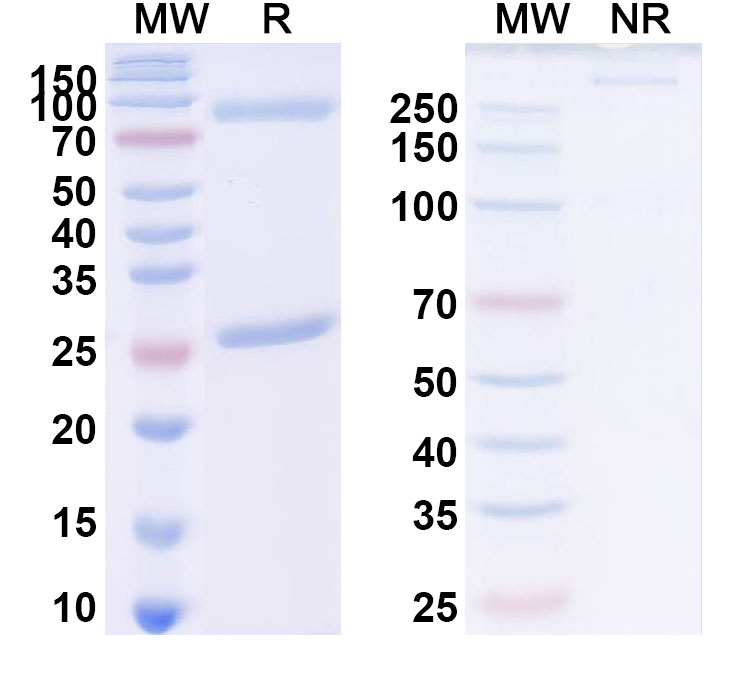
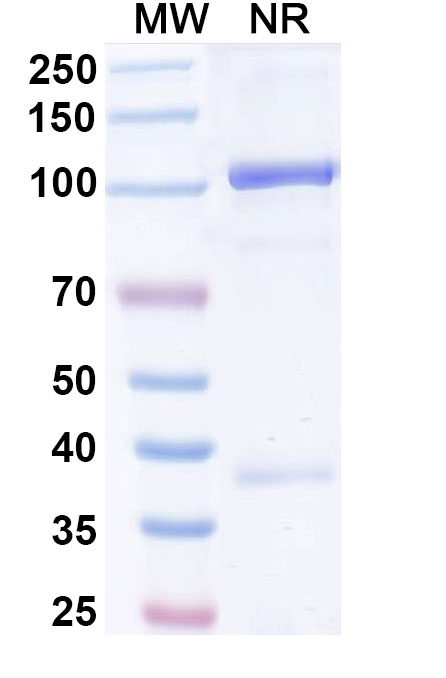
  • SDS-PAGE for Ecleralimab Biosimilar - Anti-TSLP mAb - Research Grade

    Ecleralimab Biosimilar - Anti-TSLP mAb - Research Grade

    • PX-TA1783
    Clonality:
    Monoclonal Antibody
    Isotype:
    Fab-G1-lambda2
    Brand:
    ProteoGenix
    Size:
    100ug, 1MG, 50ug
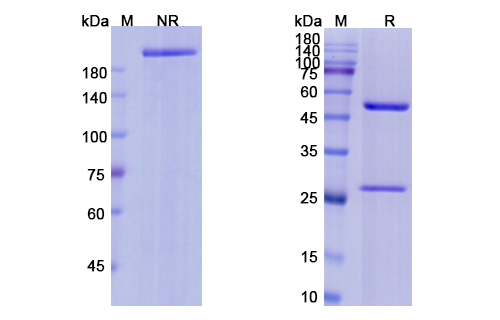
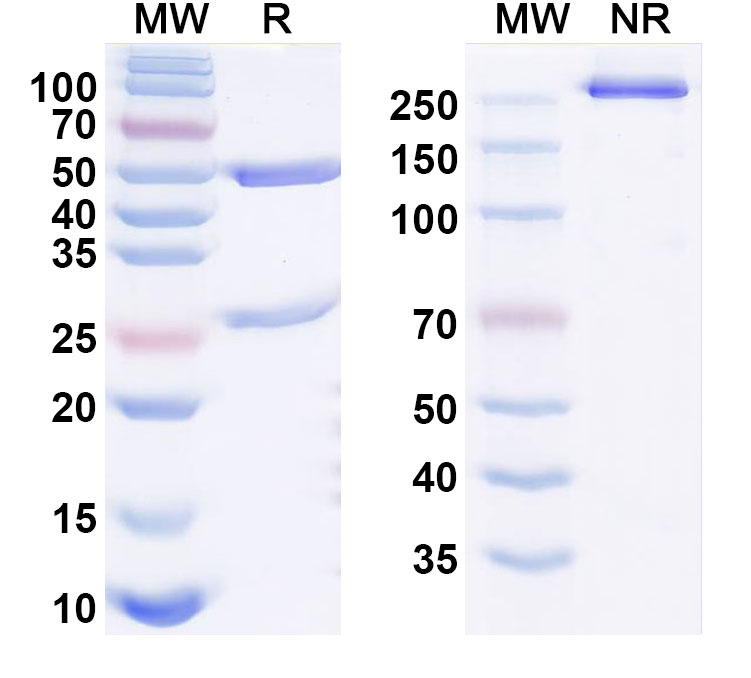
  • SDS-PAGE for Eclutatug Biosimilar - Research Grade

    Eclutatug Biosimilar - Research Grade

    • PX-TA2319
    Clonality:
    Monoclonal antibody
    Host species:
    Mammalian cells
    Isotype:
    IgG1, Kappa
    Brand:
    ProteoGenix
    Size:
    100ug, 1MG, 50ug
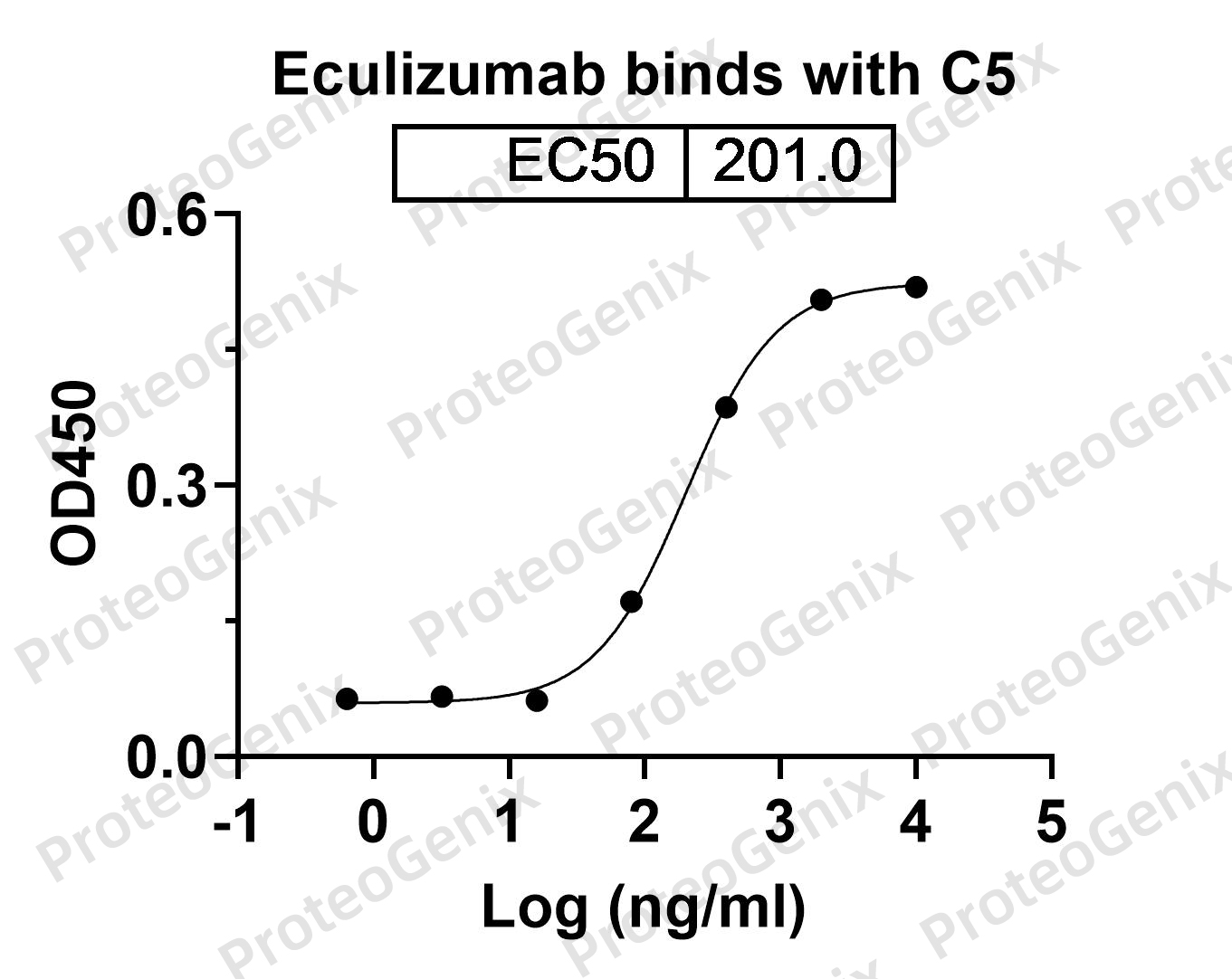
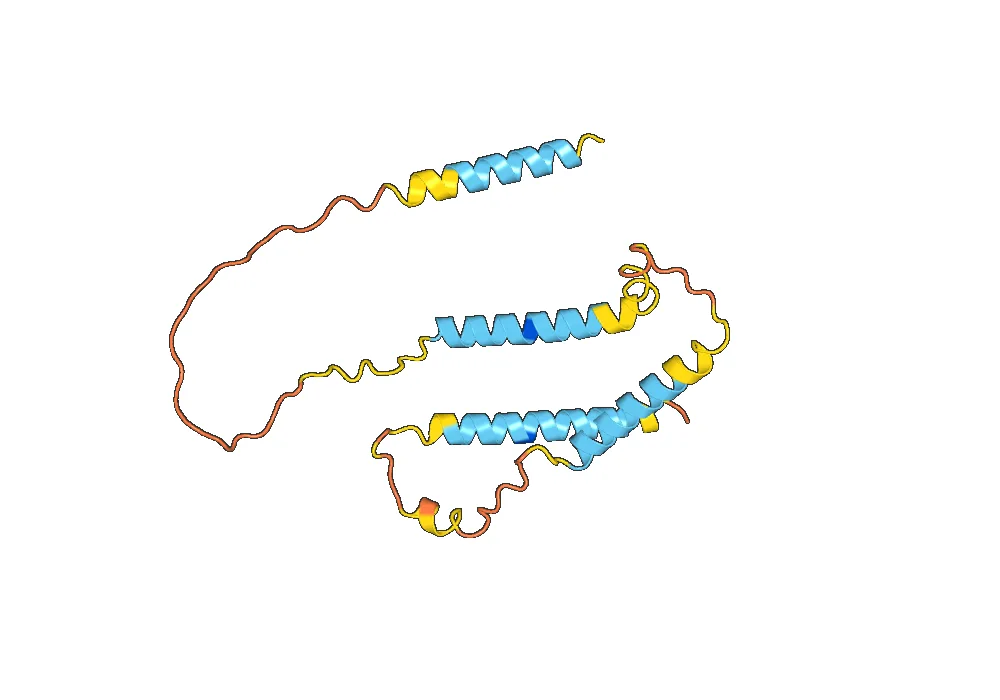
  • Eculizumab Biosimilar - Anti-C5 mAb - Research Grade binds to Human C5 recombinant protein in ELISA assay

    Eculizumab Biosimilar - Anti-C5 mAb - Research Grade

    • PX-TA1039
    • 1 publication
    • Validated ELISA
    Isotype:
    IgG2-G4-kappa
    Brand:
    ProteoGenix
    Size:
    100ug, 1MG, 50ug
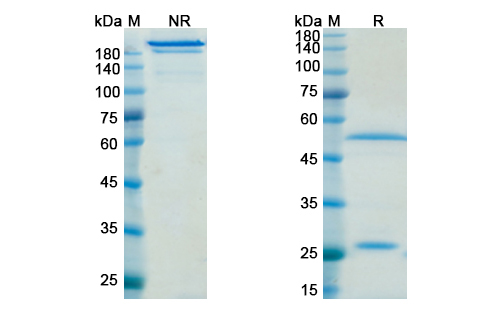
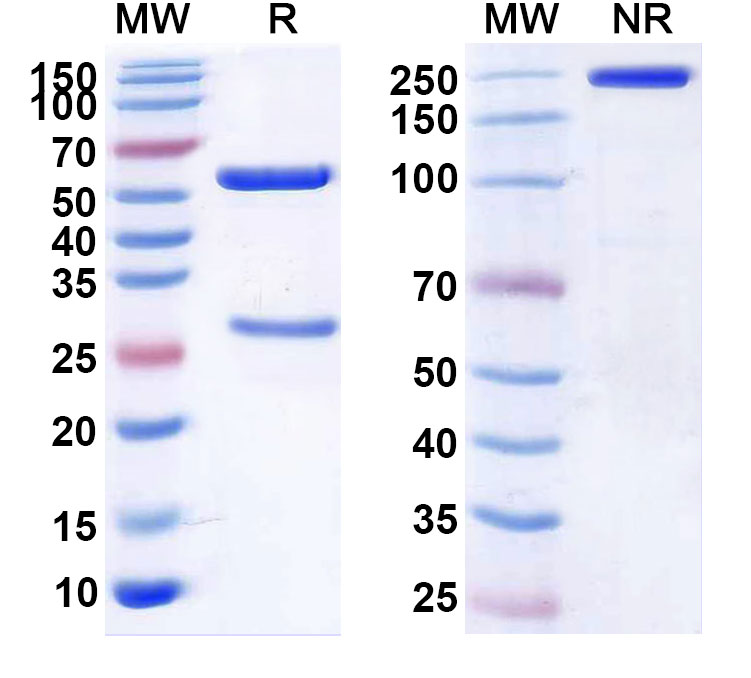
  • SDS-PAGE for Edrecolomab Biosimilar - Anti-EPCAM mAb - Research Grade

    Edrecolomab Biosimilar - Anti-EPCAM mAb - Research Grade

    • PX-TA1081
    • Validated ELISA WB
    Clonality:
    Monoclonal Antibody
    Isotype:
    IgG2a, kappa
    Brand:
    ProteoGenix
    Size:
    100ug, 1MG, 50ug
  • Efarindodekin alfa Biosimilar - Research Grade

    Efarindodekin alfa Biosimilar - Research Grade

    • PX-TA2388
    Clonality:
    Monoclonal antibody
    Host species:
    Mammalian cells
    Brand:
    ProteoGenix
    Size:
    100ug, 1MG, 50ug
  • Efclarofusp alfa Biosimilar - Research Grade

    Efclarofusp alfa Biosimilar - Research Grade

    • PX-TA2371
    Clonality:
    Monoclonal antibody
    Host species:
    Mammalian cells
    Brand:
    ProteoGenix
    Size:
    100ug, 1MG, 50ug
  • Efdelikofusp alfa Biosimilar - Research Grade

    Efdelikofusp alfa Biosimilar - Research Grade

    • PX-TA2392
    Clonality:
    Monoclonal antibody
    Host species:
    Mammalian cells
    Brand:
    ProteoGenix
    Size:
    100ug, 1MG, 50ug
  • Efdoralprin alfa Biosimilar - Research Grade

    Efdoralprin alfa Biosimilar - Research Grade

    • PX-TA2322
    Clonality:
    Monoclonal antibody
    Host species:
    Mammalian cells
    Brand:
    ProteoGenix
    Size:
    100ug, 1MG, 50ug
  • Efgitasialase alfa Biosimilar - Research Grade

    Efgitasialase alfa Biosimilar - Research Grade

    • PX-TA2455
    Clonality:
    Monoclonal antibody
    Host species:
    Mammalian cells
    Brand:
    ProteoGenix
    Size:
    100ug, 1MG, 50ug
  • Efitazanamivir alfa Biosimilar - Research Grade

    Efitazanamivir alfa Biosimilar - Research Grade

    • PX-TA2328
    Clonality:
    Monoclonal antibody
    Host species:
    Mammalian cells
    Brand:
    ProteoGenix
    Size:
    100ug, 1MG, 50ug
  • Eflumenibep alfa Biosimilar - Research Grade

    Eflumenibep alfa Biosimilar - Research Grade

    • PX-TA2470
    Clonality:
    Monoclonal antibody
    Host species:
    Mammalian cells
    Isotype:
    SPINK2-Fc
    Brand:
    ProteoGenix
    Size:
    100ug, 1MG, 50ug
  • Efmedaglutide alfa Biosimilar - Research Grade

    Efmedaglutide alfa Biosimilar - Research Grade

    • PX-TA2397
    Clonality:
    Monoclonal antibody
    Host species:
    Mammalian cells
    Brand:
    ProteoGenix
    Size:
    100ug, 1MG, 50ug

Need a quote or more information? Contact us!

    Cart (0 Items)

    Your cart is currently empty.

    View Products