Introduction
Zuberitamab Biosimilar, also known as Anti-MS4A1 mAb, is a research grade monoclonal antibody that has shown promising potential in the treatment of various diseases. This antibody is designed to target the MS4A1 protein, which is found on the surface of B-cells and plays a crucial role in the development and function of these immune cells. In this article, we will discuss the structure, activity, and potential applications of Zuberitamab Biosimilar.
Structure of Zuberitamab Biosimilar
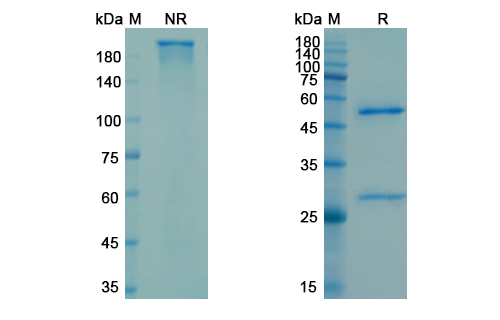
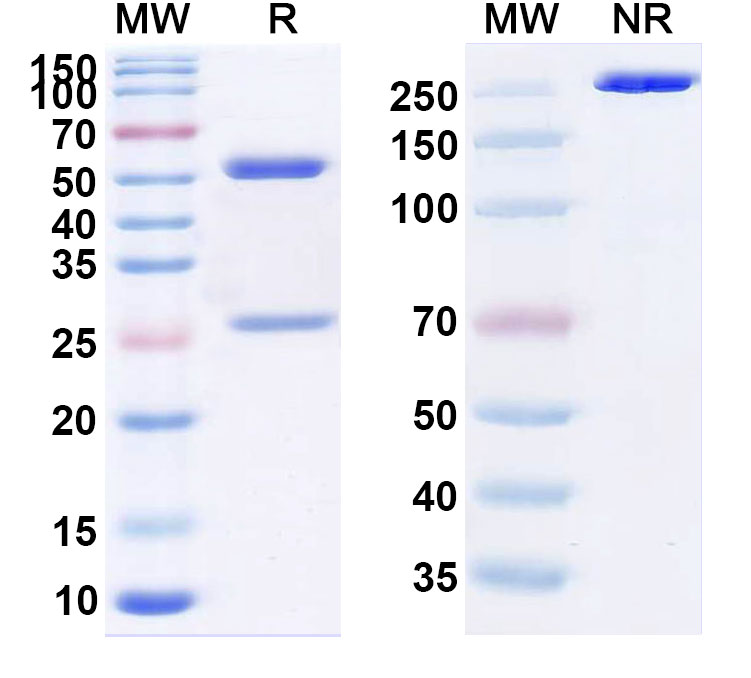
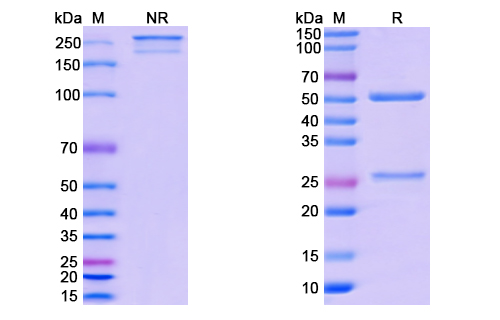
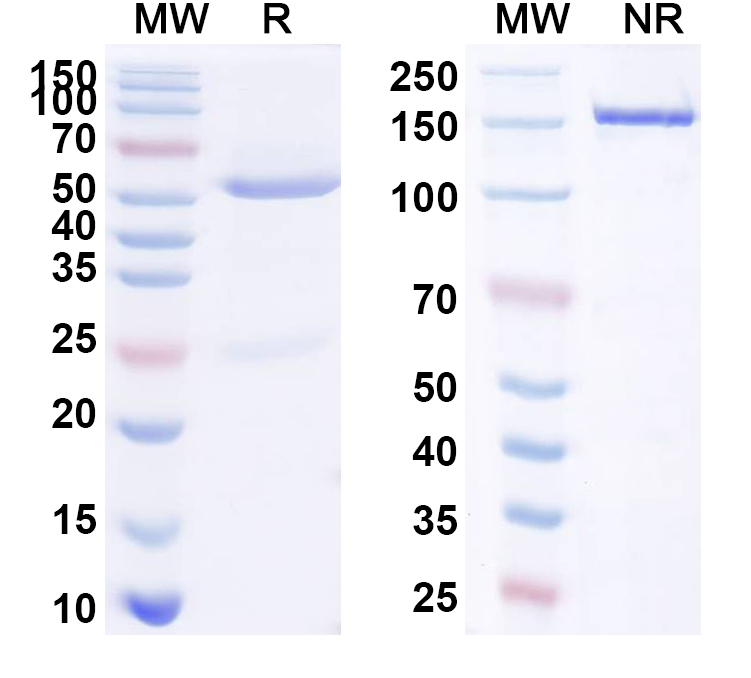
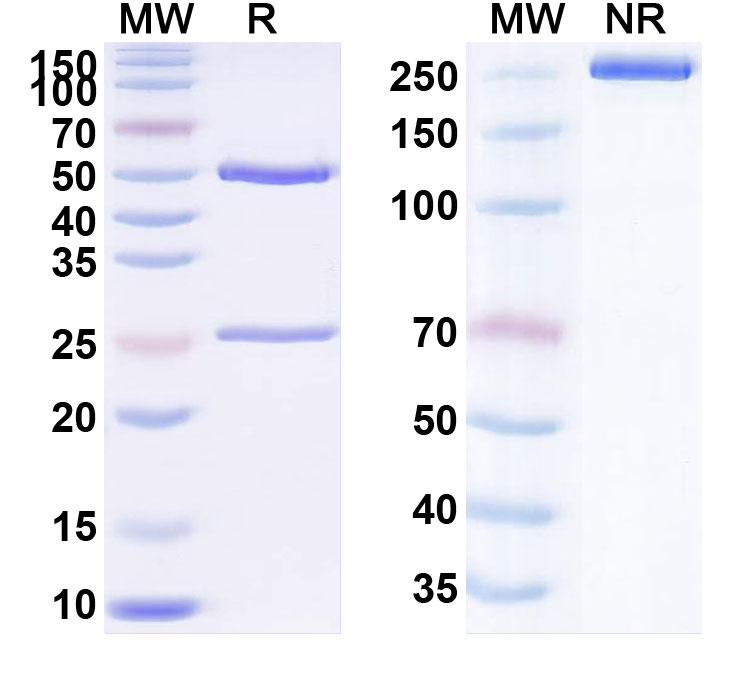
Zuberitamab Biosimilar is a recombinant, fully humanized monoclonal antibody, meaning that it is produced in a laboratory using human genes. It is composed of two heavy chains and two light chains, which are connected by disulfide bonds to form a Y-shaped structure. The heavy chains are made up of approximately 450 amino acids, while the light chains consist of about 220 amino acids.
The variable regions of Zuberitamab Biosimilar, also known as the antigen-binding regions, are located at the tips of the Y-shaped structure. These regions are responsible for binding to the MS4A1 protein, while the constant regions of the antibody play a role in activating the immune system.
Activity of Zuberitamab Biosimilar
Zuberitamab Biosimilar works by binding to the MS4A1 protein on the surface of B-cells. This binding prevents the MS4A1 protein from interacting with other proteins, which in turn inhibits the growth and survival of B-cells. This is particularly important in diseases where B-cells are overactive, such as autoimmune disorders and certain types of cancer.
In addition to directly targeting B-cells, Zuberitamab Biosimilar also activates the immune system to attack and destroy these cells. This is achieved through the constant regions of the antibody, which bind to immune cells and trigger a cascade of events that ultimately lead to the destruction of the targeted B-cells.
Potential Applications of Zuberitamab Biosimilar
Zuberitamab Biosimilar has shown promising results in preclinical studies for the treatment of various diseases, including multiple sclerosis, rheumatoid arthritis, and B-cell lymphomas. In multiple sclerosis, Zuberitamab Biosimilar has been shown to reduce the number of B-cells in the brain and spinal cord, which are responsible for causing inflammation and damage in this disease.
In rheumatoid arthritis, Zuberitamab Biosimilar has been shown to decrease the production of inflammatory molecules by B-cells, leading to a reduction in joint inflammation and pain. This antibody has also shown potential in the treatment of B-cell lymphomas, where it has been shown to induce cell death in cancerous B-cells.
Conclusion
In summary, Zuberitamab Biosimilar is a research grade monoclonal antibody that targets the MS4A1 protein on the surface of B-cells. It works by inhibiting the growth and survival of these cells and activating the immune system to destroy them. This antibody has shown promising potential in the treatment of various diseases, and further clinical studies are needed to fully understand its therapeutic benefits.


There are no reviews yet.