Introduction to Zampilimab ELISA Kit
Zampilimab is a human monoclonal antibody that targets the CD40 ligand (CD40L) protein, a key regulator of immune responses. This antibody has shown promising results in preclinical studies and is currently being evaluated in clinical trials as a potential therapeutic for various autoimmune and inflammatory diseases.
Structure of Zampilimab
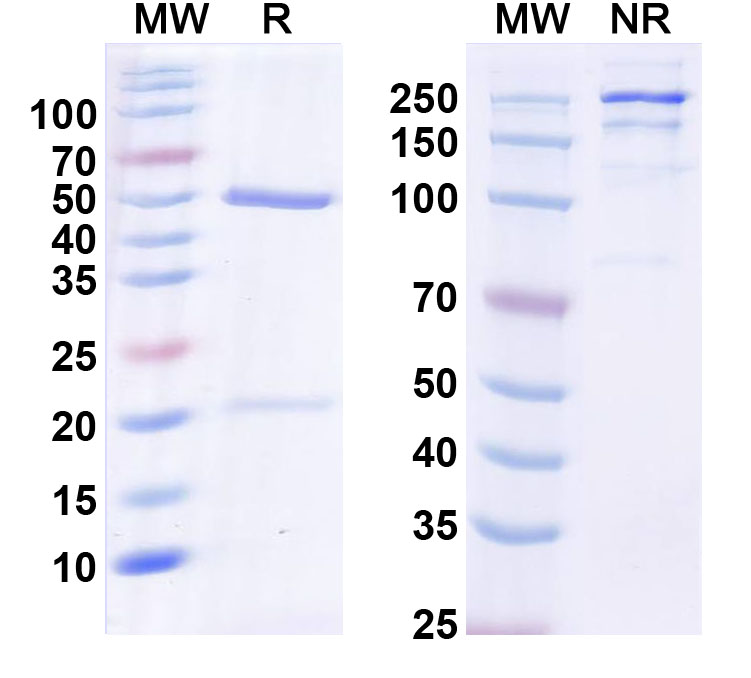
Zampilimab is a fully human IgG1 monoclonal antibody that was developed using phage display technology. It consists of two heavy chains and two light chains, each containing variable and constant regions. The variable regions are responsible for binding to the CD40L protein, while the constant regions determine the effector functions of the antibody.
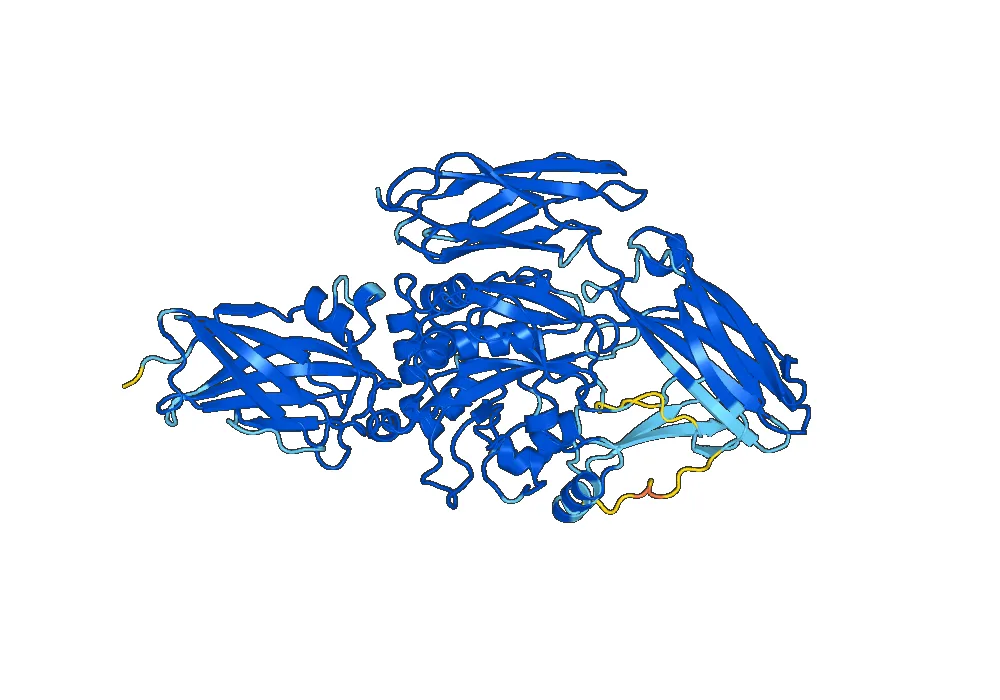
The crystal structure of Zampilimab has been determined, revealing its binding site on the CD40L protein. The antibody binds to a specific region on the CD40L protein, preventing its interaction with its receptor, CD40. This blockade of the CD40L-CD40 interaction is crucial for the therapeutic activity of Zampilimab.
Mechanism of Action
The main mechanism of action of Zampilimab is its ability to block the CD40L-CD40 interaction. This interaction is essential for the activation and differentiation of immune cells, including B cells, T cells, and antigen-presenting cells. By blocking this interaction, Zampilimab inhibits the production of pro-inflammatory cytokines and the proliferation of immune cells, leading to a decrease in the overall inflammatory response.
In addition to its direct effect on CD40L, Zampilimab also has indirect effects on other immune cells. It can modulate the function of regulatory T cells, which play a critical role in maintaining immune homeostasis. By promoting the activity of regulatory T cells, Zampilimab can further dampen the inflammatory response and restore immune balance.
Applications of Zampilimab ELISA Kit
The Zampilimab ELISA Kit is a valuable tool for measuring the levels of Zampilimab in biological samples. This kit utilizes a sandwich ELISA format, where the antibody is immobilized on a microplate and used to capture Zampilimab from the sample. A detection antibody, specific for a different epitope on Zampilimab, is then added, followed by a colorimetric or chemiluminescent substrate. The intensity of the signal is proportional to the amount of Zampilimab present in the sample.
The Zampilimab ELISA Kit has several applications, including pharmacokinetic studies, biomarker analysis, and quality control of Zampilimab production. By measuring the levels of Zampilimab in different samples, researchers can better understand the pharmacokinetics of the antibody and its distribution in the body. This information is crucial for optimizing dosing regimens and predicting potential drug-drug interactions.
Conclusion
Zampilimab is a promising therapeutic antibody that targets the CD40L protein. Its unique mechanism of action and potential to modulate the immune response make it a promising candidate for the treatment of autoimmune and inflammatory diseases. The Zampilimab ELISA Kit is a valuable tool for measuring the levels of Zampilimab in biological samples, providing crucial information for the development and use of this therapeutic antibody.
Keywords: Zampilimab, CD40 ligand, monoclonal antibody, ELISA, pharmacokinetics
There are no reviews yet.