Introduction
Zampilimab biosimilar, also known as anti-TGM2 mAb, is a monoclonal antibody that targets transglutaminase 2 (TGM2) and has been developed for therapeutic use. This antibody has shown promising results in pre-clinical studies and is currently being evaluated for its potential applications in various diseases. In this article, we will discuss the structure, activity, and potential applications of Zampilimab biosimilar.
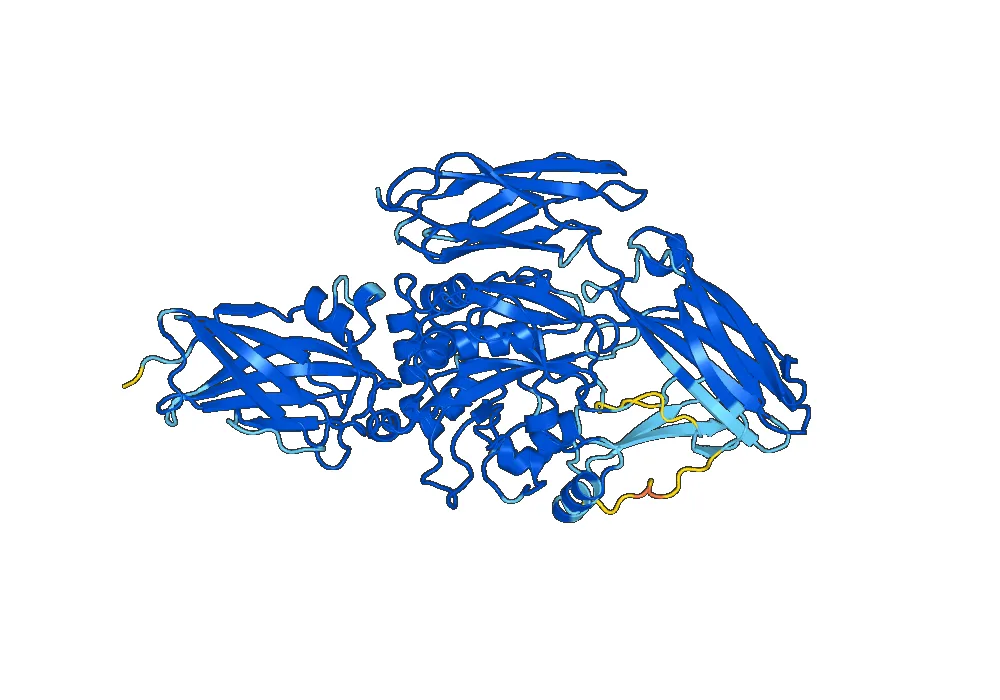
Structure of Zampilimab Biosimilar
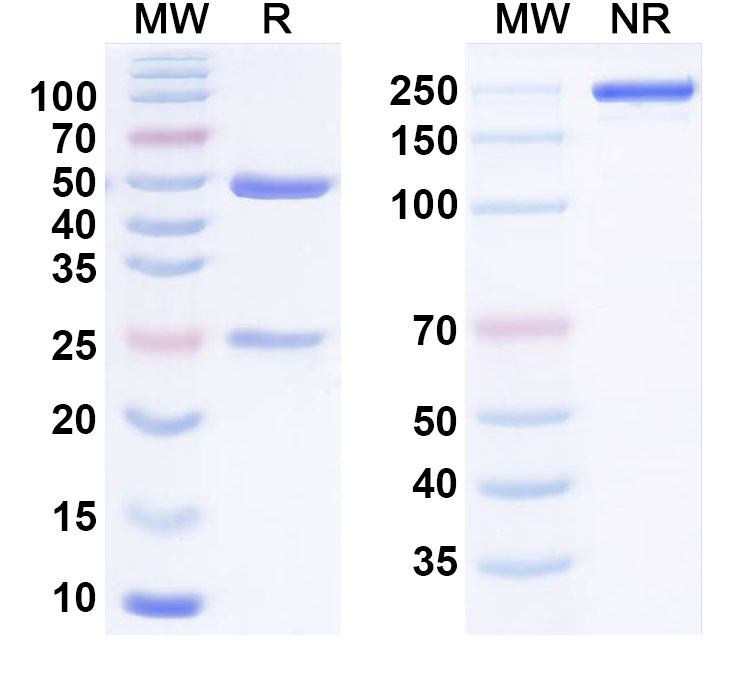
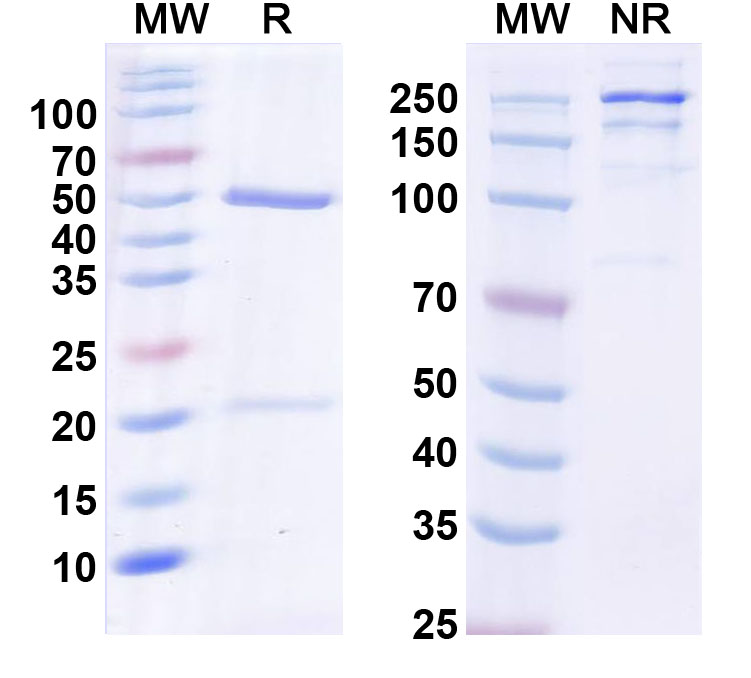
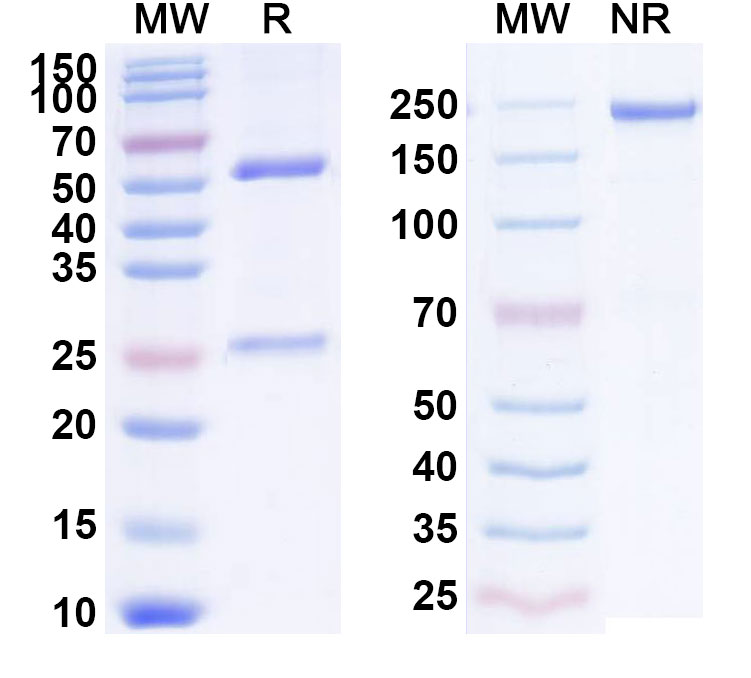
Zampilimab biosimilar is a recombinant humanized monoclonal antibody that has been designed to target TGM2. It is a glycosylated immunoglobulin G1 (IgG1) antibody with a molecular weight of approximately 150 kDa. The antibody is composed of two heavy chains and two light chains, each containing a variable and constant region. The variable region is responsible for binding to TGM2, while the constant region is responsible for mediating effector functions.
The amino acid sequence of Zampilimab biosimilar is highly homologous to the original antibody, ensuring its specificity and efficacy. The antibody has been engineered to have a longer half-life, which allows for a longer duration of action and potentially reduces the frequency of dosing.
Activity of Zampilimab Biosimilar
Zampilimab biosimilar works by binding to TGM2, a protein that plays a crucial role in various cellular processes, including cell adhesion, migration, and apoptosis. TGM2 is also known to be involved in the pathogenesis of several diseases, making it an attractive therapeutic target.
By binding to TGM2, Zampilimab biosimilar inhibits its activity and prevents it from carrying out its normal functions. This inhibition has been shown to have various effects, depending on the disease being targeted. For example, in autoimmune diseases, the inhibition of TGM2 can reduce the production of autoantibodies and modulate the immune response, leading to a decrease in disease severity. In cancer, the inhibition of TGM2 can prevent tumor growth and metastasis by interfering with cell adhesion and migration.
Potential Applications of Zampilimab Biosimilar
Zampilimab biosimilar has shown promising results in pre-clinical studies and is currently being evaluated for its potential applications in various diseases. Some of the diseases that are being targeted include autoimmune diseases, such as rheumatoid arthritis and systemic lupus erythematosus, and cancer, such as breast cancer and pancreatic cancer.
In autoimmune diseases, Zampilimab biosimilar has been shown to reduce disease severity and improve clinical symptoms in animal models. It has also been shown to have a synergistic effect when used in combination with other therapies, such as disease-modifying anti-rheumatic drugs (DMARDs).
In cancer, Zampilimab biosimilar has been shown to inhibit tumor growth and metastasis in animal models. It has also been shown to increase the efficacy of chemotherapy and radiotherapy when used in combination with these treatments.
Conclusion
Zampilimab biosimilar, also known as anti-TGM2 mAb, is a promising therapeutic agent that targets TGM2. Its unique structure and mechanism of action make it a potential treatment option for various diseases, including autoimmune diseases and cancer. Further clinical trials are needed to fully evaluate the safety and efficacy of this antibody, but initial results are promising. Zampilimab biosimilar has the potential to improve the lives of patients suffering from these diseases and may be a valuable addition to the current treatment options available.
There are no reviews yet.