Introduction
Vulinacimab Biosimilar, also known as Anti-VEGFR2 mAb, is a research grade monoclonal antibody that has been developed as a potential therapeutic agent for various diseases. This biosimilar is a highly specific and potent inhibitor of vascular endothelial growth factor receptor 2 (VEGFR2), which plays a crucial role in angiogenesis and tumor growth. In this article, we will provide a detailed scientific description of Vulinacimab Biosimilar, including its structure, activity, and potential applications.
Structure of Vulinacimab Biosimilar
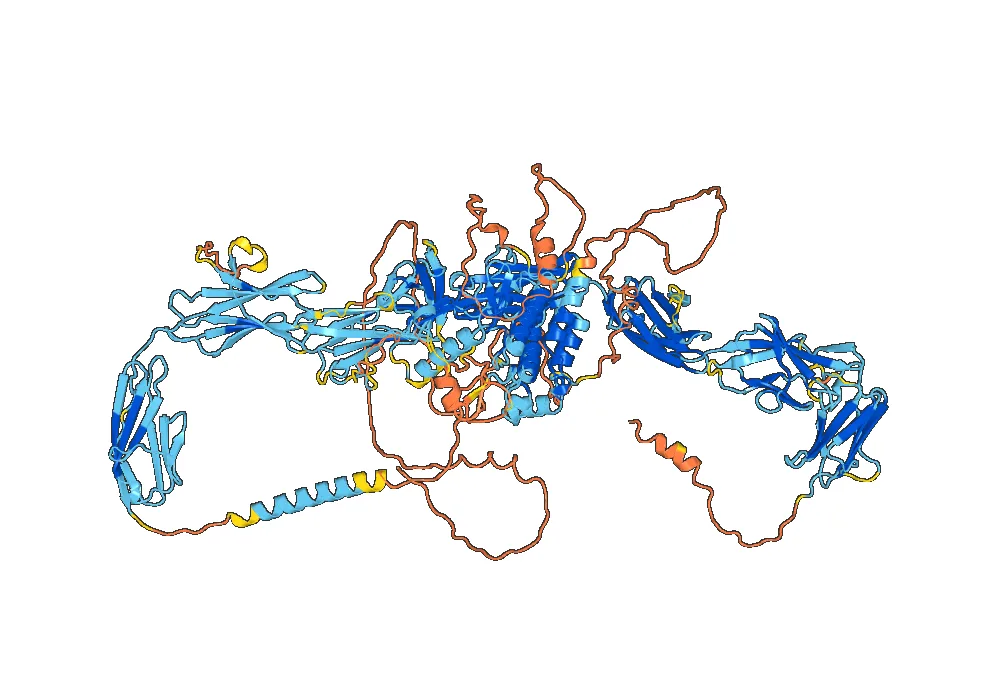
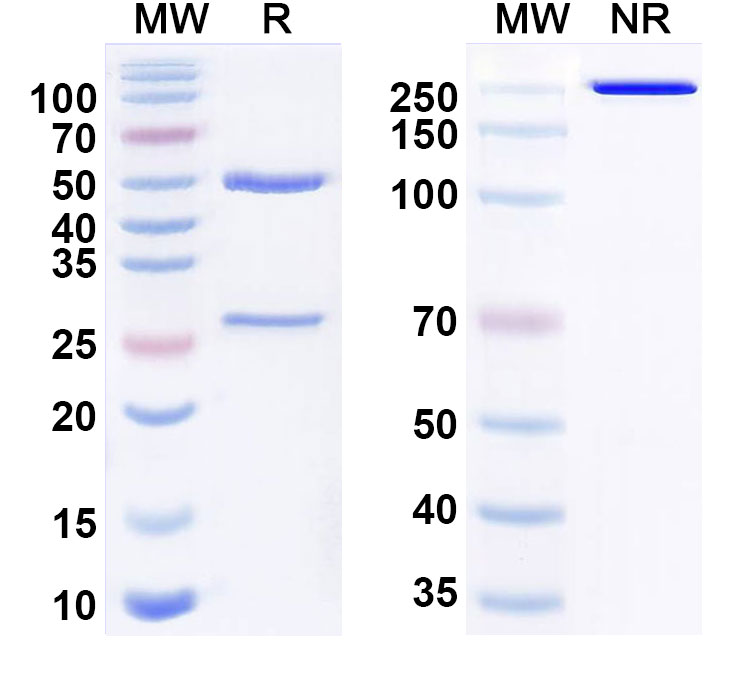
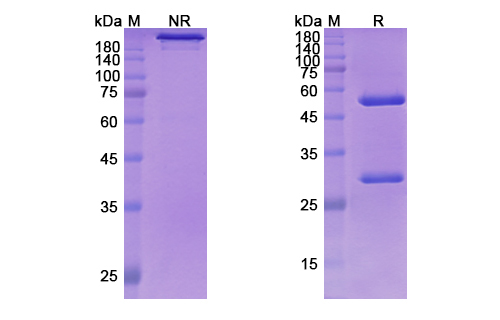
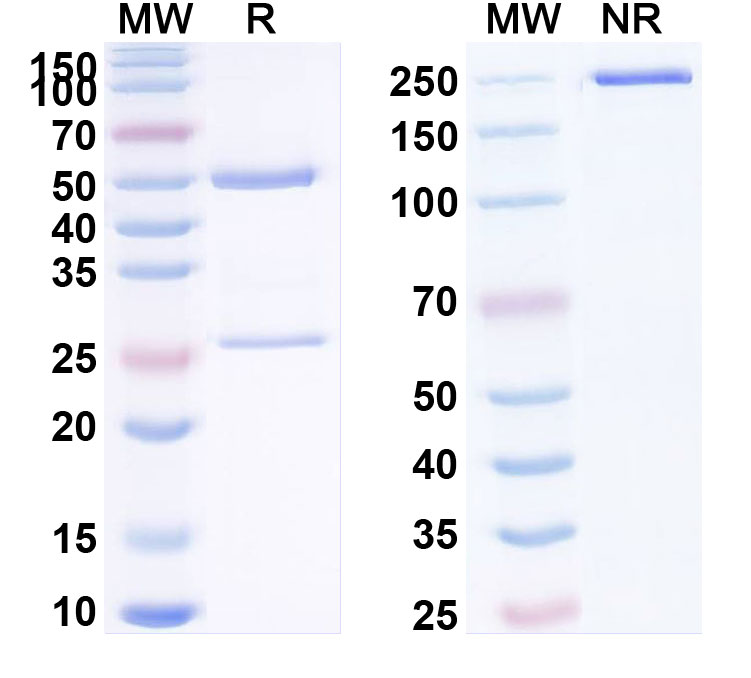
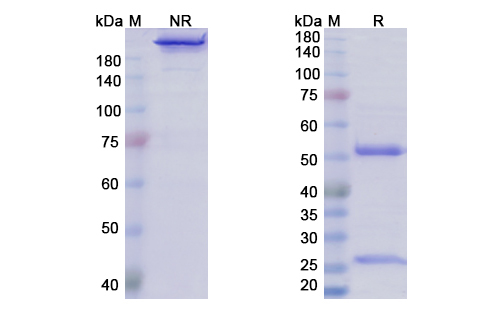
Vulinacimab Biosimilar is a recombinant humanized monoclonal antibody that is produced by genetic engineering techniques. It is composed of two heavy chains and two light chains, each containing a variable region and a constant region. The variable region of the antibody is responsible for its specificity towards VEGFR2, while the constant region confers stability and effector functions.
Activity of Vulinacimab Biosimilar
Vulinacimab Biosimilar binds to VEGFR2 with high affinity and specificity, inhibiting its downstream signaling pathways. VEGFR2 is a tyrosine kinase receptor that is primarily expressed on the surface of endothelial cells. Upon binding of its ligand, vascular endothelial growth factor (VEGF), VEGFR2 activates signaling cascades that promote angiogenesis, the formation of new blood vessels. In pathological conditions such as cancer, excessive angiogenesis can lead to tumor growth and metastasis. Vulinacimab Biosimilar blocks the binding of VEGF to VEGFR2, preventing its activation and subsequent angiogenic effects.
Applications of Vulinacimab Biosimilar
Vulinacimab Biosimilar has shown promising results in preclinical studies as a potential therapy for various diseases. Its main therapeutic target is VEGFR2, making it a potential treatment for cancers that overexpress this receptor, such as lung, breast, and colorectal cancer. In addition, VEGFR2 is also involved in other diseases such as age-related macular degeneration, diabetic retinopathy, and psoriasis, making Vulinacimab Biosimilar a potential treatment for these conditions as well.
Anti-tumor Activity
One of the main applications of Vulinacimab Biosimilar is its anti-tumor activity. In preclinical studies, this biosimilar has shown potent anti-angiogenic effects, leading to inhibition of tumor growth and metastasis. It has also been shown to enhance the efficacy of chemotherapy and radiotherapy in combination treatments, making it a potential adjuvant therapy for cancer patients.
Anti-angiogenic Activity
Apart from its anti-tumor effects, Vulinacimab Biosimilar has also demonstrated potent anti-angiogenic activity in various disease models. In animal models of age-related macular degeneration and diabetic retinopathy, this biosimilar has been shown to inhibit abnormal blood vessel growth in the eye, which is a major cause of vision loss in these conditions. In psoriasis, Vulinacimab Biosimilar has been shown to reduce inflammation and inhibit blood vessel formation in the skin, leading to improved symptoms.
Potential for Biosimilarity
One of the key advantages of Vulinacimab Biosimilar is its potential for biosimilarity to the original reference product. Biosimilars are highly similar versions of already approved biological drugs, with no clinically meaningful differences in terms of safety, purity, and potency. Vulinacimab Biosimilar has been extensively characterized and has shown comparable physicochemical and biological properties to the reference product, making it a viable alternative for patients.
Conclusion
In conclusion, Vulinacimab Biosimilar, also known as Anti-VEGFR2 mAb, is a research grade monoclonal antibody with high specificity and potency against VEGFR2. Its main therapeutic target is VEGFR2, making it a potential treatment for various diseases, including cancer, age-related macular degeneration, diabetic retinopathy, and psoriasis. With its promising preclinical data and potential for biosimilarity, Vulinacimab Biosimilar holds great potential as a
There are no reviews yet.