Introduction
Vimekofusp Biosimilar, also known as Anti-IL-10 mAb, is a research grade antibody that has shown promising results in the treatment of various diseases. This biosimilar is a monoclonal antibody that specifically targets interleukin-10 (IL-10), a cytokine that plays a crucial role in regulating the immune response. In this article, we will discuss the structure, activity, and potential applications of Vimekofusp Biosimilar.
Structure of Vimekofusp Biosimilar
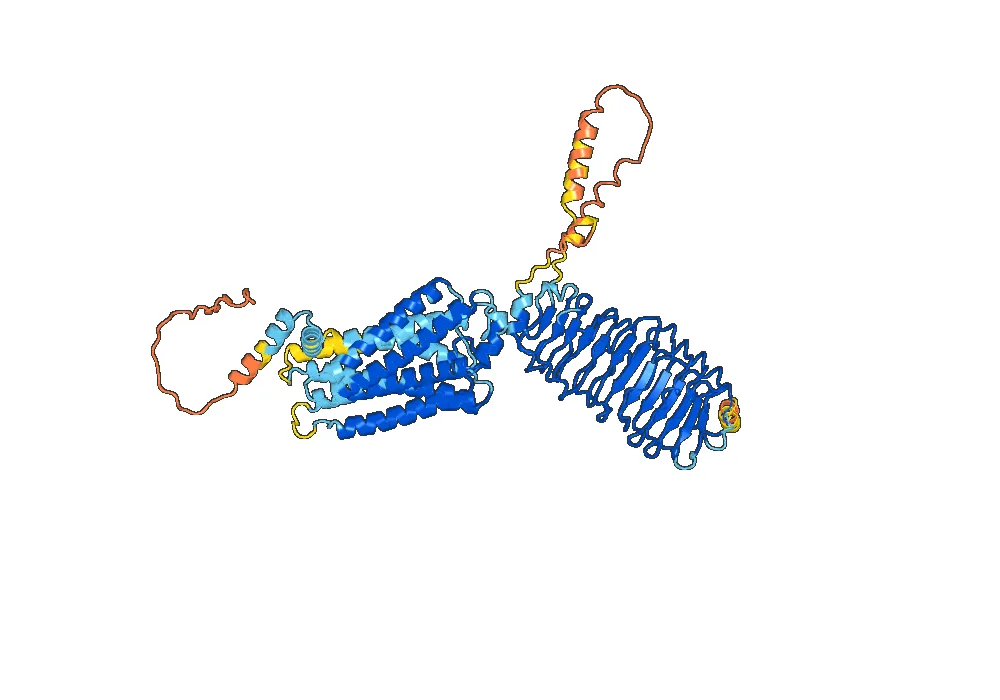
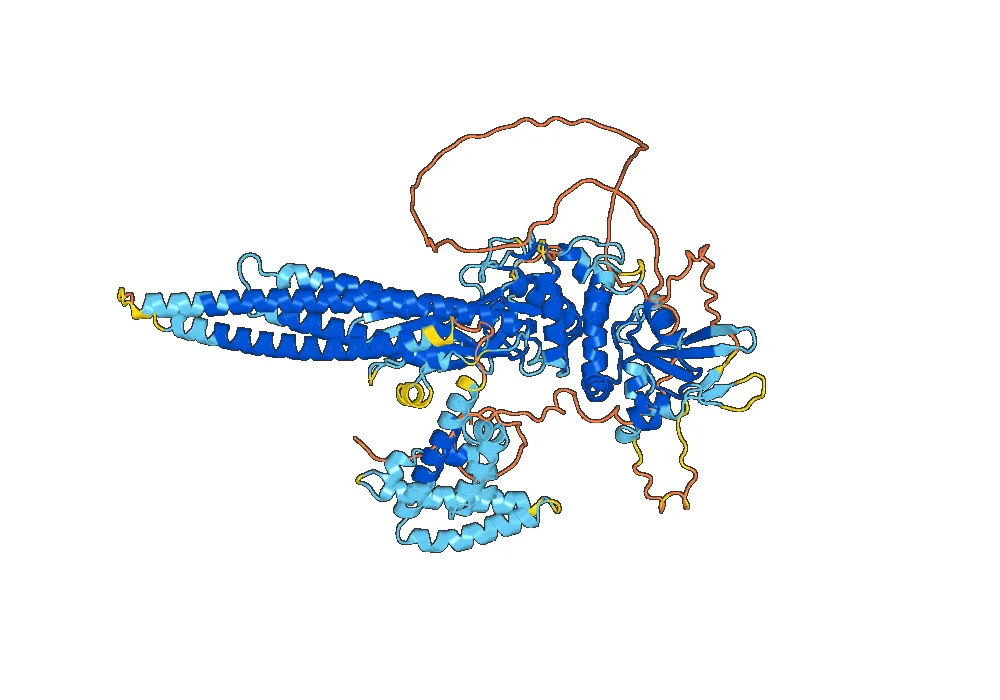
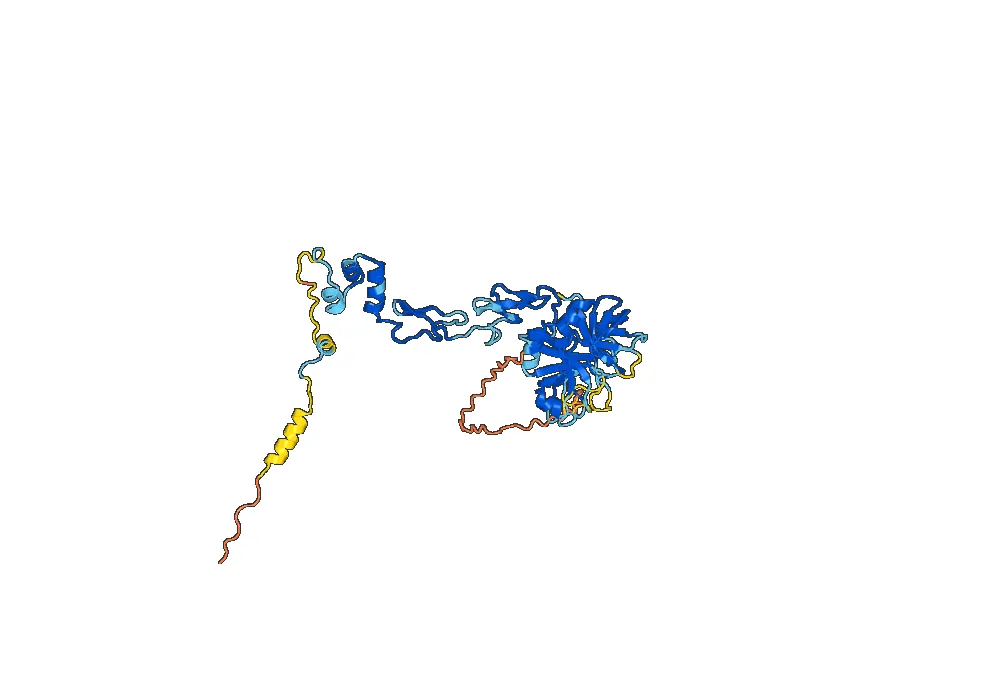
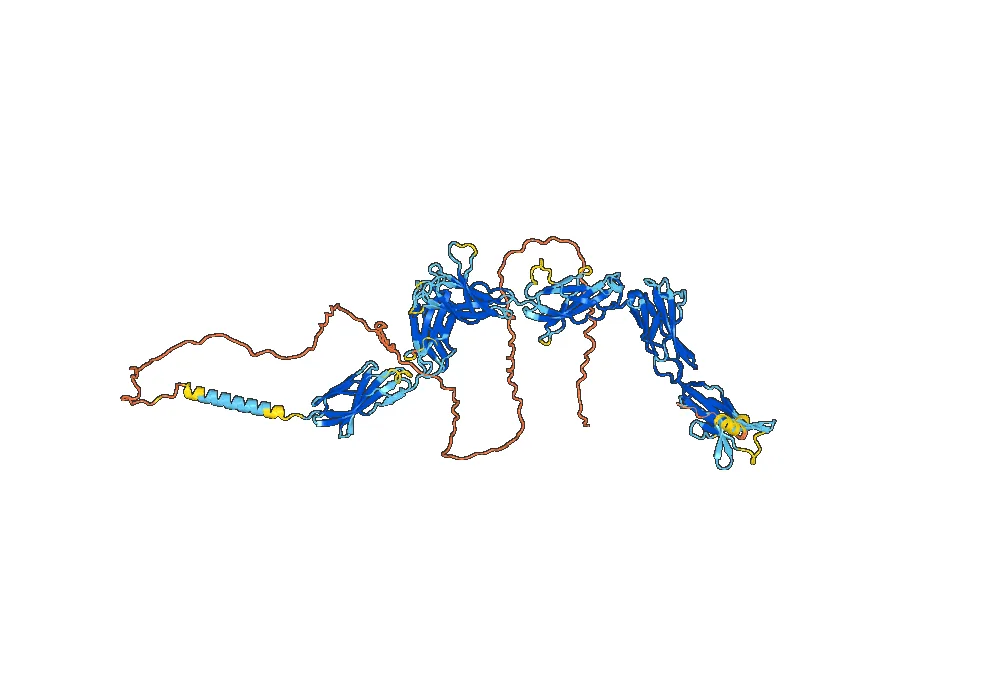
Vimekofusp Biosimilar is a recombinant humanized monoclonal antibody that is produced in a laboratory using genetic engineering techniques. It is composed of two heavy chains and two light chains, each containing a variable region and a constant region. The variable region is responsible for binding to IL-10, while the constant region determines the antibody’s effector functions.
Activity of Vimekofusp Biosimilar
Vimekofusp Biosimilar exerts its activity by binding to IL-10 and preventing it from interacting with its receptors on immune cells. IL-10 is a cytokine that has both pro-inflammatory and anti-inflammatory effects, depending on the context. In certain diseases, such as autoimmune disorders, IL-10 promotes inflammation and tissue damage. By blocking IL-10, Vimekofusp Biosimilar helps to reduce inflammation and restore immune balance.
Potential Applications of Vimekofusp Biosimilar
Vimekofusp Biosimilar has shown promising results in preclinical and clinical studies for various diseases. Some of its potential applications include:
1. Autoimmune Diseases: Vimekofusp Biosimilar has been studied for its potential use in autoimmune diseases such as rheumatoid arthritis, Crohn’s disease, and multiple sclerosis. By blocking IL-10, it can help to reduce inflammation and improve symptoms in these conditions.
2.
Cancer: IL-10 has been shown to promote tumor growth and suppress the immune response against cancer cells. Vimekofusp Biosimilar has been investigated as a potential treatment for various types of cancer, including melanoma, pancreatic cancer, and breast cancer. By inhibiting IL-10, it can help to enhance the anti-tumor immune response and inhibit tumor growth.
3. Inflammatory Bowel Disease (IBD): IBD is a chronic inflammatory disorder of the gastrointestinal tract, which includes Crohn’s disease and ulcerative colitis. IL-10 plays a critical role in the pathogenesis of IBD, and Vimekofusp Biosimilar has shown promising results in preclinical studies for the treatment of IBD.
4.
Transplant Rejection: Vimekofusp Biosimilar has also been studied for its potential in preventing transplant rejection. IL-10 has been shown to play a role in promoting immune tolerance and preventing rejection of transplanted organs. By blocking IL-10, Vimekofusp Biosimilar may help to improve the success rate of organ transplantation.
5. Other Inflammatory Conditions: IL-10 has been implicated in the pathogenesis of various other inflammatory conditions, such as psoriasis, asthma, and allergic diseases. Vimekofusp Biosimilar has shown potential for the treatment of these conditions by inhibiting IL-10 and reducing inflammation.
Conclusion
Vimekofusp Biosimilar, also known as Anti-IL-10 mAb, is a research grade antibody that specifically targets IL-10 and has shown promising results in various diseases. Its structure, activity, and potential applications make it a promising candidate for the treatment of autoimmune diseases, cancer, IBD, transplant rejection, and other inflammatory conditions. Further research and clinical trials are needed to fully understand the potential of Vimekofusp Biosimilar and its role in treating these diseases.
There are no reviews yet.