Introduction to Ulenistamab Biosimilar – Anti-PAUF mAb
Ulenistamab Biosimilar, also known as Anti-PAUF mAb, is a research grade monoclonal antibody that has been developed as a potential therapeutic agent for various diseases. This antibody specifically targets PAUF (pancreatic adenocarcinoma upregulated factor), a protein that is overexpressed in many types of cancer cells. In this article, we will discuss the structure, activity, and potential applications of Ulenistamab Biosimilar in the field of antibody-based therapeutics.
Structure of Ulenistamab Biosimilar
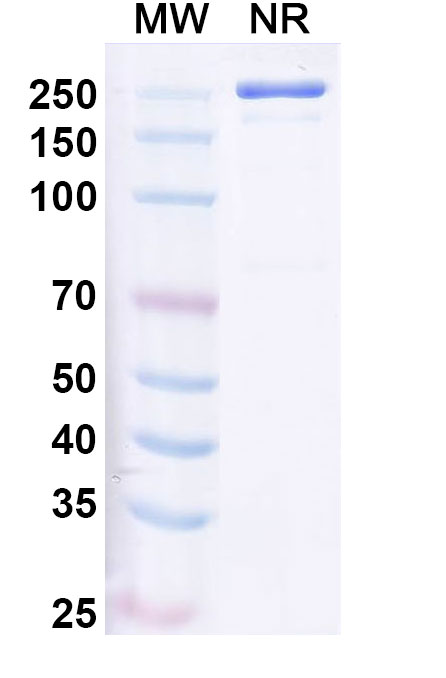
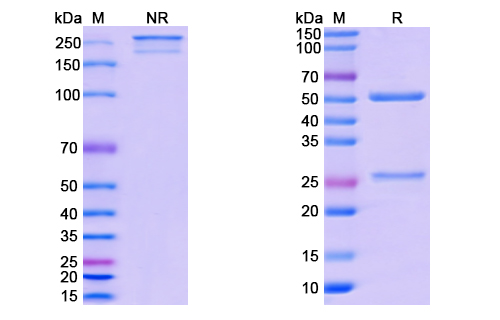
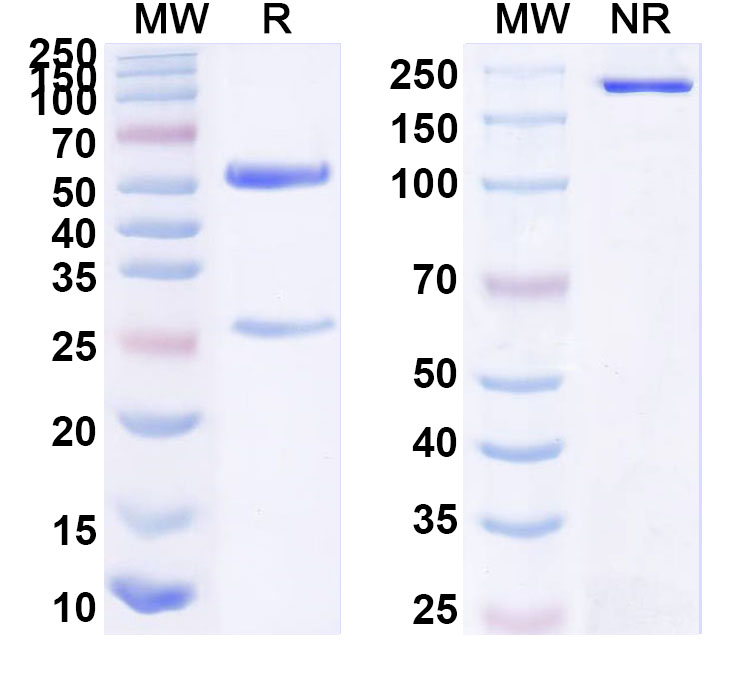
Ulenistamab Biosimilar is a recombinant humanized monoclonal antibody that has been engineered to target PAUF. It is composed of two heavy chains and two light chains, which are connected by disulfide bonds. The heavy chains consist of constant and variable domains, while the light chains contain only the variable domains. The variable domains of both the heavy and light chains are responsible for binding to the target protein, PAUF.
The constant domains of Ulenistamab Biosimilar are derived from human immunoglobulin G1 (IgG1), which is known to have a long half-life and the ability to activate the immune system. This makes Ulenistamab Biosimilar a promising candidate for therapeutic use.
Activity of Ulenistamab Biosimilar
As mentioned earlier, Ulenistamab Biosimilar targets PAUF, a protein that is overexpressed in various types of cancer cells. PAUF has been reported to play a crucial role in cancer progression and metastasis by promoting cell proliferation, migration, and invasion. By binding to PAUF, Ulenistamab Biosimilar inhibits its activity and prevents it from promoting cancer growth and spread.
In addition to its direct anti-
cancer activity, Ulenistamab Biosimilar also has the potential to activate the body’s immune system. This is due to the presence of the IgG1 constant domains, which can bind to immune cells and trigger an immune response against cancer cells. This dual mechanism of action makes Ulenistamab Biosimilar a promising candidate for cancer immunotherapy.
Applications of Ulenistamab Biosimilar
Ulenistamab Biosimilar has shown promising results in preclinical studies as a potential therapeutic agent for various types of cancer, including pancreatic, lung, breast, and colon cancer. It has also been reported to have a synergistic effect when combined with other anti- cancer drugs, making it a potential candidate for combination therapies.
In addition to its anti-
cancer activity, Ulenistamab Biosimilar has also shown potential as a diagnostic tool. PAUF is not only overexpressed in cancer cells but also in other diseases such as chronic pancreatitis and liver cirrhosis. By targeting PAUF, Ulenistamab Biosimilar can be used for the detection and diagnosis of these diseases.
Conclusion
Ulenistamab Biosimilar, also known as Anti-PAUF mAb, is a promising research grade monoclonal antibody that specifically targets PAUF, a protein that is overexpressed in various types of cancer cells. Its dual mechanism of action, both as an inhibitor of PAUF and an activator of the immune system, makes it a potential candidate for cancer immunotherapy. In addition, Ulenistamab Biosimilar has shown potential as a diagnostic tool for other diseases. Further clinical studies are needed to fully explore the potential of Ulenistamab Biosimilar in the field of antibody-based therapeutics.
There are no reviews yet.