Introduction
Torudokimab Biosimilar, also known as Anti-IL33 mAb, is a research grade monoclonal antibody that targets the cytokine IL-33. This antibody has shown promising results in pre-clinical studies and is currently being investigated for its potential therapeutic applications in various diseases. In this article, we will discuss the structure, activity, and potential applications of Torudokimab Biosimilar in detail.
Structure of Torudokimab Biosimilar
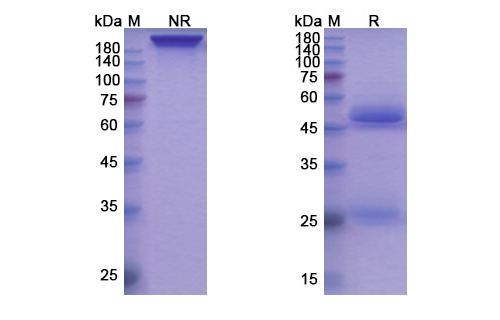
Torudokimab Biosimilar is a recombinant humanized monoclonal antibody that is produced using recombinant DNA technology. It is a fully human IgG1 antibody that is composed of two heavy chains and two light chains. The heavy chains consist of four constant domains (CH1, CH2, CH3, and CH4) and one variable domain (VH), while the light chains consist of two constant domains (CL and CL2) and one variable domain (VL). The variable domains of both the heavy and light chains are responsible for binding to the target IL-33.
Activity of Torudokimab Biosimilar
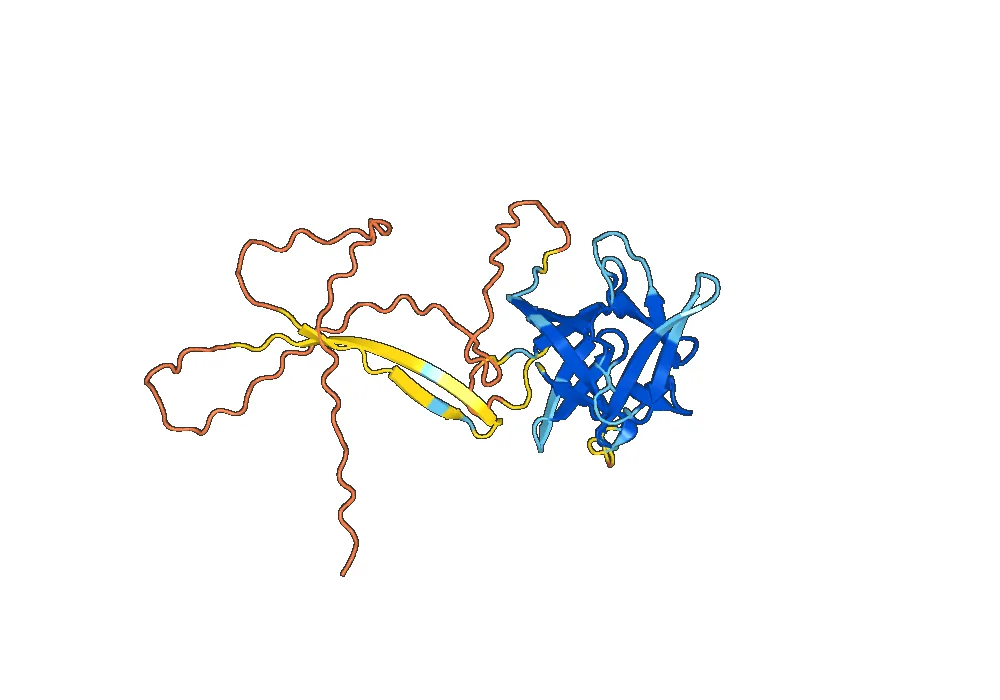
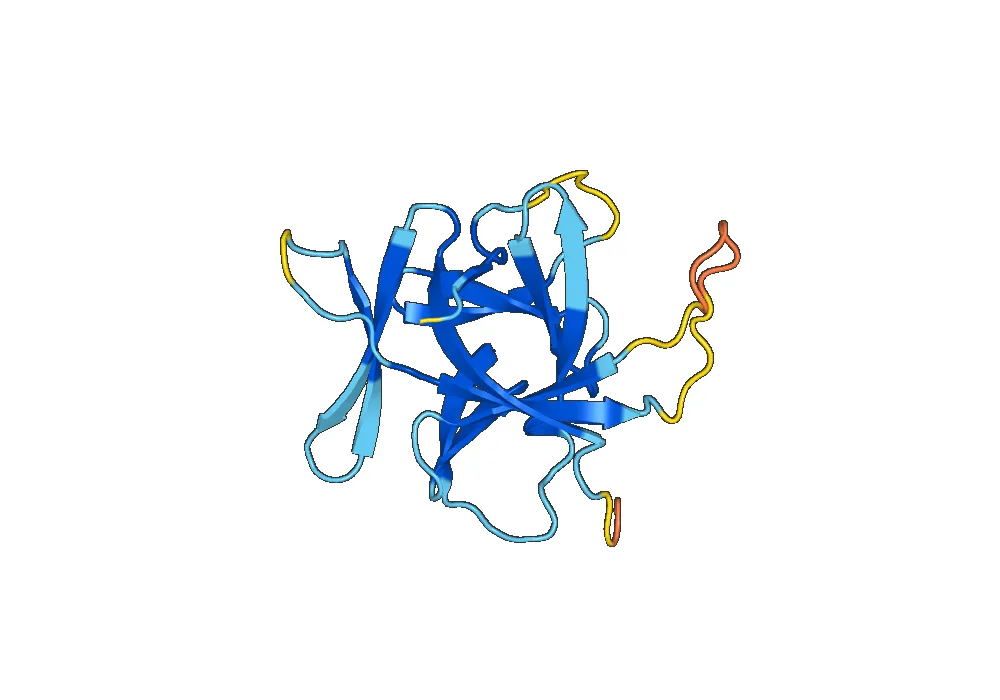
IL-33 is a pro-inflammatory cytokine that is involved in various diseases such as asthma, rheumatoid arthritis, and inflammatory bowel disease. Torudokimab Biosimilar specifically targets IL-33 and inhibits its activity, thereby reducing inflammation and associated symptoms. This antibody binds to IL-33 with high affinity and prevents it from binding to its receptor, ST2, on the surface of immune cells. This results in the suppression of immune responses mediated by IL-33, leading to a decrease in inflammation.
Applications of Torudokimab Biosimilar
Torudokimab Biosimilar has shown promising results in pre-clinical studies for its potential therapeutic applications in various diseases. Some of the specific applications of this antibody are discussed below:
1. Asthma: IL-33 has been identified as a key player in the development of asthma. Torudokimab Biosimilar has shown to be effective in reducing airway inflammation and improving lung function in pre-clinical studies. It has the potential to be a novel treatment option for asthma patients.
2. Rheumatoid Arthritis: IL-33 has been implicated in the pathogenesis of rheumatoid arthritis. Torudokimab Biosimilar has shown to be effective in reducing joint inflammation and cartilage damage in pre-clinical studies. It has the potential to be a promising treatment option for rheumatoid arthritis patients.
3. Inflammatory Bowel Disease (IBD): IL-33 has been found to be elevated in patients with IBD, and its inhibition has shown to be beneficial in reducing inflammation in pre-clinical studies. Torudokimab Biosimilar has the potential to be a novel treatment option for IBD patients.
4. Psoriasis: IL-33 has been implicated in the pathogenesis of psoriasis, and its inhibition has shown to be effective in reducing skin inflammation in pre-clinical studies. Torudokimab Biosimilar has the potential to be a promising treatment option for psoriasis patients.
5. Other Diseases: IL-33 has also been linked to other diseases such as atopic dermatitis, chronic obstructive pulmonary disease, and multiple sclerosis. Torudokimab Biosimilar has the potential to be a potential treatment option for these diseases as well.
Conclusion
In conclusion, Torudokimab Biosimilar is a research grade monoclonal antibody that targets the pro-inflammatory cytokine IL-33. It has a unique structure and high affinity for IL-33, making it a potential therapeutic option for various diseases. Pre-clinical studies have shown promising results for its potential applications in asthma, rheumatoid arthritis, IBD, psoriasis, and other diseases. Further clinical trials are needed to determine its safety and efficacy in humans. Torudokimab Biosimilar has the potential to be a valuable addition to the current treatment options for these diseases.



There are no reviews yet.