Timolumab Biosimilar – Anti-AOC3, VAP1 mAb: A Promising Therapeutic Antibody Targeting Vascular Adhesion Protein 1
Introduction
Timolumab Biosimilar – Anti-AOC3, VAP1 mAb is a monoclonal antibody (mAb) that specifically targets the vascular adhesion protein 1 (VAP1), also known as amine oxidase, copper containing 3 (AOC3). This biosimilar is a promising therapeutic agent for the treatment of various inflammatory and autoimmune diseases. In this article, we will explore the structure, activity and potential applications of Timolumab Biosimilar in the field of medical research.
Structure
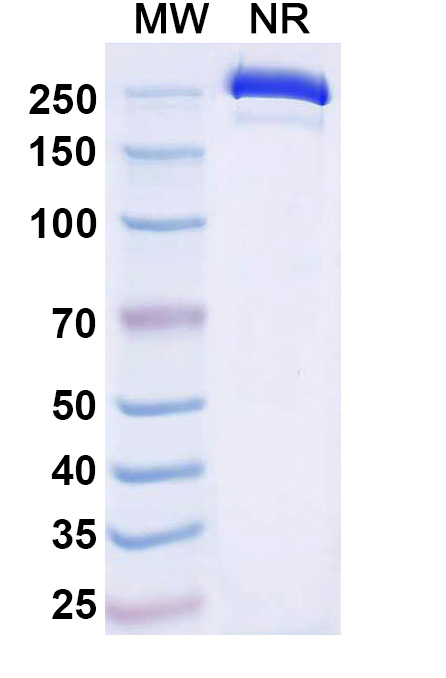
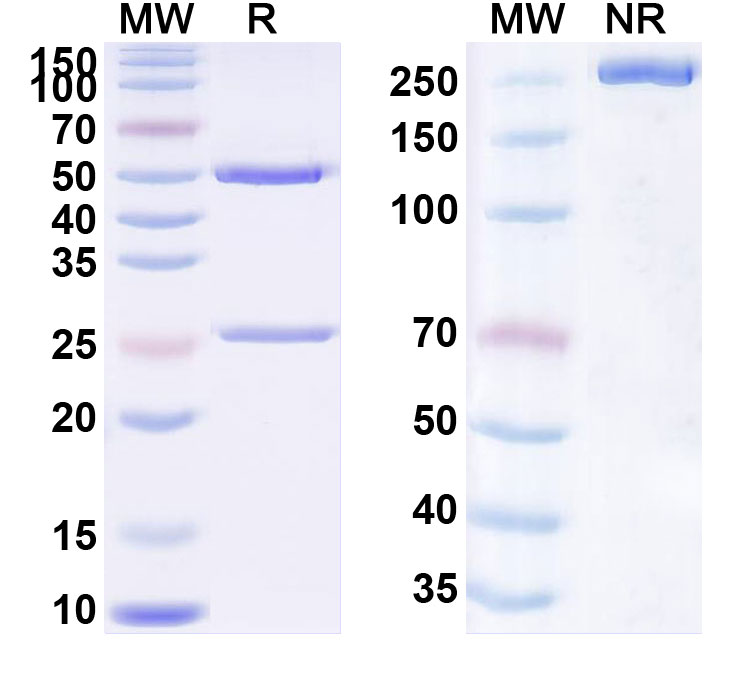
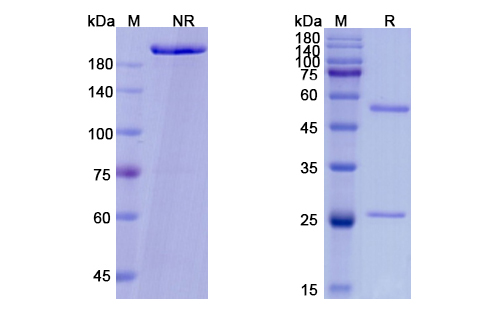
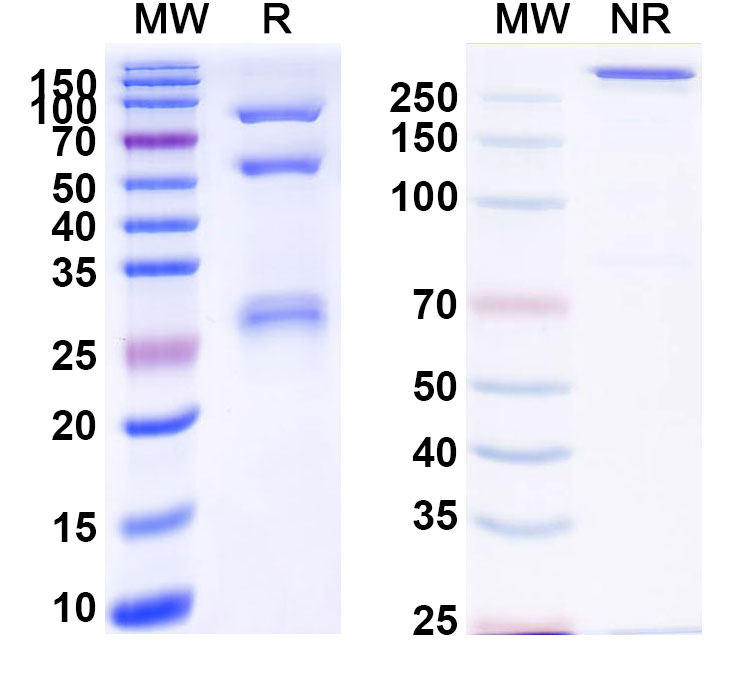
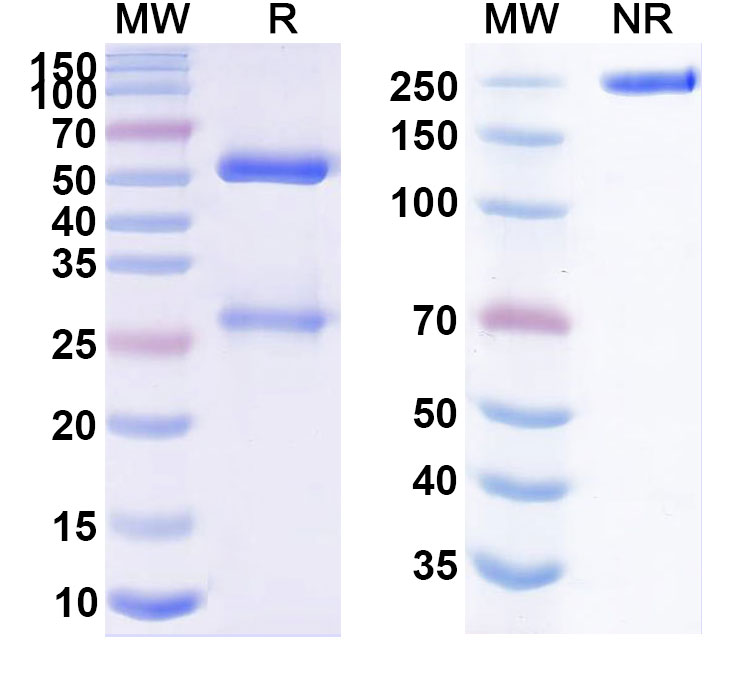
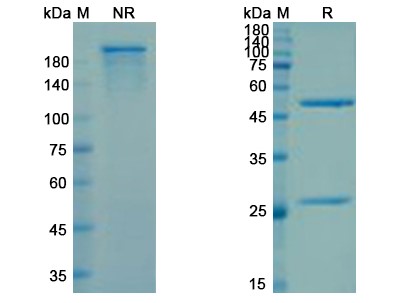
Timolumab Biosimilar is a recombinant humanized IgG1 monoclonal antibody with a molecular weight of approximately 150 kDa. It is composed of two heavy chains and two light chains, each containing variable and constant regions. The variable regions of the antibody are responsible for binding to the target antigen, VAP1, while the constant regions play a role in effector functions such as antibody-dependent cellular cytotoxicity (ADCC) and complement-dependent cytotoxicity (CDC).
Activity
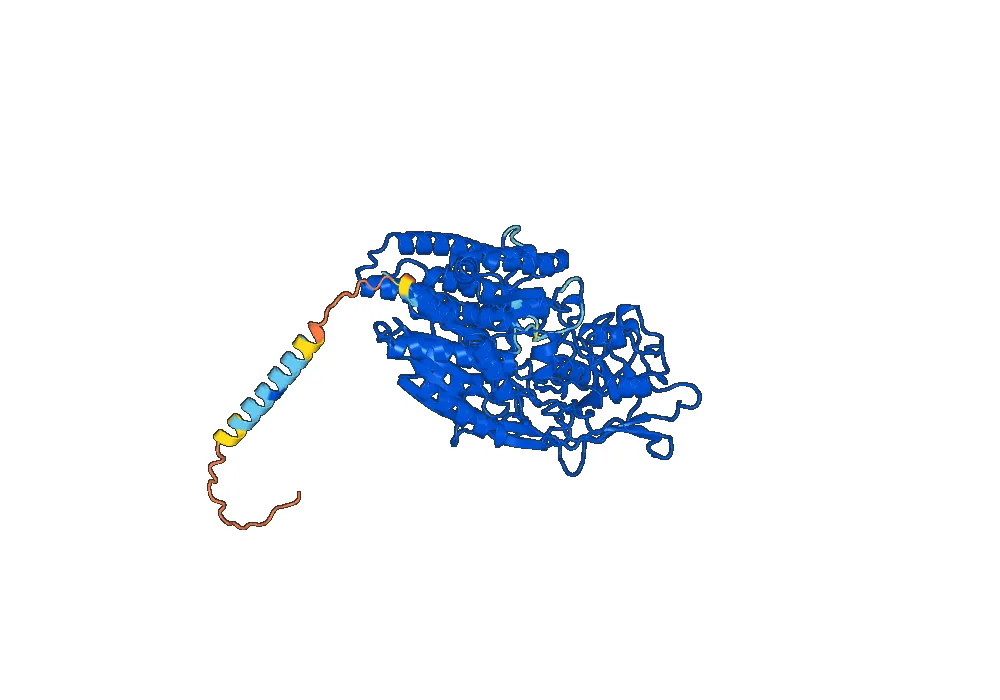
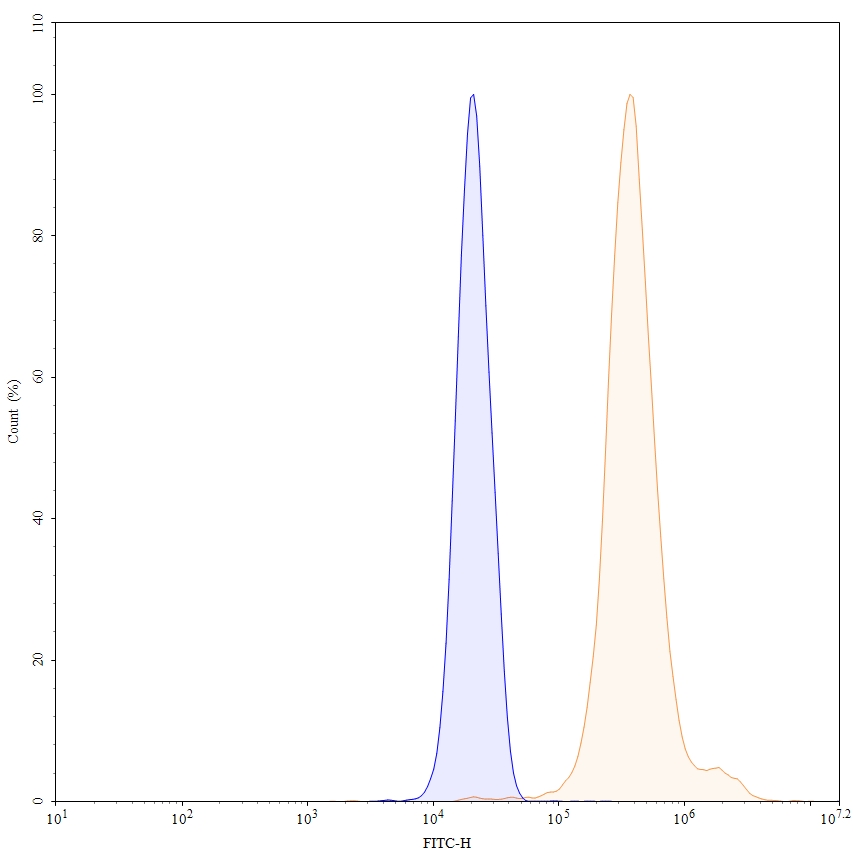
VAP1 is a cell surface adhesion molecule that is expressed on the endothelial cells of blood vessels. It plays a crucial role in leukocyte recruitment and extravasation during inflammation. VAP1 is also involved in the production of reactive oxygen species (ROS) and the regulation of vascular permeability. Timolumab Biosimilar binds to VAP1 with high affinity, blocking its activity and preventing leukocyte adhesion and extravasation. This leads to a reduction in inflammation and tissue damage.
Applications
Due to its specific targeting of VAP1, Timolumab Biosimilar has potential applications in various inflammatory and autoimmune diseases. Some of the conditions that could benefit from this therapeutic antibody include rheumatoid arthritis, psoriasis, multiple sclerosis, and inflammatory bowel disease. In preclinical studies, Timolumab Biosimilar has shown efficacy in reducing disease severity and improving symptoms in animal models of these diseases.
Research Grade
Timolumab Biosimilar is currently in the research grade stage, which means it is being developed for use in preclinical and clinical research studies. This stage is crucial for evaluating the safety and efficacy of the biosimilar before it can be approved for clinical use. The manufacturing process of Timolumab Biosimilar follows strict quality control measures to ensure consistency and purity of the final product. This research grade biosimilar is not yet available for commercial use but can be obtained for use in research studies.
Advantages
One of the main advantages of Timolumab Biosimilar is its specificity for VAP1, which reduces the risk of off-target effects and potential side effects. This biosimilar also has a long half-life, allowing for less frequent dosing and improved patient compliance. Additionally, Timolumab Biosimilar has the potential to be used in combination with other therapies, providing a more comprehensive treatment approach for inflammatory and autoimmune diseases.
Conclusion
In summary, Timolumab Biosimilar – Anti-AOC3, VAP1 mAb is a promising therapeutic antibody targeting VAP1 for the treatment of inflammatory and autoimmune diseases. Its specific targeting, long half-life, and potential for combination therapy make it a valuable tool in medical research. With ongoing research and development, Timolumab Biosimilar has the potential to improve the lives of patients suffering from these debilitating conditions.

There are no reviews yet.