Introduction
Taplitumomab Biosimilar, also known as anti-CD19 monoclonal antibody (mAb), is a promising therapeutic agent that targets CD19, a protein found on the surface of B cells. It is a research grade antibody that has shown potential in the treatment of various B cell malignancies, making it a valuable tool for researchers and clinicians alike.
Structure of Taplitumomab Biosimilar
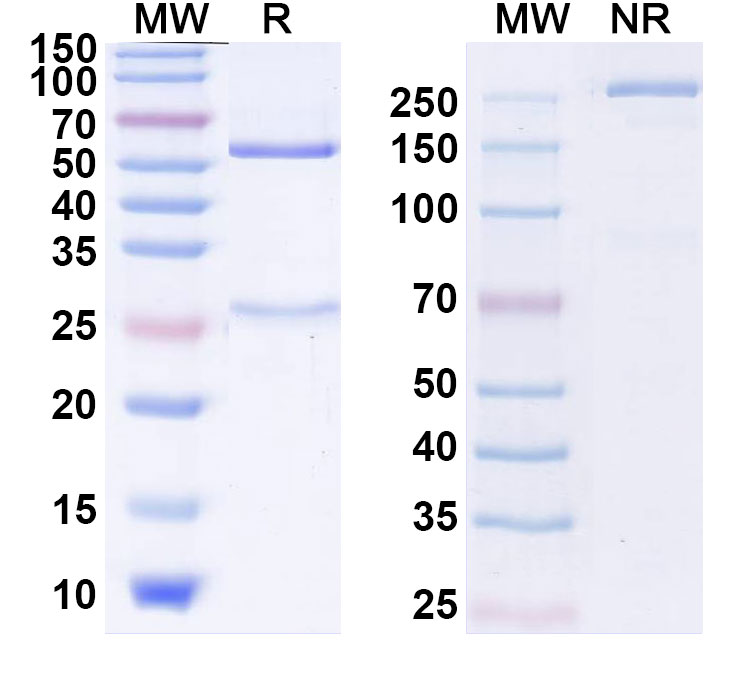
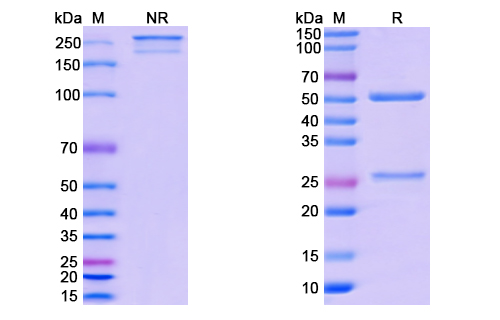
Taplitumomab Biosimilar is a recombinant, humanized IgG1 monoclonal antibody that is produced in Chinese hamster ovary (CHO) cells. It consists of two heavy chains and two light chains, each with a molecular weight of approximately 150 kDa. The antibody has a typical Y-shaped structure, with two antigen-binding fragments (Fab) and one crystallizable fragment (Fc).
The Fab region of Taplitumomab Biosimilar is responsible for binding to the CD19 protein, while the Fc region is involved in mediating effector functions such as antibody-dependent cellular cytotoxicity (ADCC) and complement-dependent cytotoxicity (CDC).
Mechanism of Action
CD19 is a transmembrane protein that is expressed on the surface of B cells, from the early pro-B cell stage to the mature B cell stage. It plays a crucial role in B cell development, activation, and survival. Taplitumomab Biosimilar binds to CD19 with high specificity and affinity, leading to the internalization and subsequent destruction of CD19-expressing B cells.
Upon binding to CD19, Taplitumomab Biosimilar triggers a series of downstream signaling events that result in the activation of apoptotic pathways and the induction of cell death. This mechanism of action makes Taplitumomab Biosimilar a potent and targeted therapeutic agent for B cell malignancies.
Applications of Taplitumomab Biosimilar
Taplitumomab Biosimilar has shown promising results in pre-clinical and clinical studies for the treatment of various B cell malignancies, including non-Hodgkin’s lymphoma, chronic lymphocytic leukemia, and acute lymphoblastic leukemia. It has also been investigated for use in autoimmune diseases such as rheumatoid arthritis and multiple sclerosis.
As a research grade antibody, Taplitumomab Biosimilar is also widely used in laboratory settings for studying the role of CD19 in B cell biology and for developing new treatment strategies for B cell-related diseases.
Advantages of Taplitumomab Biosimilar
Taplitumomab Biosimilar offers several advantages over other anti-CD19 antibodies, making it a promising therapeutic option for B cell malignancies. Firstly, its humanized structure reduces the risk of immunogenicity and improves its efficacy and safety profile. Secondly, its high specificity for CD19 minimizes off-target effects, reducing the risk of adverse reactions. Finally, Taplitumomab Biosimilar has shown promising results in combination with other anti- cancer therapies, making it a valuable addition to current treatment regimens.
Conclusion
Taplitumomab Biosimilar is a research grade anti-CD19 monoclonal antibody with a unique structure and mechanism of action. Its high specificity for CD19 and promising results in pre-clinical and clinical studies make it a valuable therapeutic agent for B cell malignancies. As the understanding of CD19 and its role in disease continues to evolve, Taplitumomab Biosimilar will likely play a crucial role in the development of new treatment strategies for various B cell-related diseases.
Keywords
Taplitumomab Biosimilar, anti-CD19 monoclonal antibody, B cells, CD19, mechanism of action, therapeutic target, B cell malignancies, research grade, antibody-dependent cellular cytotoxicity, complement-dependent cytotoxicity, autoimmune diseases, immun


There are no reviews yet.