Introduction
Surzebiclimab Biosimilar, also known as Anti-HAVCR2 mAb, is a research grade antibody that has shown promising results in the treatment of various diseases. This article will provide a detailed description of the structure, activity, and application of this biosimilar, highlighting its potential as a therapeutic target.
Structure of Surzebiclimab Biosimilar
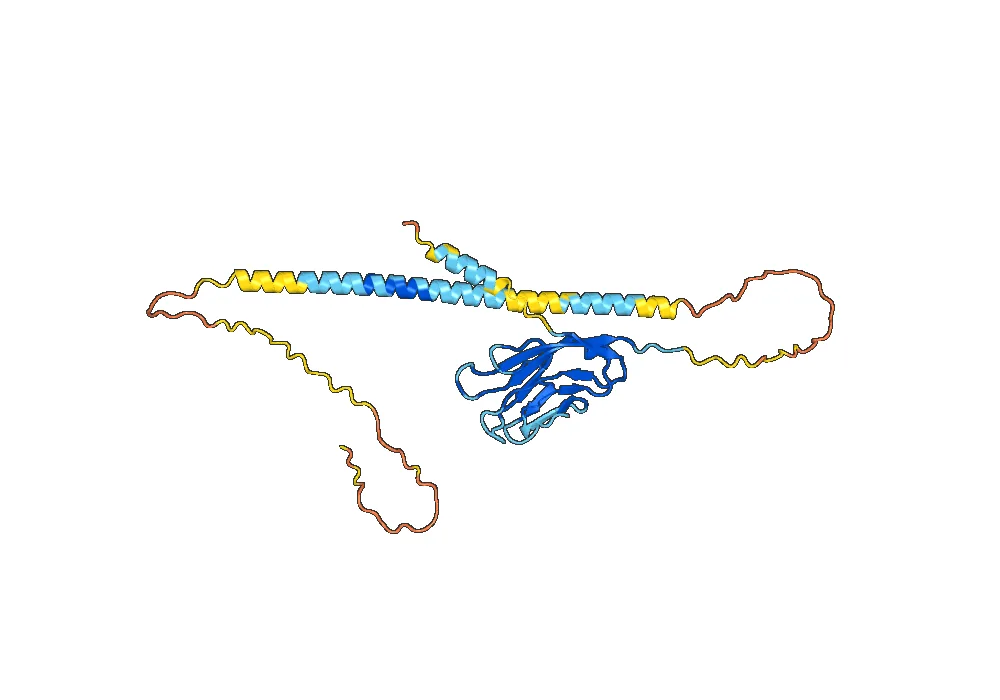
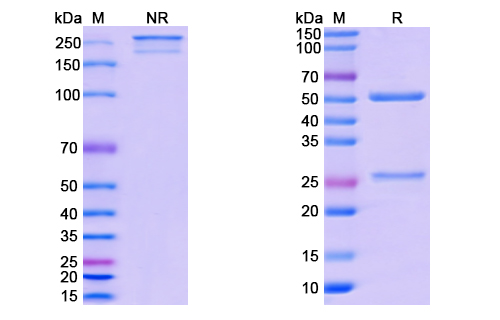
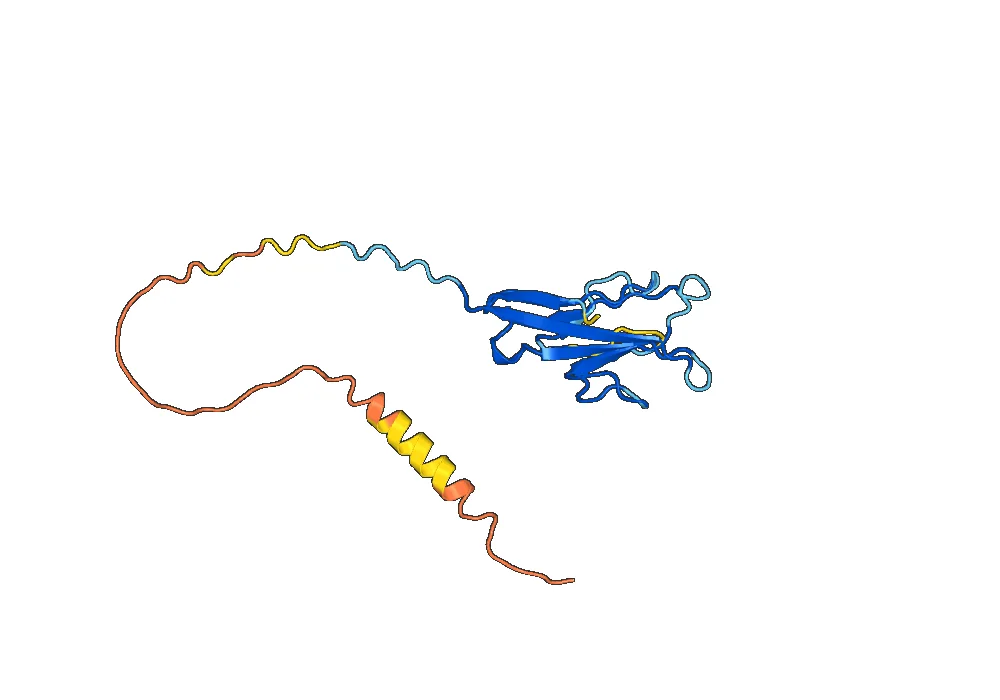
Surzebiclimab Biosimilar is a monoclonal antibody (mAb) that is designed to target the HAVCR2 protein, also known as TIM-3. It is a glycoprotein that is expressed on the surface of various immune cells, including T-cells, B-cells, and dendritic cells. The antibody is composed of two heavy chains and two light chains, which are connected by disulfide bonds. The variable regions of the antibody are responsible for binding to the HAVCR2 protein, while the constant regions provide stability and effector functions.
Activity of Surzebiclimab Biosimilar
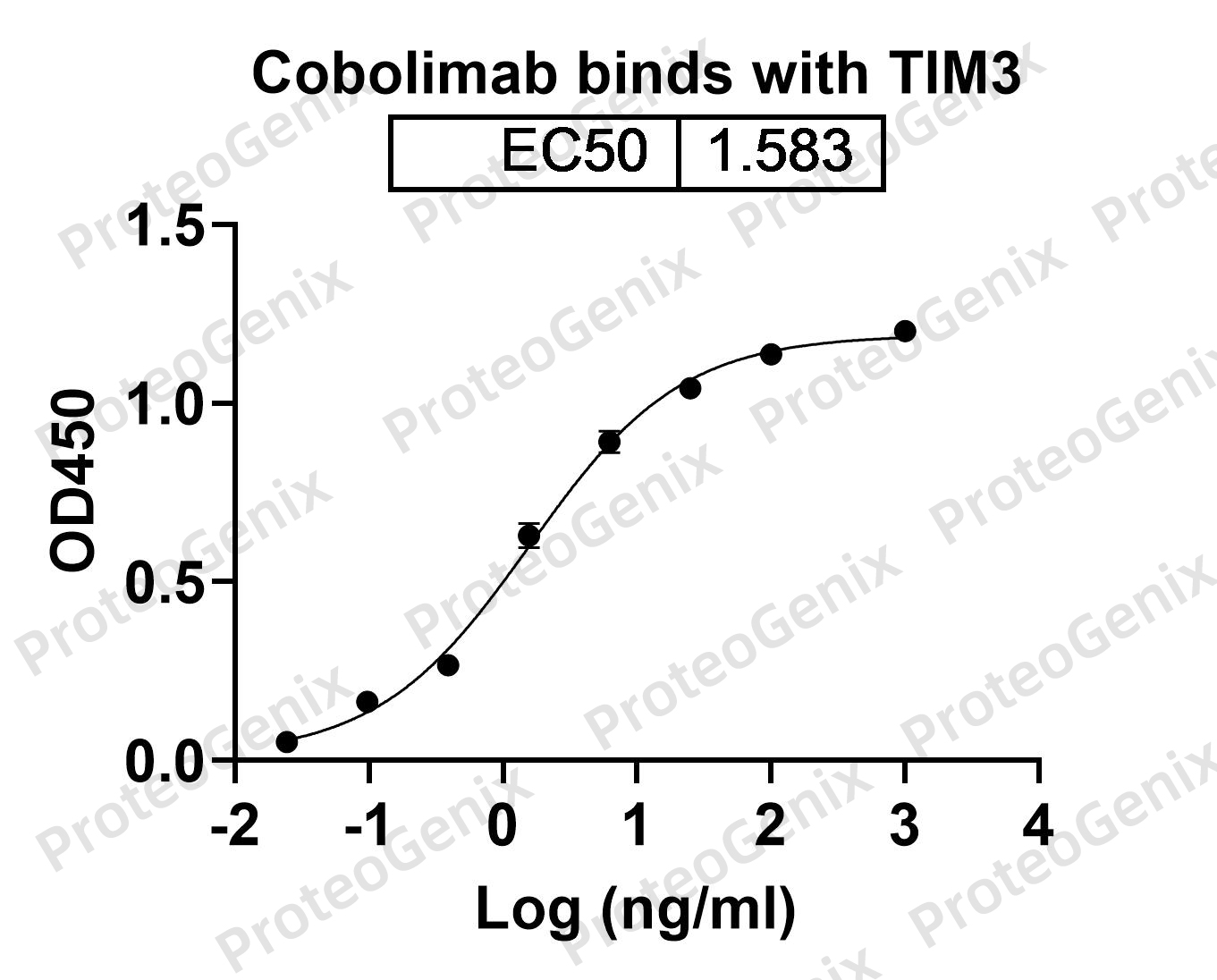
The main function of Surzebiclimab Biosimilar is to block the interaction between HAVCR2 and its ligands, galectin-9 and phosphatidylserine. This interaction is known to inhibit the function of immune cells and promote immune tolerance. By blocking this interaction, Surzebiclimab Biosimilar can modulate the immune response and potentially treat various diseases.
One of the key activities of Surzebiclimab Biosimilar is its ability to enhance T-cell function. By blocking the HAVCR2 pathway, the antibody can promote T-cell activation and proliferation, leading to a stronger immune response against pathogens or cancer cells. Additionally, Surzebiclimab Biosimilar has been shown to inhibit the production of regulatory T-cells, which can suppress the immune response. This further enhances the activity of T-cells and promotes a more robust immune response.
Application of Surzebiclimab Biosimilar
Surzebiclimab Biosimilar has shown potential in the treatment of various diseases, including cancer, autoimmune disorders, and infectious diseases. As mentioned earlier, by enhancing T-cell function, the antibody can potentially improve the immune response against cancer cells. It has been studied in preclinical models of different types of cancer, including melanoma, lung cancer, and breast cancer, and has shown promising results in inhibiting tumor growth.
In addition to cancer, Surzebiclimab Biosimilar has also been studied for its potential in treating autoimmune disorders such as multiple sclerosis and rheumatoid arthritis. By blocking the HAVCR2 pathway, the antibody can potentially reduce the activity of regulatory T-cells and promote a more balanced immune response, which is beneficial in autoimmune diseases.
Furthermore, Surzebiclimab Biosimilar has also shown promise in the treatment of infectious diseases. By enhancing T-cell function, the antibody can potentially improve the immune response against viral and bacterial infections. It has been studied in preclinical models of hepatitis B and HIV and has shown potential in reducing viral load and improving immune response.
Conclusion
Surzebiclimab Biosimilar, also known as Anti-HAVCR2 mAb, is a research grade antibody that has shown potential in the treatment of various diseases. Its unique structure and activity make it a promising therapeutic target for cancer, autoimmune disorders, and infectious diseases. Further studies and clinical trials are needed to fully understand the potential of this biosimilar and its role in treating these diseases.

There are no reviews yet.