Introduction
Spartalizumab Biosimilar, also known as Anti-PDCD1, PD1, CD279 mAb, is a monoclonal antibody that targets the programmed cell death protein 1 (PD-1) receptor on T cells. It is a research grade antibody that has shown promising results in pre-clinical studies and is currently being evaluated in clinical trials for its potential use as a therapeutic agent in various cancers. In this article, we will discuss the structure, activity, and potential applications of Spartalizumab Biosimilar.
Structure of Spartalizumab Biosimilar
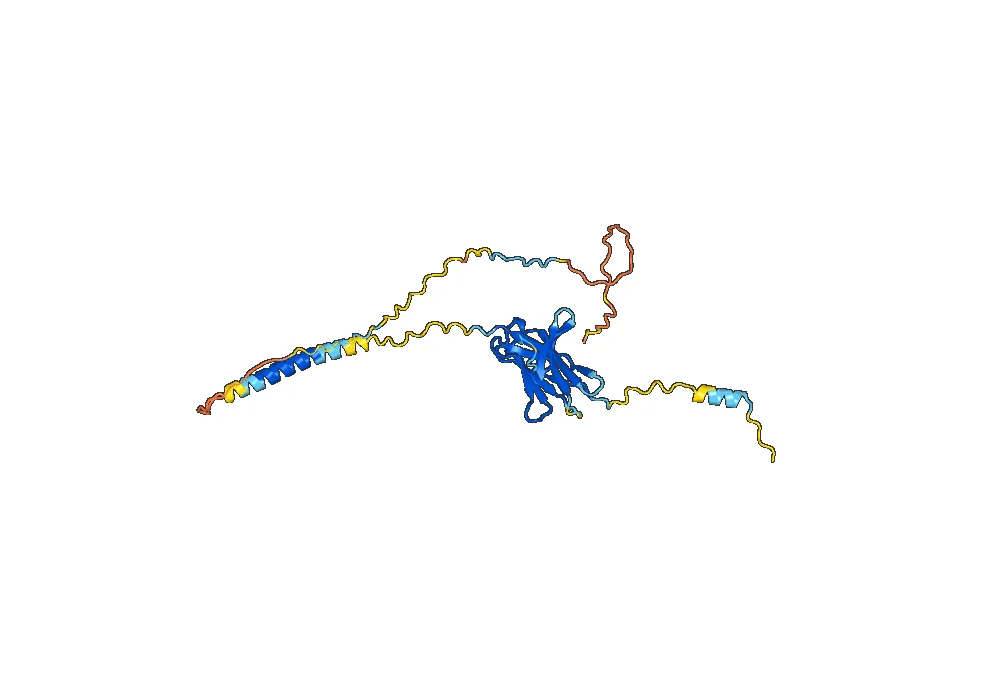
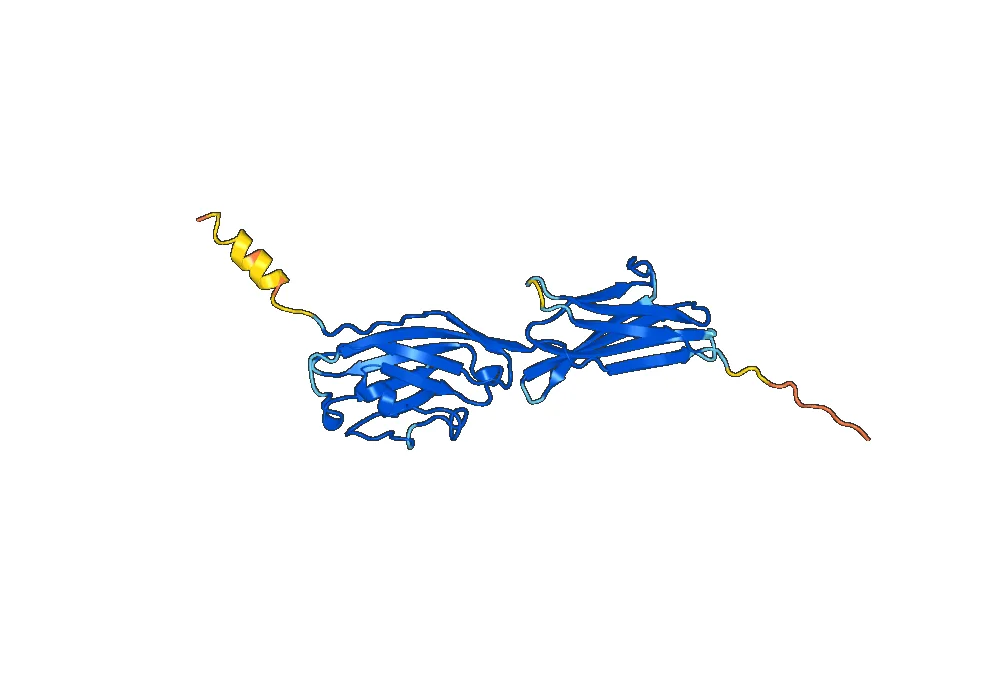
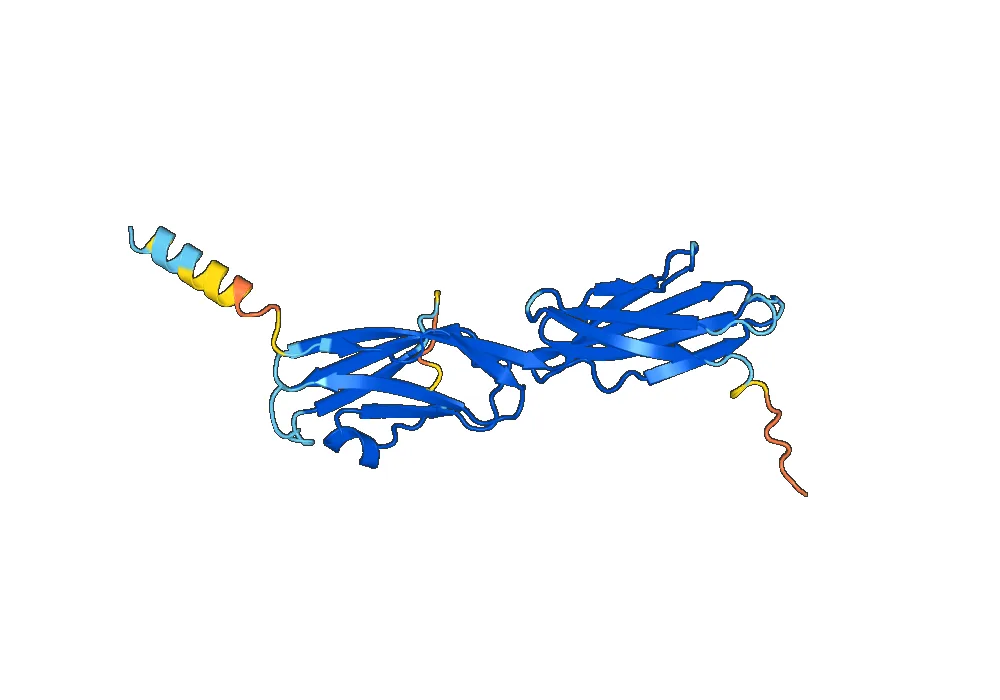
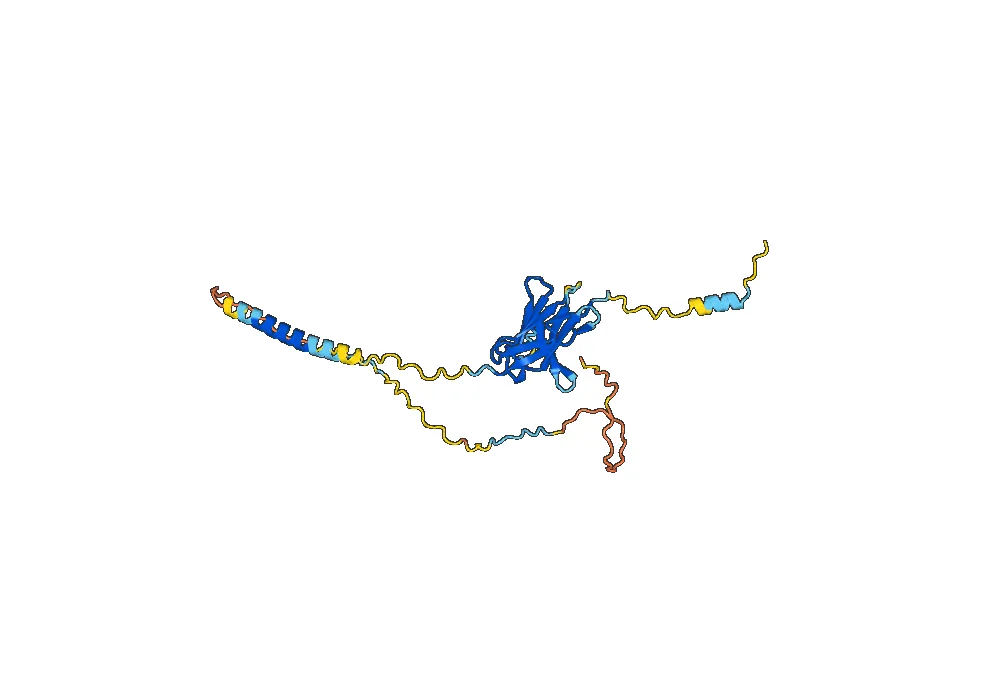
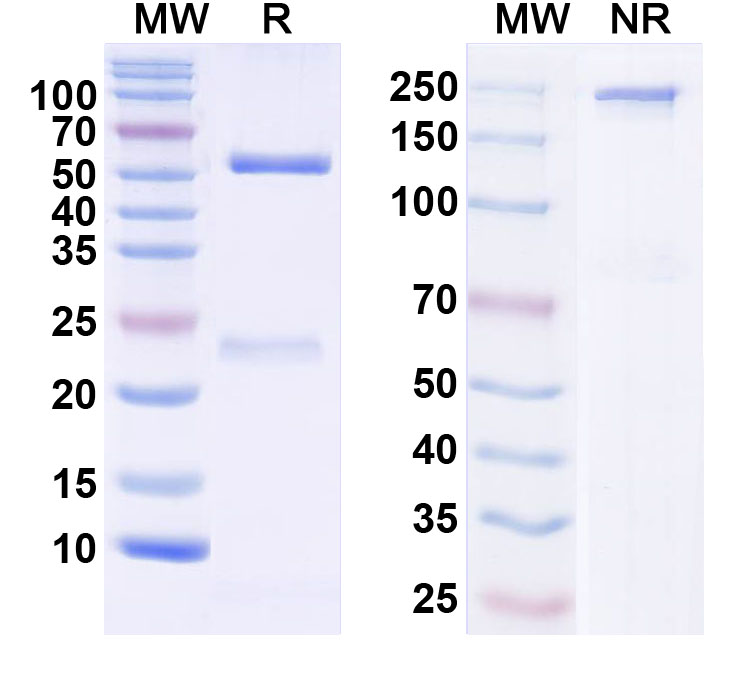
Spartalizumab Biosimilar is a fully humanized monoclonal antibody that is produced using recombinant DNA technology. It is composed of two identical heavy chains and two identical light chains, each consisting of variable and constant regions. The variable regions of the antibody are responsible for binding to the PD-1 receptor on T cells, while the constant regions determine the antibody’s effector functions.
Activity of Spartalizumab Biosimilar
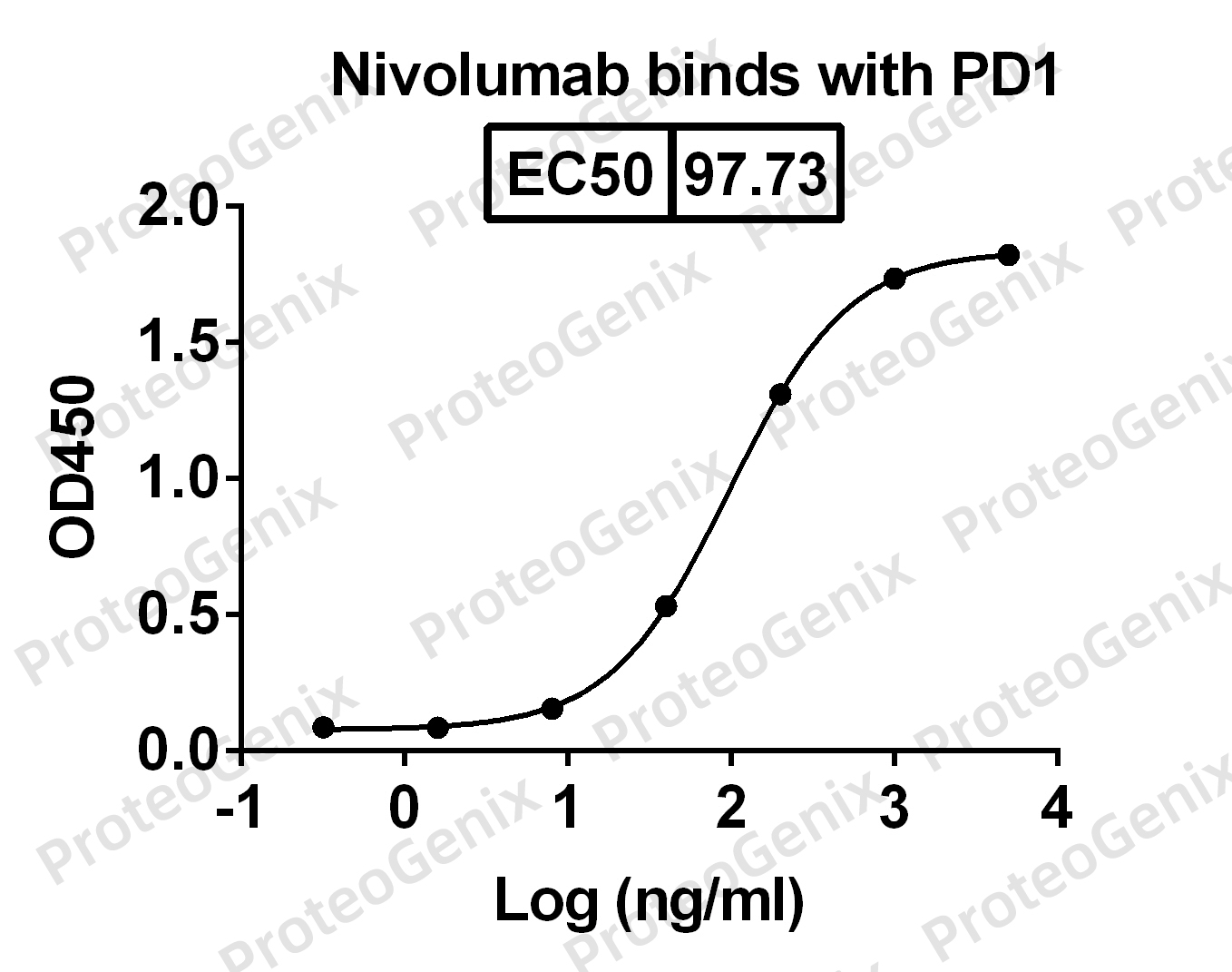
The PD-1 receptor plays a crucial role in regulating the immune response by preventing T cells from attacking healthy cells in the body. However, cancer cells can exploit this mechanism by expressing high levels of PD-L1, a ligand that binds to PD-1 and inhibits T cell activity. Spartalizumab Biosimilar works by binding to the PD-1 receptor on T cells, thereby blocking the interaction between PD-1 and PD-L1. This allows the T cells to become activated and mount an immune response against cancer cells.
In addition to its role in cancer, PD-1 is also involved in the regulation of autoimmune diseases. Therefore, Spartalizumab Biosimilar has the potential to be used in the treatment of various autoimmune disorders by modulating the immune response.
Applications of Spartalizumab Biosimilar
Spartalizumab Biosimilar is currently being evaluated in clinical trials for its potential use as a therapeutic agent in various cancers, including melanoma, non-small cell lung cancer, and renal cell carcinoma. In a phase I clinical trial, Spartalizumab Biosimilar showed promising results in patients with advanced solid tumors, with an overall response rate of 23%. It was also well-tolerated, with manageable side effects.
Furthermore, pre-clinical studies have shown that Spartalizumab Biosimilar can enhance the anti-tumor activity of other cancer therapies, such as chemotherapy and radiation. This makes it a potential candidate for combination therapy in the future.
In addition to its potential use in cancer, Spartalizumab Biosimilar has also shown promising results in pre-clinical studies for the treatment of autoimmune diseases, such as rheumatoid arthritis and multiple sclerosis. Further research is needed to evaluate its efficacy in these conditions.
Conclusion
Spartalizumab Biosimilar is a promising research grade antibody that targets the PD-1 receptor on T cells. Its ability to block the interaction between PD-1 and PD-L1 makes it a potential therapeutic agent for various cancers and autoimmune diseases. Clinical trials have shown promising results, and further research is needed to fully understand its potential applications. Spartalizumab Biosimilar has the potential to improve the treatment options available for patients with cancer and autoimmune diseases, and it will continue to be an area of active research in the future.


There are no reviews yet.