Sotevtamab Biosimilar: A Promising Antibody Targeting APOJ for Therapeutic Use Introduction
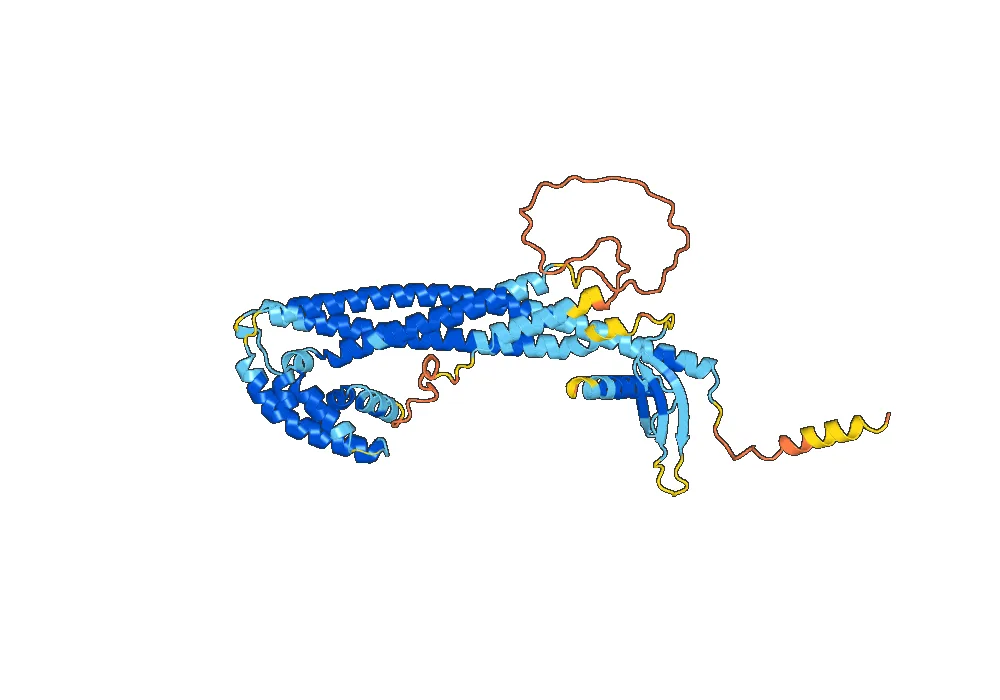
Sotevtamab Biosimilar is a research grade monoclonal antibody (mAb) that specifically targets APOJ, also known as clusterin. APOJ is a glycoprotein that is overexpressed in various cancers and has been identified as a potential therapeutic target. Sotevtamab Biosimilar is a promising drug candidate that has shown significant activity in preclinical studies and is currently undergoing clinical trials for the treatment of cancer.
Structure of Sotevtamab Biosimilar
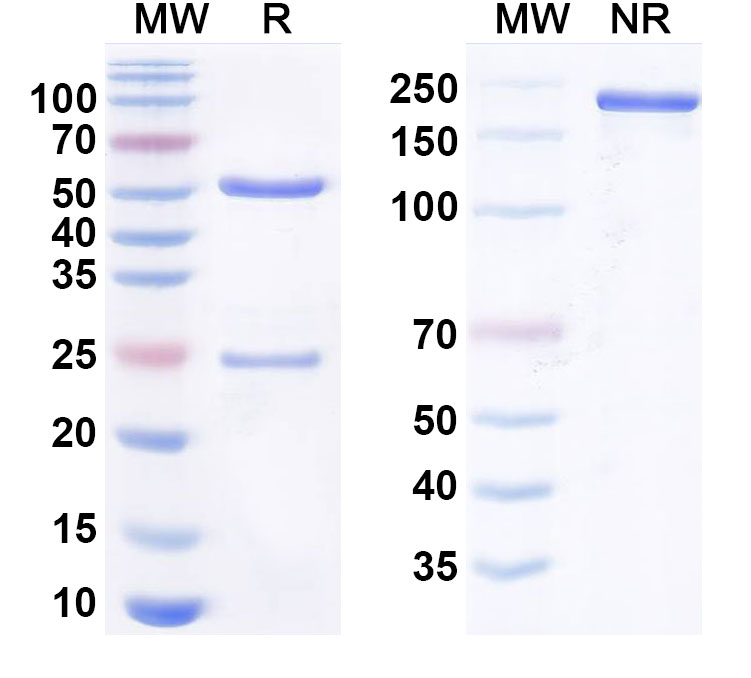
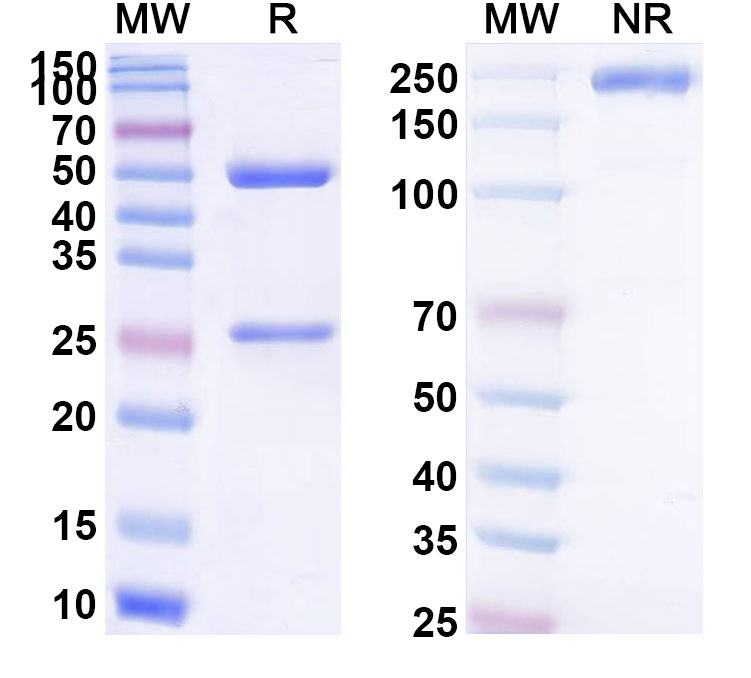
Sotevtamab Biosimilar is a fully humanized IgG1 monoclonal antibody, meaning it is derived from human cells and has a structure similar to the antibodies naturally produced in the body. It has a molecular weight of approximately 150 kDa and consists of two heavy chains and two light chains. The heavy chains are composed of four constant regions (CH1, CH2, CH3, and CH4) and one variable region (VH), while the light chains have two constant regions (CL) and one variable region (VL). The variable regions of both the heavy and light chains contribute to the specificity of Sotevtamab Biosimilar for its target, APOJ.
Mechanism of Action
Sotevtamab Biosimilar binds to APOJ with high affinity and specificity, leading to the inhibition of APOJ’s function. APOJ is involved in various cellular processes, including cell survival, proliferation, and metastasis, and its overexpression has been linked to cancer progression. By targeting APOJ, Sotevtamab Biosimilar can disrupt these processes and inhibit the growth and spread of cancer cells. It can also induce cell death through antibody-dependent cellular cytotoxicity (ADCC) and complement-dependent cytotoxicity (CDC) mechanisms.
Applications of Sotevtamab Biosimilar
Sotevtamab Biosimilar has shown promising results in preclinical studies for the treatment of various cancers, including breast, lung, ovarian, and prostate cancer. It has also shown potential in combination therapy with other anti- cancer drugs. Currently, Sotevtamab Biosimilar is being evaluated in clinical trials for the treatment of advanced solid tumors, including triple-negative breast cancer and non-small cell lung cancer. It is also being investigated for its potential in treating other diseases, such as Alzheimer’s disease and age-related macular degeneration, as APOJ has been implicated in these conditions as well.
Advantages of Sotevtamab Biosimilar
As a fully humanized antibody, Sotevtamab Biosimilar has a lower risk of immune reactions and is expected to have better tolerability in patients compared to other non-humanized antibodies. Its high specificity for APOJ also minimizes off-target effects and reduces the risk of adverse events. Additionally, Sotevtamab Biosimilar has shown good stability and pharmacokinetics, making it a promising candidate for clinical use.
Conclusion
Sotevtamab Biosimilar is a promising antibody drug that specifically targets APOJ, a glycoprotein that is overexpressed in various cancers. Its unique structure and mechanism of action make it a promising candidate for the treatment of cancer and other diseases. As clinical trials continue to evaluate its safety and efficacy, Sotevtamab Biosimilar has the potential to become a valuable addition to the arsenal of anti- cancer therapies.
Keywords
Sotevtamab Biosimilar, antibody, APOJ, clusterin, monoclonal antibody, cancer, therapeutic target, mechanism of action, clinical trials, preclinical studies, combination therapy, immune reactions, pharmacokinetics.


There are no reviews yet.