Introduction
Rozipafusp alfa Biosimilar is a novel biosimilar of Anti-B7RP1 monoclonal antibody (mAb) that has been developed for the treatment of various diseases. This biosimilar is a highly specific and potent therapeutic agent that targets B7RP1, a protein that is involved in regulating immune responses. In this article, we will provide a comprehensive scientific description of Rozipafusp alfa Biosimilar, including its structure, activity, and potential applications.
Structure of Rozipafusp alfa Biosimilar
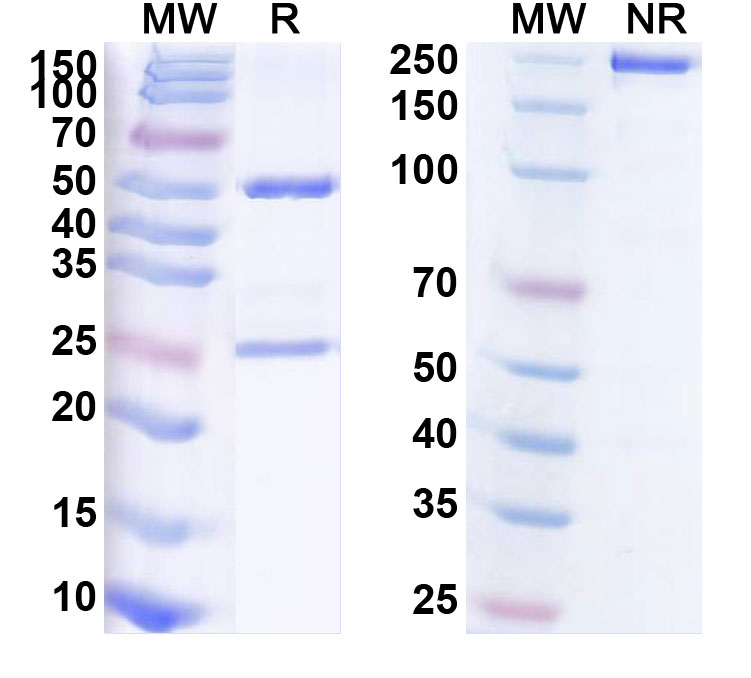
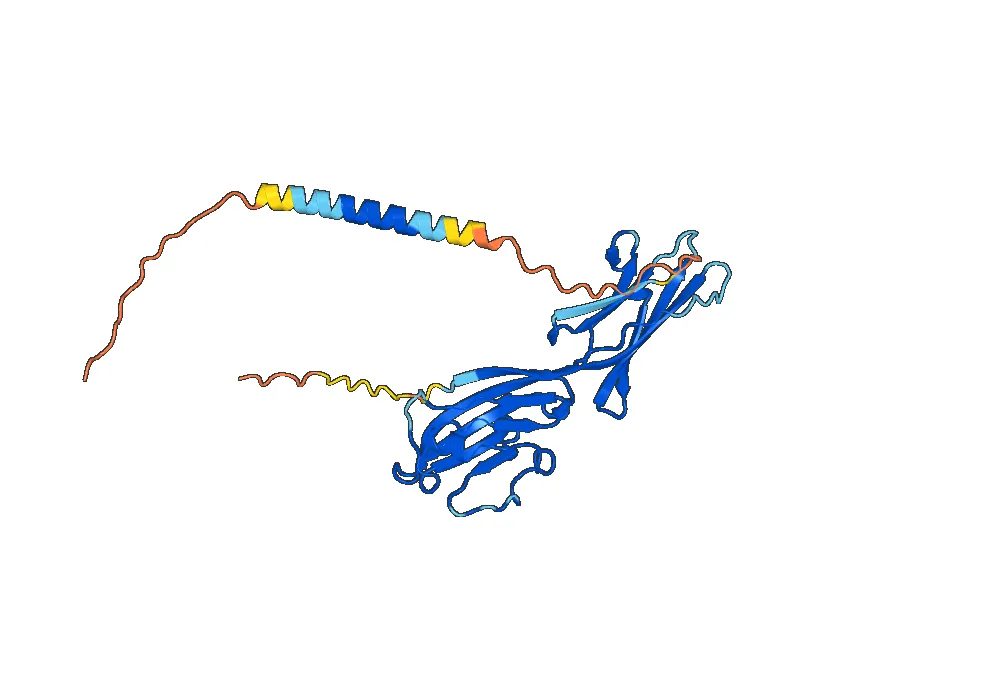
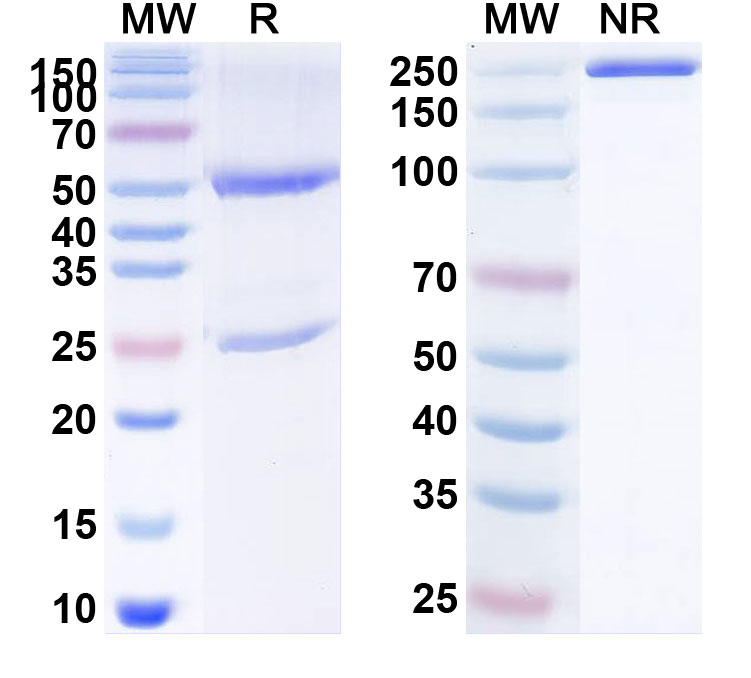
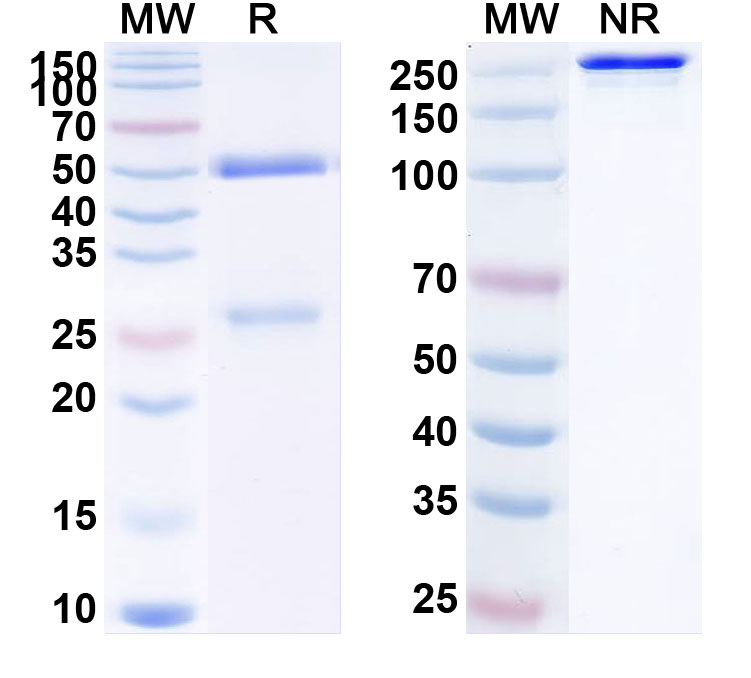
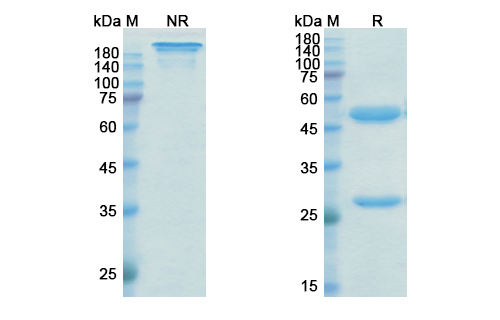
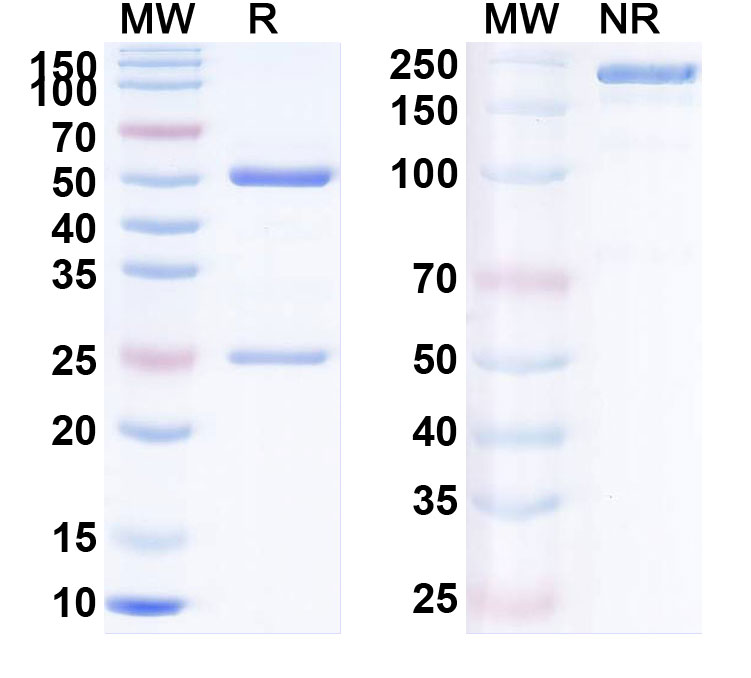
Rozipafusp alfa Biosimilar is a fully humanized monoclonal antibody that has been engineered to have a high binding affinity for B7RP1. It is composed of two identical heavy chains and two identical light chains, each with a molecular weight of approximately 150 kDa. The antibody has a Y-shaped structure, with two Fab regions that bind to B7RP1 and a Fc region that mediates effector functions.
The amino acid sequence of Rozipafusp alfa Biosimilar is highly similar to that of the reference product, making it a true biosimilar. It has been produced using recombinant DNA technology in mammalian cell lines, ensuring a high level of purity and consistency in its structure and function.
Activity of Rozipafusp alfa Biosimilar
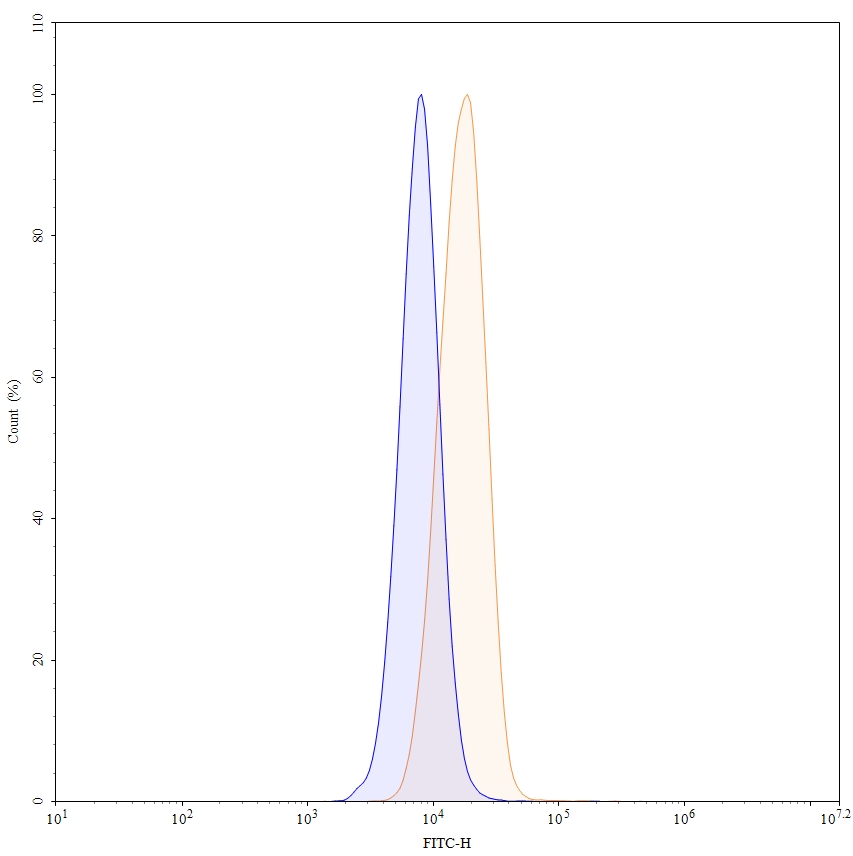
The main activity of Rozipafusp alfa Biosimilar is its ability to bind to B7RP1 with high specificity and affinity. B7RP1 is a co-stimulatory molecule that is expressed on the surface of various immune cells, including T cells, B cells, and dendritic cells. By binding to B7RP1, Rozipafusp alfa Biosimilar inhibits its interaction with its receptor, leading to the suppression of immune responses.
Studies have shown that Rozipafusp alfa Biosimilar can effectively block the activation and proliferation of T cells, which play a crucial role in the pathogenesis of various autoimmune diseases. It also inhibits the production of pro-inflammatory cytokines, such as interleukin-2 and interferon-gamma, further suppressing immune responses.
Applications of Rozipafusp alfa Biosimilar
Rozipafusp alfa Biosimilar has shown promising results in preclinical and clinical studies for the treatment of various diseases. Its main application is in the treatment of autoimmune diseases, such as rheumatoid arthritis, multiple sclerosis, and psoriasis. By targeting B7RP1, Rozipafusp alfa Biosimilar can effectively suppress the overactive immune responses that contribute to the development and progression of these diseases.
In addition to autoimmune diseases, Rozipafusp alfa Biosimilar has also shown potential in the treatment of certain types of cancer. B7RP1 is known to be overexpressed in some cancer cells, and its interaction with its receptor can promote tumor growth and survival. By blocking this interaction, Rozipafusp alfa Biosimilar can inhibit tumor growth and enhance the anti-tumor immune response.
Furthermore, Rozipafusp alfa Biosimilar has also been investigated for its potential use in organ transplantation. By suppressing immune responses, it can prevent organ rejection and improve the success rate of transplantation procedures.
Conclusion
Rozipafusp alfa Biosimilar is a highly specific and potent therapeutic agent that targets B7RP1, a protein involved in regulating immune responses. Its unique structure and activity make it a promising treatment option for various diseases, including autoimmune diseases, cancer, and organ transplantation. With its potential to improve patient outcomes and reduce healthcare costs, Rozipafusp alfa Biosimilar is a valuable addition to the arsenal of therapeutic antibodies.

There are no reviews yet.