Title: Introduction to Recombinant Rice Putative Receptor Protein Kinase
Recombinant Rice Putative Receptor Protein Kinase (RRPRPK) is a type of protein kinase that is derived from rice plants through recombinant DNA technology. This protein has gained significant attention in the field of biotechnology due to its potential applications in agriculture and medicine. In this article, we will delve into the structure, activity, and applications of RRPRPK.
Structure of RRPRPK
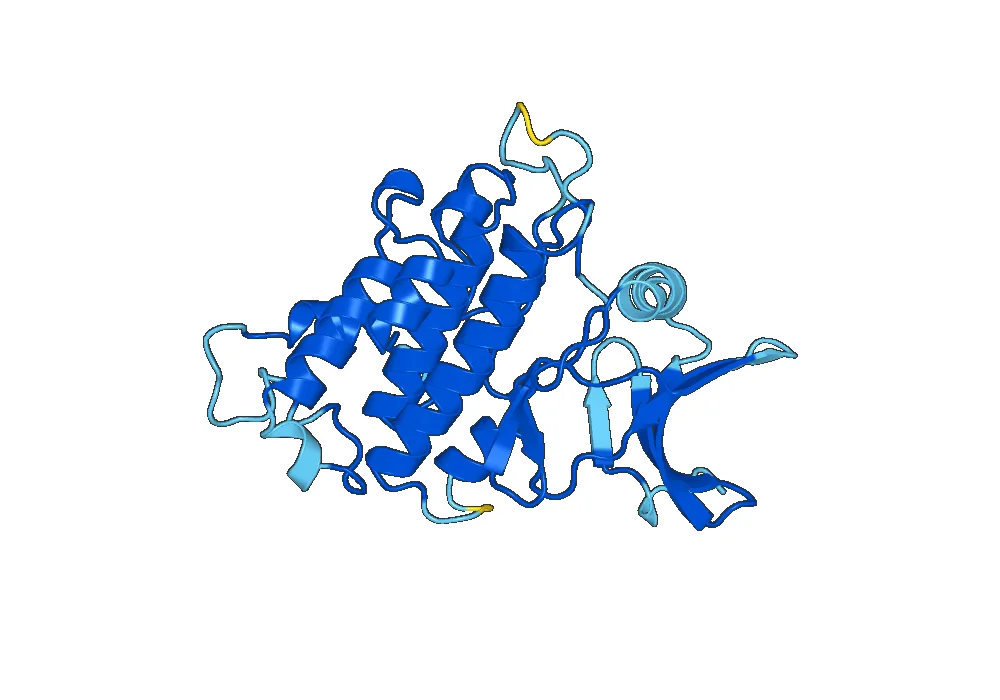
RRPRPK is a transmembrane protein that is composed of 1,087 amino acids. The protein consists of three main domains: the extracellular domain, the transmembrane domain, and the intracellular domain. The extracellular domain is responsible for binding to specific ligands, while the intracellular domain contains the catalytic site for protein kinase activity.
Activity of RRPRPK
RRPRPK belongs to the receptor-like protein kinase (RLK) family, which plays a crucial role in various signaling pathways in plants. The protein kinase activity of RRPRPK is activated upon binding to specific ligands, such as hormones or pathogen-derived molecules. This activation triggers a cascade of events that leads to the phosphorylation of downstream proteins, ultimately resulting in a cellular response.
One of the key functions of RRPRPK is its role in plant defense against pathogens. Upon recognition of pathogen-derived molecules, RRPRPK activates a defense response by phosphorylating downstream proteins involved in plant immunity. This makes RRPRPK an important component in developing disease-resistant crops.
In addition to its role in plant defense, RRPRPK also plays a crucial role in plant growth and development. Studies have shown that RRPRPK is involved in regulating various processes such as seed germination, root growth, and flowering. This highlights the potential of RRPRPK in improving crop yield and quality.
Applications of RRPRPK
The unique structure and activity of RRPRPK make it a promising candidate for various applications in agriculture and medicine.
In agriculture, RRPRPK has the potential to be used in the development of genetically modified (GM) crops with enhanced disease resistance. By introducing the gene for RRPRPK into crop plants, they can be equipped with a more effective defense mechanism against pathogens, reducing the need for chemical pesticides. This can lead to a more sustainable and environmentally friendly approach to crop protection.
Moreover, RRPRPK can also be utilized in plant breeding to introduce desirable traits, such as increased yield or stress tolerance, into crop plants. This can be achieved through genetic engineering techniques, where the gene for RRPRPK is inserted into the genome of the target plant.
In the field of medicine, RRPRPK has potential applications in the development of vaccines and therapeutics. The extracellular domain of RRPRPK can be used as an antigen to induce an immune response against specific diseases. This has been demonstrated in a study where the extracellular domain of RRPRPK was used as a vaccine against a viral pathogen in mice.
Furthermore, the protein kinase activity of RRPRPK can also be targeted for the development of therapeutic drugs. As RRPRPK is involved in various signaling pathways, it can be a potential target for the treatment of diseases such as cancer, where abnormal signaling is a hallmark.
Conclusion
In conclusion, Recombinant Rice Putative Receptor Protein Kinase is a promising protein with diverse applications in agriculture and medicine. Its unique structure and activity make it an important component in plant defense and growth, as well as a potential candidate for the development of vaccines and therapeutics. Further research and development in this field can lead to the utilization of RRPRPK for the benefit of society.
There are no reviews yet.