Introduction
Recombinant Mouse TGFB1, also known as TGF-beta-1, is a protein that plays a crucial role in various biological processes, including cell growth, differentiation, and immune response. It is a member of the transforming growth factor beta (TGF-beta) superfamily, which consists of a group of structurally related cytokines that regulate a wide range of cellular functions. In this article, we will discuss the structure, activity, and application of Recombinant Mouse TGFB1 protein.
Structure of Recombinant Mouse TGFB1
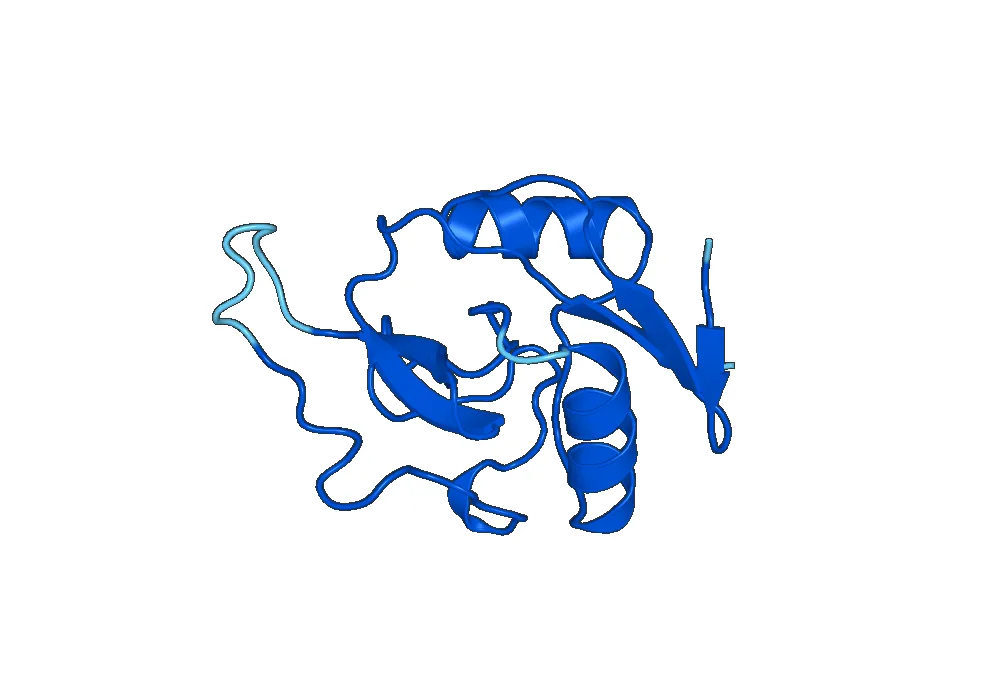
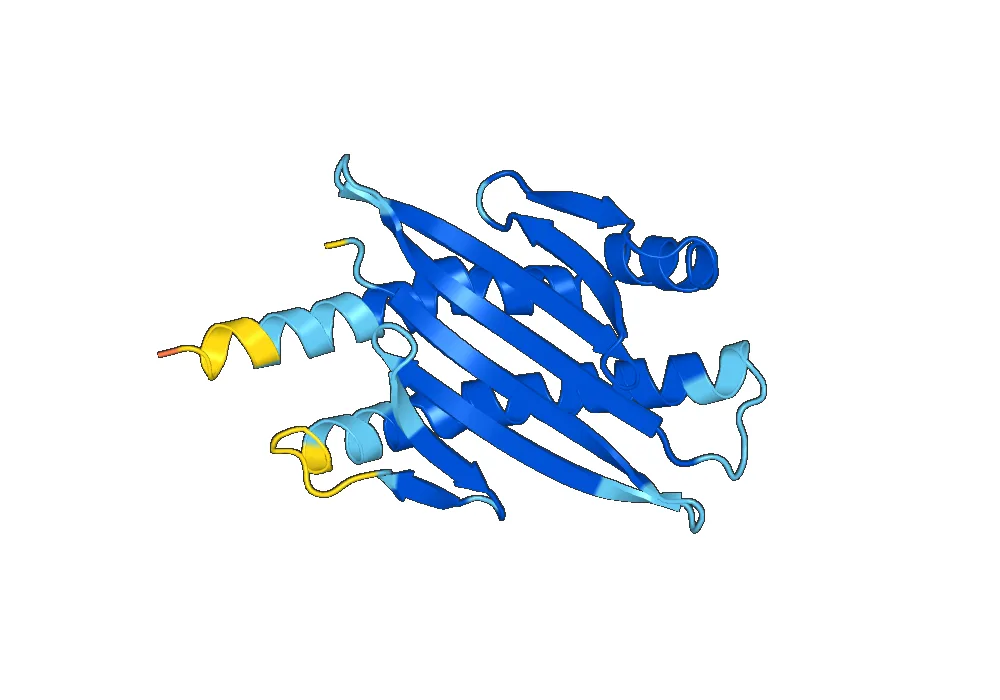
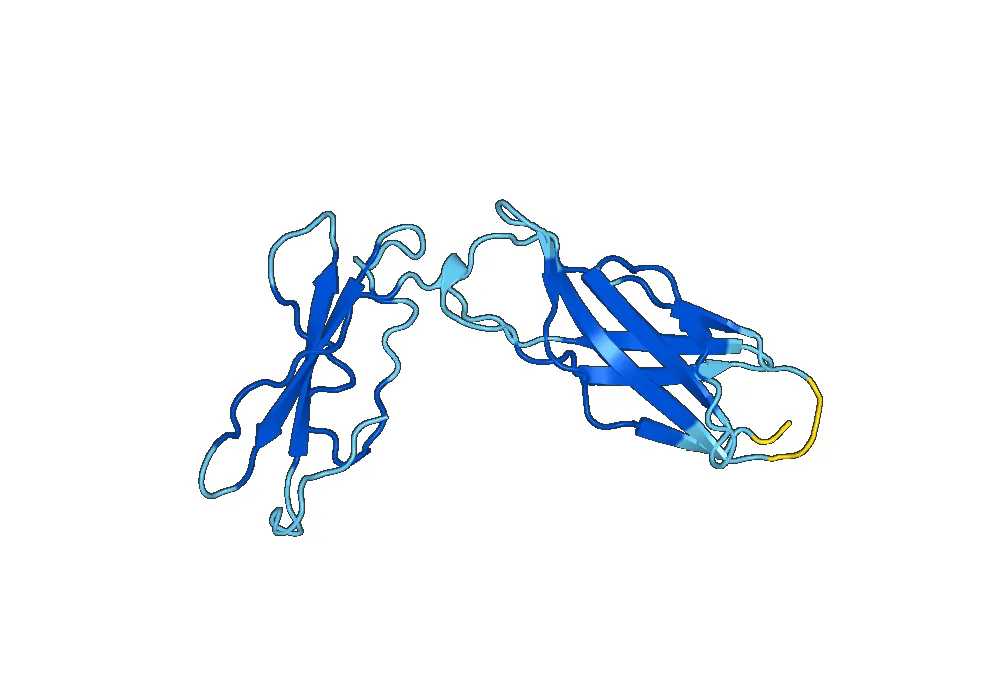
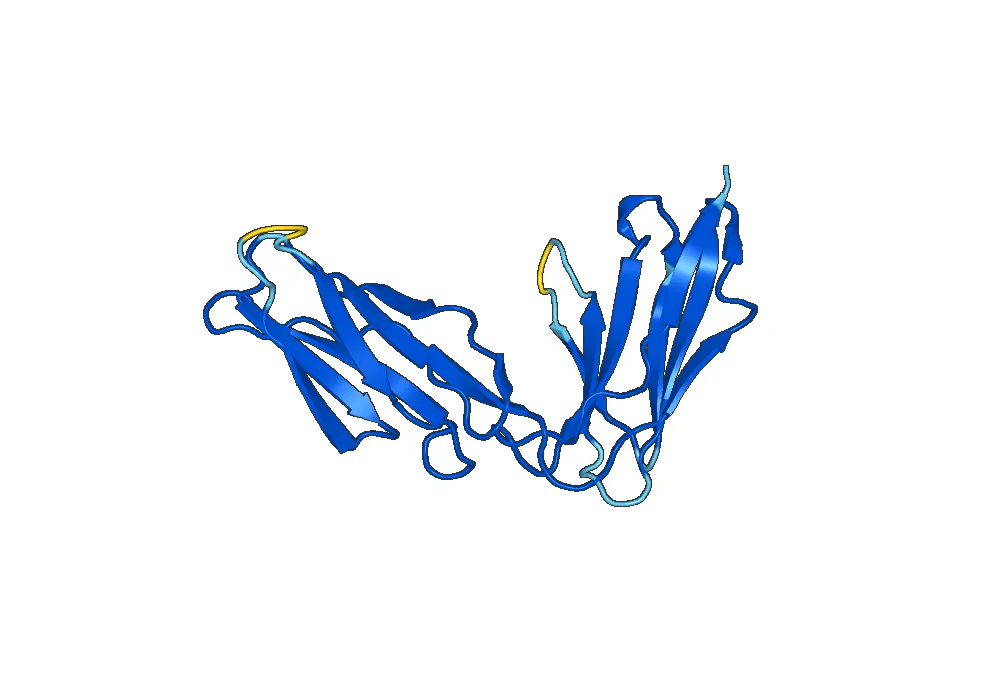
Recombinant Mouse TGFB1 protein is a homodimer, meaning it is composed of two identical subunits. Each subunit consists of 112 amino acids and has a molecular weight of approximately 12.5 kDa. The two subunits are held together by non-covalent bonds, forming a compact, globular structure. The protein also contains a signal peptide at the N-terminus, which is responsible for its secretion from cells.
Activity of Recombinant Mouse TGFB1
Recombinant Mouse TGFB1 protein is a multifunctional cytokine that exerts its effects by binding to specific cell surface receptors. It is produced by a variety of cell types, including immune cells, and acts on a wide range of cell types, including immune cells, fibroblasts, and epithelial cells. The primary function of Recombinant Mouse TGFB1 is to regulate cell growth and differentiation. It can either promote or inhibit cell proliferation, depending on the cell type and context. In addition, it plays a crucial role in tissue repair and wound healing by stimulating the production of extracellular matrix proteins.
One of the most well-known activities of Recombinant Mouse TGFB1 is its potent immunosuppressive effects. It can inhibit the proliferation and function of various immune cells, including T cells, B cells, and natural killer cells. This makes it a valuable tool in the treatment of autoimmune diseases and in preventing organ rejection after transplantation.
Application of Recombinant Mouse TGFB1
Recombinant Mouse TGFB1 protein has a wide range of applications in both research and therapeutic settings. In research, it is commonly used to study the role of TGF-beta signaling in various biological processes. It can also be used to induce differentiation of stem cells into specific cell types, such as neurons or bone cells.
In the therapeutic setting, Recombinant Mouse TGFB1 has shown promising results in the treatment of various diseases. It has been used in clinical trials for the treatment of conditions such as cancer, fibrosis, and autoimmune diseases. In cancer treatment, it has been shown to inhibit tumor growth and metastasis by suppressing the immune response and promoting the formation of a tumor microenvironment that is unfavorable for tumor growth.
Another potential therapeutic application of Recombinant Mouse TGFB1 is in tissue engineering. Its ability to stimulate the production of extracellular matrix proteins makes it a valuable tool for promoting tissue repair and regeneration. It has been used in pre-clinical studies for the treatment of skin wounds, bone defects, and cartilage injuries.
Conclusion
Recombinant Mouse TGFB1 is a crucial protein in regulating various biological processes, including cell growth, differentiation, and immune response. Its structure, activity, and wide range of applications make it a valuable tool in both research and therapeutic settings. As our understanding of TGF-beta signaling continues to improve, the potential for Recombinant Mouse TGFB1 in disease treatment and tissue engineering will only continue to grow.

There are no reviews yet.