Introduction to Recombinant Mouse Gal1/LGALS1 Protein
Recombinant Mouse Gal1/LGALS1 Protein, also known as galectin-1, is a member of the galectin family of proteins. It is a 14-kDa protein that is encoded by the LGALS1 gene in mice. This protein is involved in various biological processes, including cell adhesion, cell proliferation, and apoptosis. Recombinant Mouse Gal1/LGALS1 Protein is widely used in research and has potential applications in the development of therapeutics for various diseases.
Structure of Recombinant Mouse Gal1/LGALS1 Protein
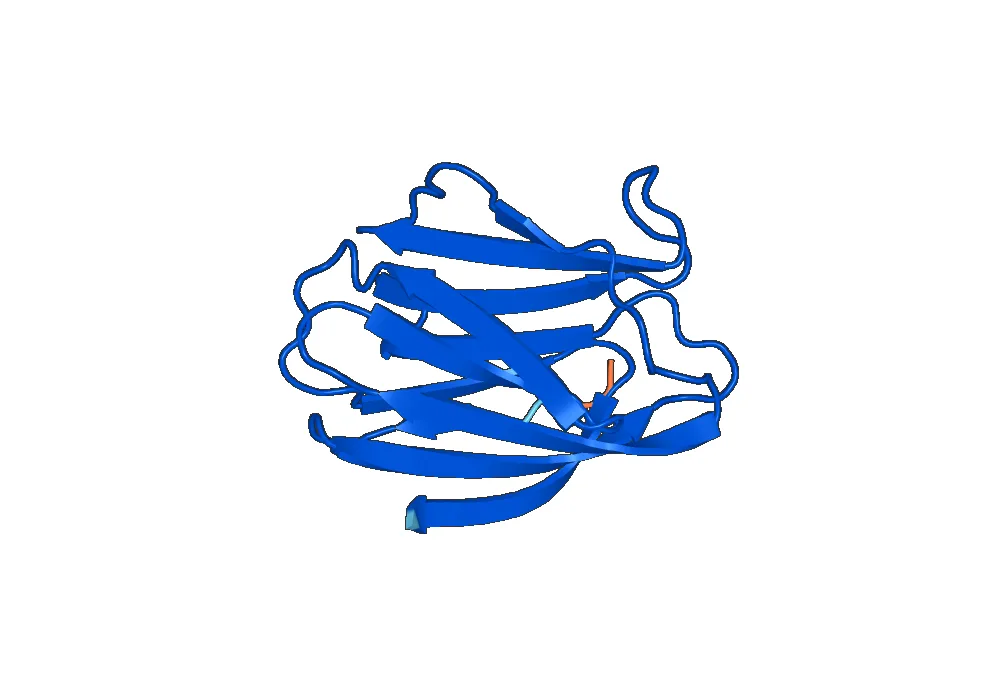
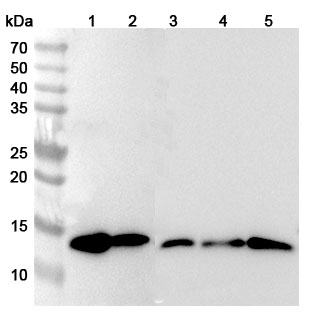
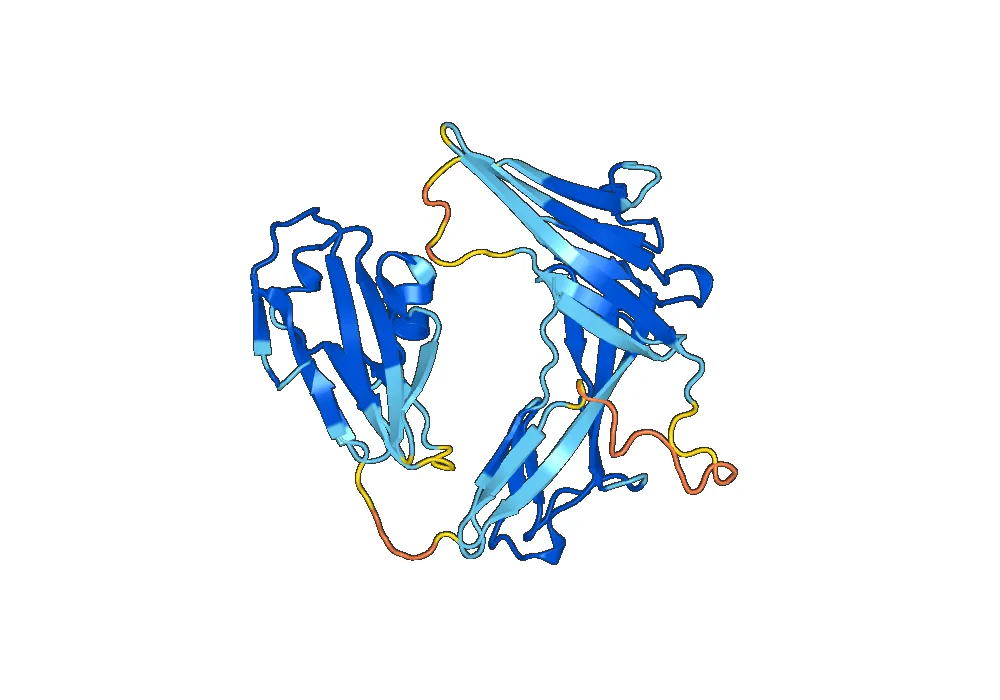
Recombinant Mouse Gal1/LGALS1 Protein is composed of 135 amino acids and has a molecular weight of approximately 14 kDa. It has a conserved carbohydrate recognition domain (CRD) that is responsible for its binding to glycan structures on the surface of cells and extracellular matrix proteins. The CRD of Recombinant Mouse Gal1/LGALS1 Protein is made up of two subdomains, each containing a beta-sandwich structure. This unique structure allows the protein to bind to a variety of glycan structures, making it a versatile protein with multiple functions.
Activity of Recombinant Mouse Gal1/LGALS1 Protein
Recombinant Mouse Gal1/LGALS1 Protein has been shown to play a role in various biological processes. It is involved in cell adhesion, where it can bind to glycan structures on the surface of cells and promote cell-cell interactions. This protein also has anti-inflammatory properties, as it can inhibit the production of pro-inflammatory cytokines and chemokines. In addition, Recombinant Mouse Gal1/LGALS1 Protein has been shown to induce cell death in certain types of cancer cells, making it a potential therapeutic target for cancer treatment.
Application of Recombinant Mouse Gal1/LGALS1 Protein
Recombinant Mouse Gal1/LGALS1 Protein has a wide range of applications in research and potential therapeutic applications. One of its main uses is in the study of cell adhesion and migration. Its ability to bind to glycan structures on the surface of cells makes it a valuable tool for studying cell-cell interactions and cell migration. This protein is also used in cancer research, as it has been shown to have anti-tumor effects in various types of cancer cells.
In addition, Recombinant Mouse Gal1/LGALS1 Protein has potential therapeutic applications. It has been studied as a potential treatment for autoimmune diseases, such as multiple sclerosis, as its anti-inflammatory properties can help reduce inflammation in the central nervous system. This protein has also been investigated as a potential treatment for cancer, either as a standalone therapy or in combination with other treatments. Its ability to induce cell death in cancer cells makes it a promising candidate for cancer therapy.
Conclusion
In summary, Recombinant Mouse Gal1/LGALS1 Protein is a 14-kDa protein with a unique structure and multiple functions. It is involved in cell adhesion, cell proliferation, and apoptosis, and has potential therapeutic applications in various diseases. Its ability to bind to glycan structures on the surface of cells makes it a valuable tool for studying cell adhesion and migration, and its anti-inflammatory and anti-tumor effects make it a potential treatment for autoimmune diseases and cancer. Further research on this protein may lead to the development of novel therapies for various diseases.


There are no reviews yet.